News coverage in conflict zones, natural disasters, or violent protests exposes journalists to extreme physical and psychological risks. Stress from tight deadlines, travel on dangerous roads, and mental fatigue are factors that increase workplace accidents in this profession. 3D technology offers tools that allow anticipating these dangers through the creation of virtual training environments and predictive alert systems.
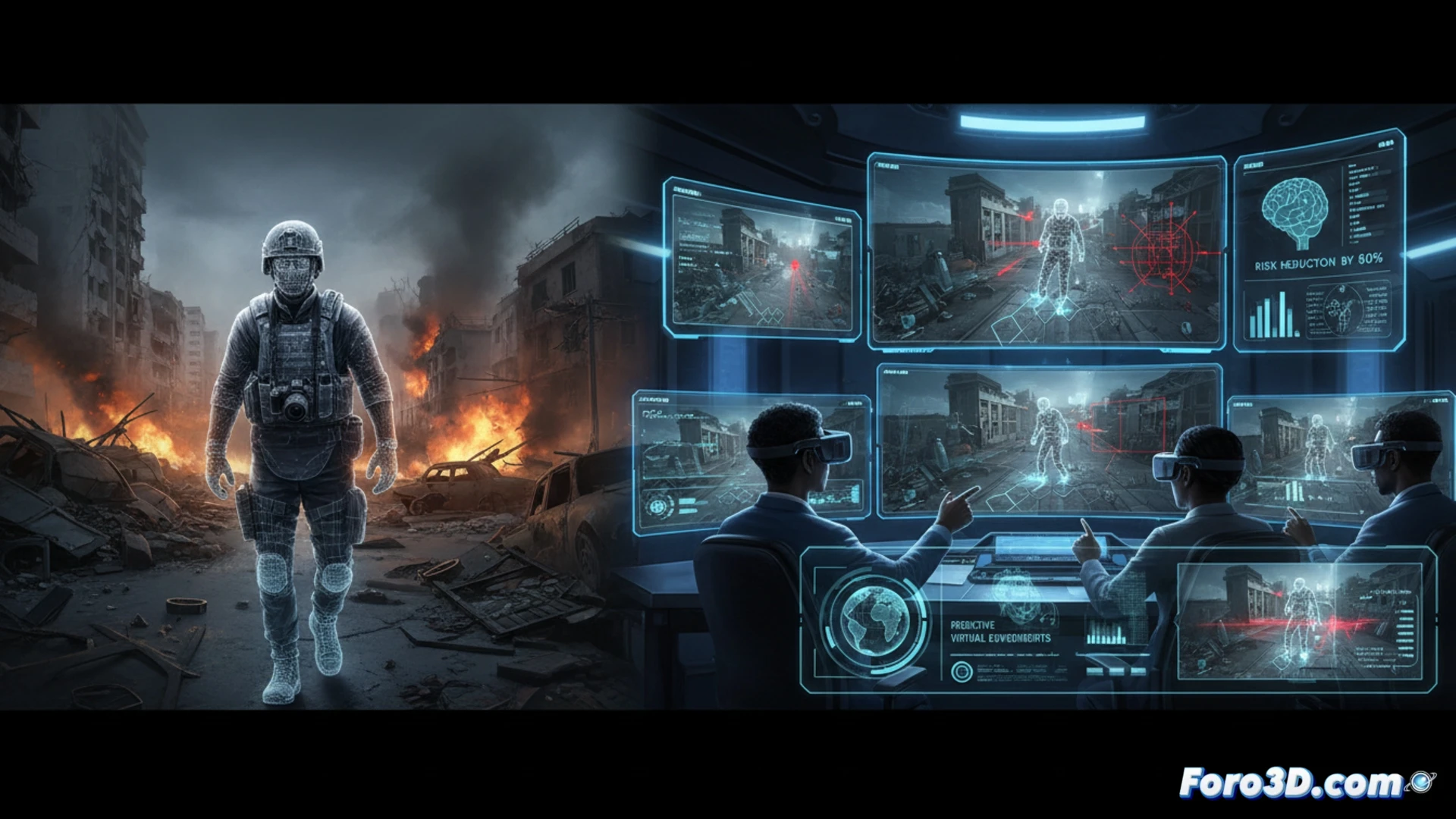
3D simulation of risk scenarios and digital twins of terrain 🛡️
The implementation of digital twins of conflict zones allows newsroom teams to visualize safe routes before a real deployment. By integrating satellite data, incident heat maps, and artificial intelligence models, alternative trajectories can be simulated to avoid ambushes or collapse areas. Likewise, virtual reality headsets allow training journalists in managing panic under crossfire or in the rapid evacuation of a collapsed building, reducing the impact of post-traumatic stress and improving real-time decision-making.
Towards proactive protection through predictive models 🚀
The next step is to integrate early warning systems based on the analysis of historical patterns of violence or disasters. A 3D predictive model could warn the journalist about an imminent increase in hostility at a protest or the likelihood of a landslide on a road. This technology does not replace human judgment, but it offers an additional layer of security that transforms risk coverage from reactive to preventive, protecting the mental and physical health of a group essential for democracy.
How would you simulate risk scenarios for groups with legal protection? 🤔