Orderlies face a daily lethal combination of physical overexertion, aggression, and biological stress. 3D technology offers concrete solutions: haptic simulations for patient mobilization on stretchers, digital twins that identify critical floors in emergency rooms, and virtual reality environments that train conflict de-escalation. This article analyzes how these tools can reduce accident rates in a vulnerable group.
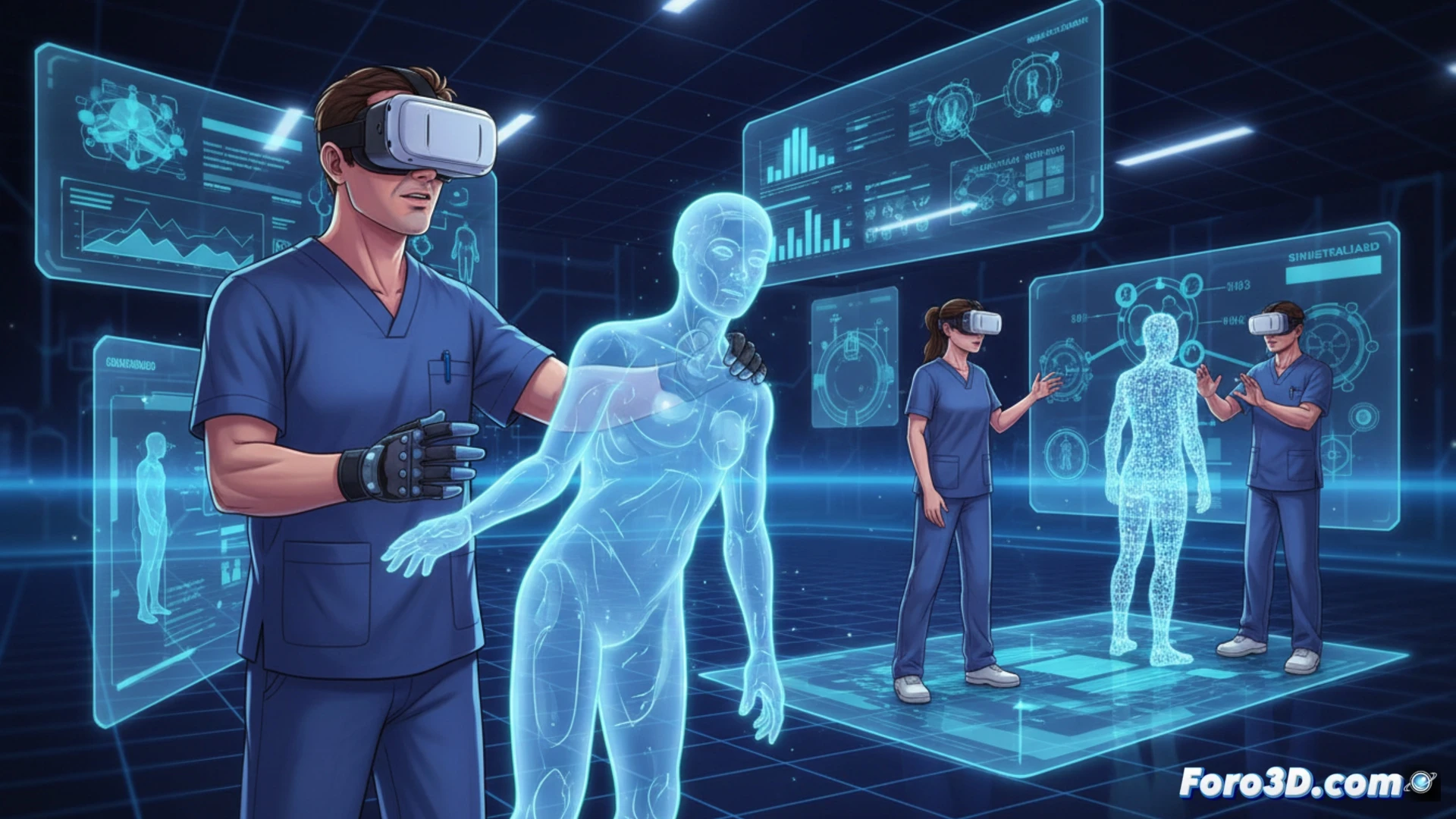
3D Simulation for Biomechanics and Aggression Prevention 🛡️
Immersive training allows the orderly to practice transferring a patient from a wheelchair to a bed without the risk of real injury. The hospital's digital twins calculate optimal routes to avoid slippery floors in pharmacy or kitchen areas. For aggression, virtual reality recreates high-tension scenarios with relatives or disoriented patients, where the worker learns de-escalation protocols without being exposed to danger. These platforms also record biomechanical data to correct forced postures before they generate chronic injuries.
Can a Digital Twin Alleviate Shift Stress? 🧠
Beyond physical safety, 3D technology allows modeling the workload. A digital twin of the ambulance area can predict activity peaks and redistribute tasks to avoid collisions or saturation. Simulation of night shifts in VR helps orderlies practice self-care techniques and sleep management. By integrating physiological data, these systems offer early fatigue warnings, turning the virtual environment into an ally against the emotional and physical wear and tear of the group.
How can a digital twin train orderlies in managing aggression and physical overexertion without replicating the real trauma of the vulnerable group they care for?
(PS: the 28 affected soldiers are like 28 polygons with inverted normals: they shouldn't be like that)