The fraudulent minting of currency, a classic crime of counterfeiting, has found a new field of action in the digital era. 3D scanning and printing technology allows for high-fidelity replication of coins, banknotes, and tokenized digital assets. This article analyzes how intellectual property laws and digital compliance must evolve to protect the authenticity of 3D models, using digital twins as a forensic verification tool.
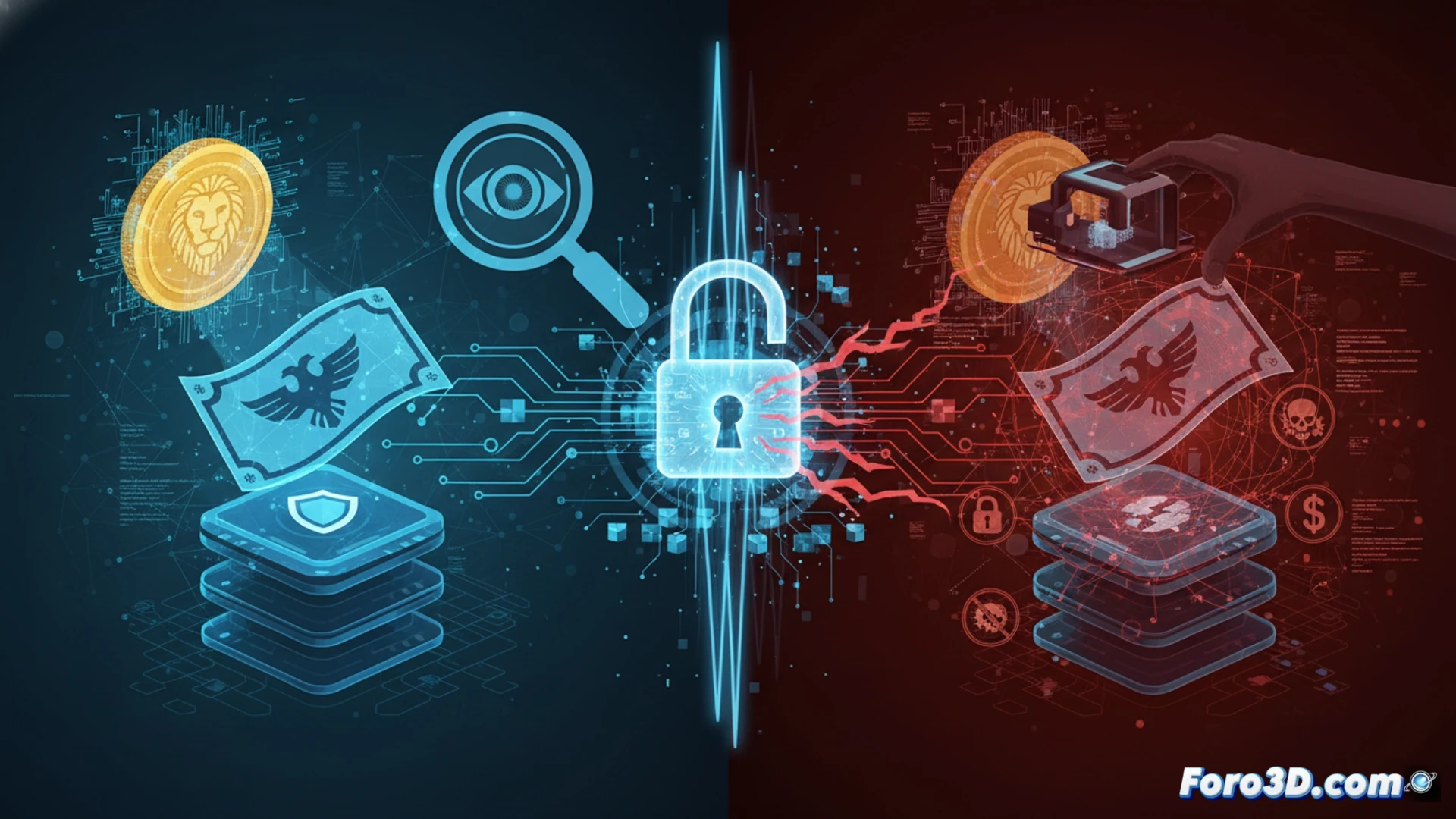
3D Scanning and Counterfeiting: The Challenge of Authenticity Verification 🔍
The modern counterfeiting process begins with a high-resolution 3D scan of a legitimate coin or banknote. The resulting digital file can be modified or directly printed using resins and metals that mimic the original physical properties. To combat this, security companies and mints are implementing digital twins: unique, immutable virtual representations of each asset. These twins are stored on private blockchains or distributed ledger systems, allowing any print or minting to be cross-referenced against the original. Intellectual property legislation must recognize these files as protected works, and digital compliance requires traceability audits to detect deviations in the production chain.
Digital Compliance: The New Frontier Against Counterfeiting 🛡️
The detection of counterfeits no longer relies solely on the human eye or the weight of the coin. Digital compliance systems integrate 3D mesh comparison algorithms and microtexture analysis. If a fraudulent 3D model appears in a public repository, forensic tools can trace its origin through digital watermarks embedded in the design. Intellectual property protection in this context requires that 3D model creators register their files as industrial property, and that exchange platforms implement mandatory verification filters. Fraudulent minting is, today, a compliance problem as much as a criminal law one.
How can a digital twin of a coin serve as proof of authenticity in a compliance process, differentiating a legitimate minting from a fraudulent 3D counterfeit?
(PS: Thaler wanted his machine to be an author, I just want my 3D printer not to jam at 3am)