Viticulture is a sector where tradition meets daily danger. Workers face a lethal combination of chemical exposure, heavy machinery, and repetitive physical strain. This analysis explores how 3D technology, from posture simulations to digital twins of vineyards, can transform accident prevention and ensure the protection of this vulnerable group.
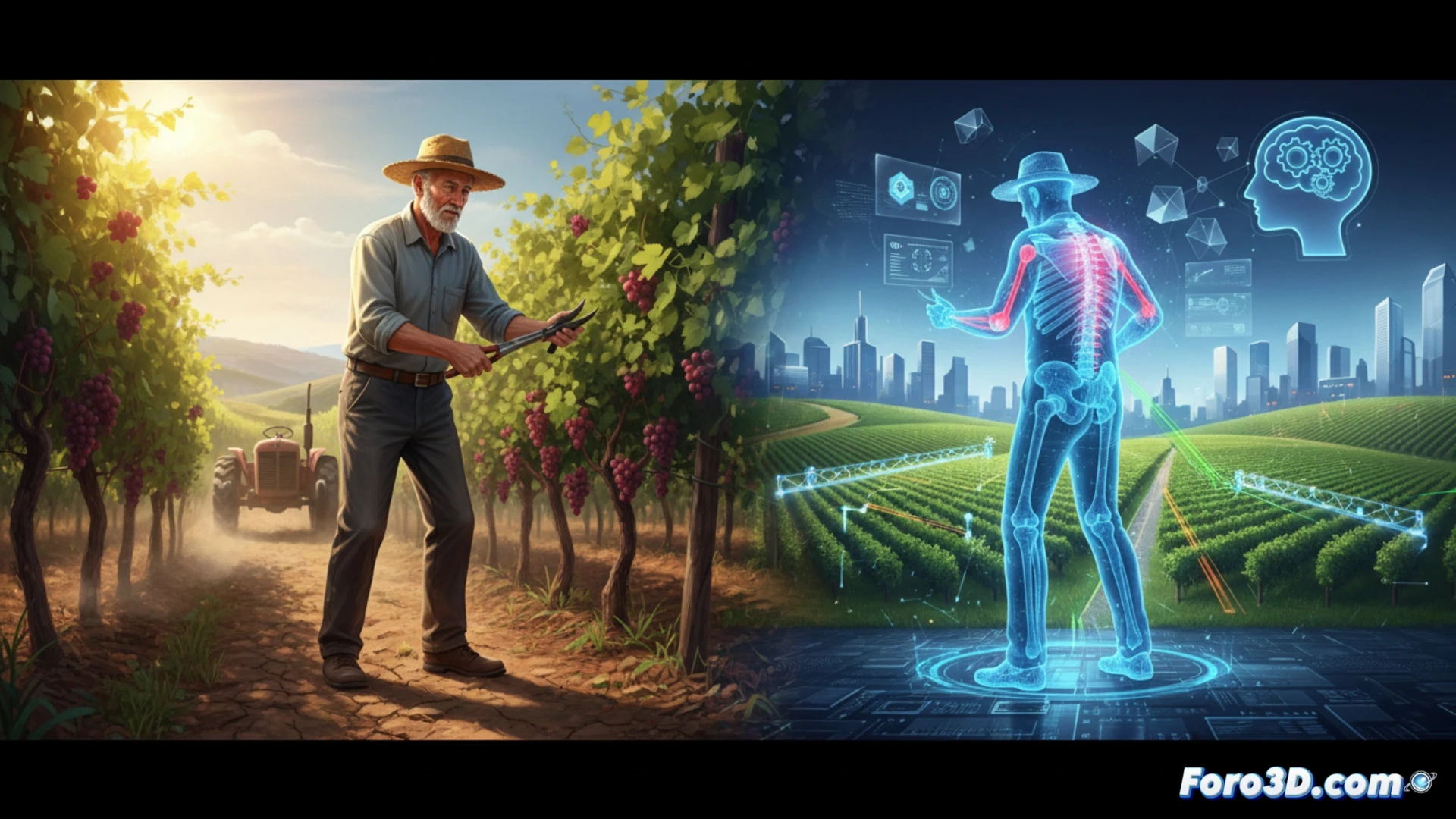
3D posture simulation and terrain modeling for prevention 🍇
Handling tractors and sprayers on steep slopes requires precise analysis of the center of gravity. Through 3D terrain modeling, we can predict rollover zones and design safe routes. Additionally, ergonomic simulation of pruning identifies critical angles that cause repetitive strain in wrists and shoulders. By generating digital twins of the vineyard, it is possible to program visual alerts that indicate to the operator when to adjust their posture or stop pesticide exposure, reducing cuts and falls from ladders.
Towards data-protected agriculture and regulatory compliance 🛡️
3D technology not only prevents accidents but also acts as a digital witness of legal compliance. A verification system based on digital twins can record whether a viticulturist used the appropriate protective equipment during fumigation. By integrating this data into platforms for protecting vulnerable groups, we transform occupational safety from an abstract obligation into a measurable and visual process, safeguarding the health of those who cultivate our vineyards.
How can a digital twin integrate real-time biometric data from the viticulturist to anticipate and mitigate risks arising from exposure to phytosanitary products and extreme climatic conditions in the vineyard?
(PS: verifying status is like leveling the bed: if you don't do it right, the first layer (and rights) fail)