The field work of the geophysicist in isolated areas involves a cascade of hazards: falls on uneven terrain, hypothermia, dehydration, sun exposure, and the use of controlled explosives. Classic prevention relies on protocols and PPE, but 3D technology offers a qualitative leap. We analyze how terrain simulation and detonation modeling allow these scenarios to be anticipated before setting foot on the actual ground.
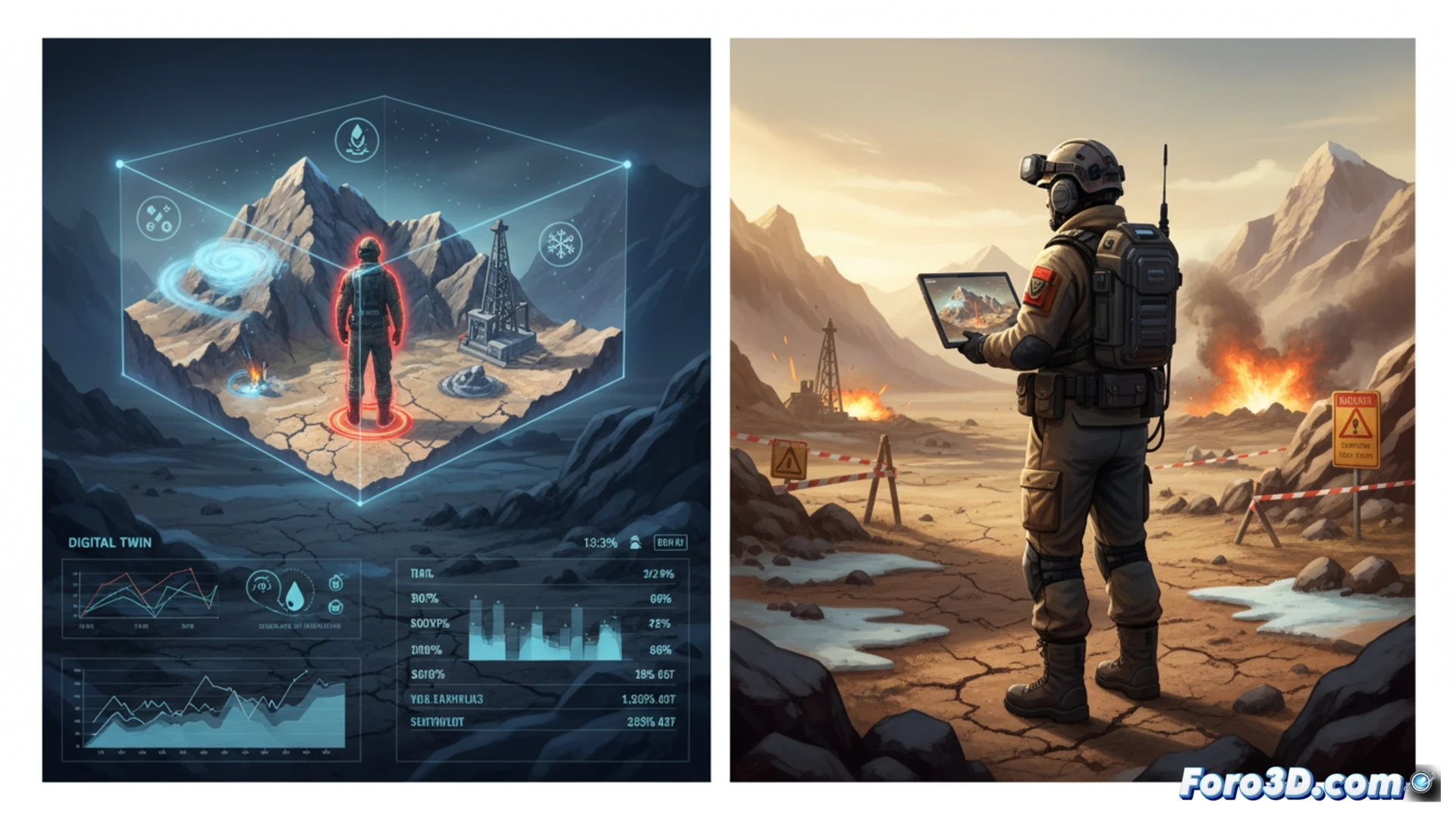
3D terrain modeling and simulation of controlled detonations 🧨
The creation of digital twins of the study area allows for virtually recreating the topography, identifying safe routes and fall risk points before deployment. For explosive management, 3D modeling of the shockwave and terrain fragmentation enables adjusting loads and safety perimeters without physical trials. Additionally, simulating extreme weather conditions within the digital twin helps anticipate episodes of hypothermia or dehydration, optimizing work windows and scheduled hydration breaks. The visualization of evacuation routes in 3D, integrating satellite data and sensors, turns the hostile environment into a predictable and manageable space.
The frontier between simulation and survival 🧊
3D technology does not replace the geophysicist's expertise, but it redefines the concept of prevention. By turning each risk into a quantifiable variable within a virtual model, the uncertainty of the isolated terrain is transformed into processable data. The real breakthrough lies not in graphic realism, but in the ability to fail virtually in order not to fail in reality. In a profession where a detonation error or a miscalculated route can be fatal, 3D simulation becomes the most precise survival tool available.
As a field geophysicist in isolated areas, how can a digital twin not only predict the terrain but also provide real-time alerts about the risk of hypothermia or dehydration during the expedition?
(PS: Simulating disasters is fun until the computer crashes and you are the disaster.)