The figure of the personal assistant operates in a blind spot of occupational prevention. Their risks, ranging from stress due to managing multiple deadlines to forced postures in portable environments, often fall outside traditional analyses. This article explores how 3D simulation and verification systems can close this protection gap for a group especially vulnerable to anxiety, fatigue, and verbal aggression.
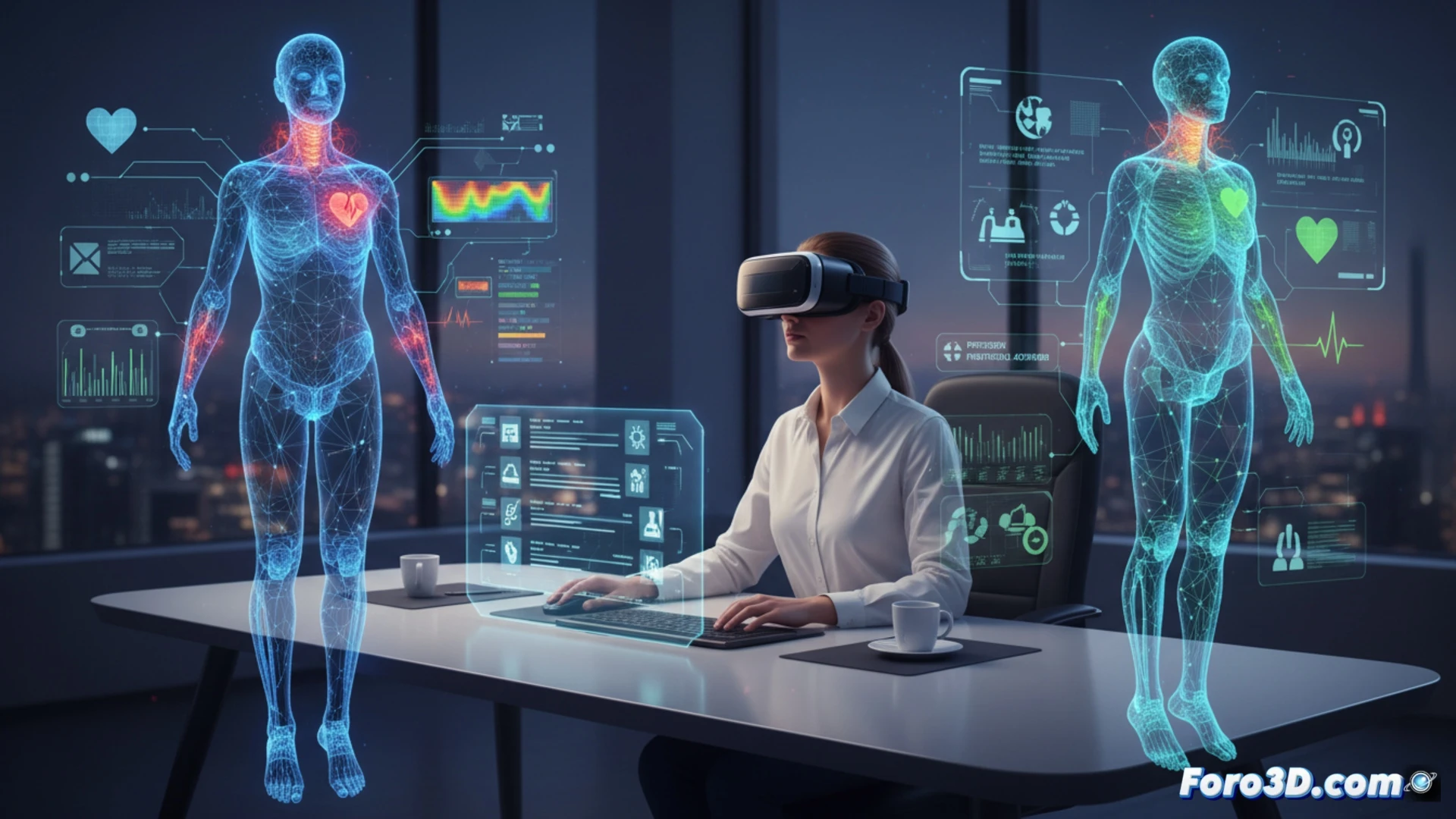
Ergonomic simulation and modeling of portable environments 🖥️
Digital twin technology allows for precise recreation of the assistant's nomadic workstation. Through 3D modeling of forced postures in front of portable screens and simulation of vehicle journeys, it is possible to identify critical points of musculoskeletal disorders and visual fatigue before they become chronic. Furthermore, verification systems integrated into these models can monitor schedule irregularity and the volume of simultaneous tasks, alerting about peaks of mental overexertion that lead to anxiety and chronic stress.
Towards an emotional and schedule compliance dashboard 📊
The key lies in transforming reactive prevention into a proactive system. A regulatory compliance dashboard, fed by sensors and 3D simulation data, could record travel, rest times, and the frequency of conflicting interactions with the employer. This tool would not only document verbal aggression but also allow for the design of immediate response protocols, ensuring that the protection of this vulnerable group depends not on goodwill, but on technical evidence.
How can a digital twin anticipate and mitigate the chronic stress of the personal assistant without generating a data overload that increases their anxiety due to constant monitoring?
(PS: protecting military personnel is like protecting your Blender file: back it up or cry later) 🛡️