Scientists at the University of Alberta have developed mixed reality glasses that help people with hemianopsia, a common loss of peripheral vision after a stroke. The system captures the part of the scene that the patient does not see and projects it in miniature within their intact visual field, reducing collisions with obstacles.
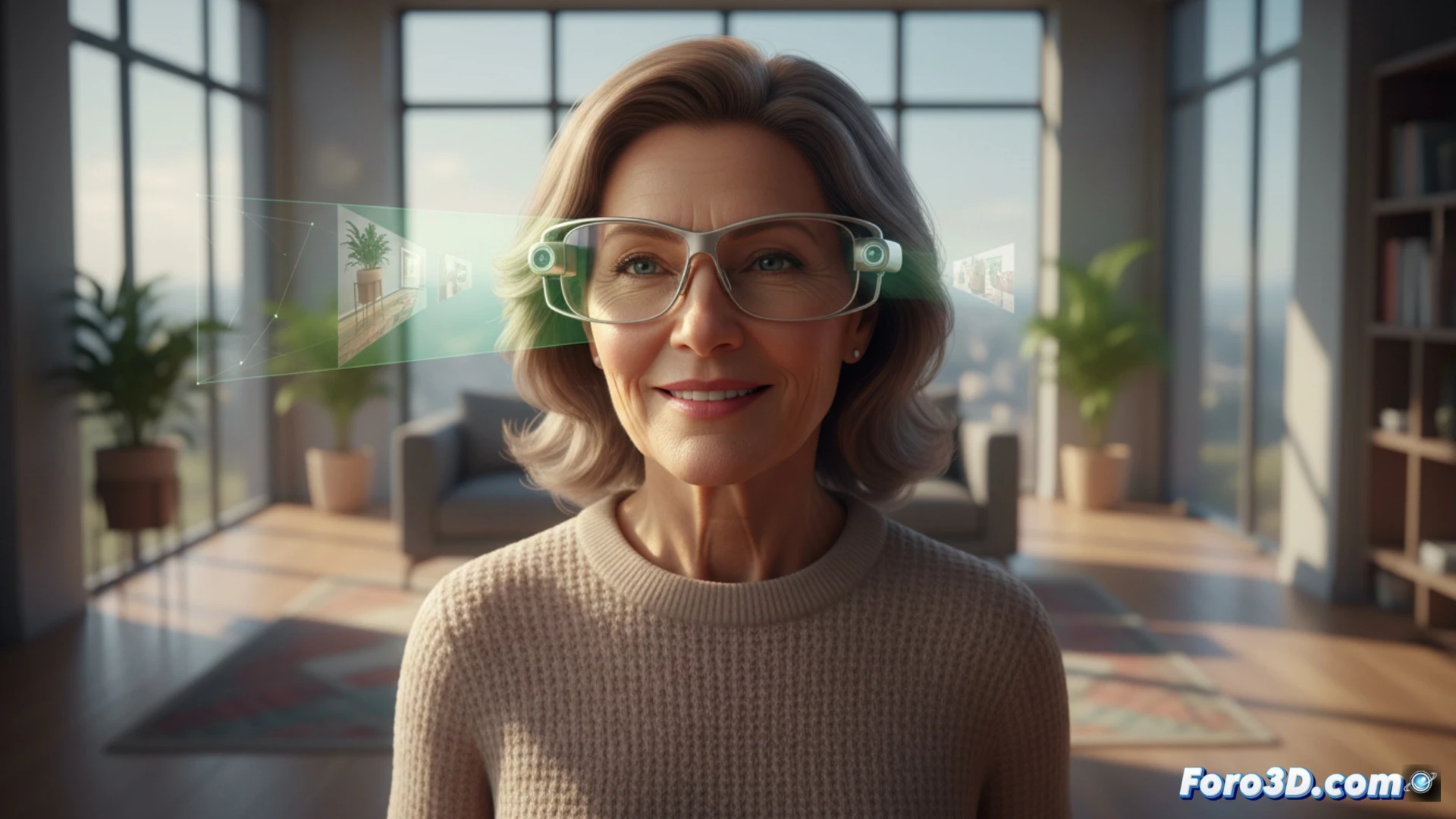
HoloLens 2 to the rescue of the lost visual field 🥽
The technology is based on Microsoft's HoloLens 2. The glasses process in real time the environment that the user does not perceive and redirect it as a small window superimposed on their healthy vision. In tests, patients showed fewer difficulties avoiding objects and navigating around furniture. The system does not restore vision, but rather trains the brain to pay attention to blind spots, offering an almost complete perception of the environment.
It's not magic, it's that now you see on both sides 🧠
Finally, a technology that doesn't require you to turn around like an owl to know what's happening beside you. Of course, now patients have a new problem: getting used to a floating little window constantly reminding them that there is a world beyond their nose. The next step, according to the researchers, is for the glasses to also alert when someone approaches stealthily to pick your pocket. Now that would be useful. 😂