The Ray-Ban Meta, which integrate artificial intelligence and a hidden camera, have become the most controversial gadget of the year. Their design, identical to conventional sunglasses, allows video recording without raising suspicion. A recent case in London, where a manfluencer recorded a woman without her consent and then demanded money to delete the material, has set off all alarms about the limits of wearable technology and the right to privacy in public spaces.
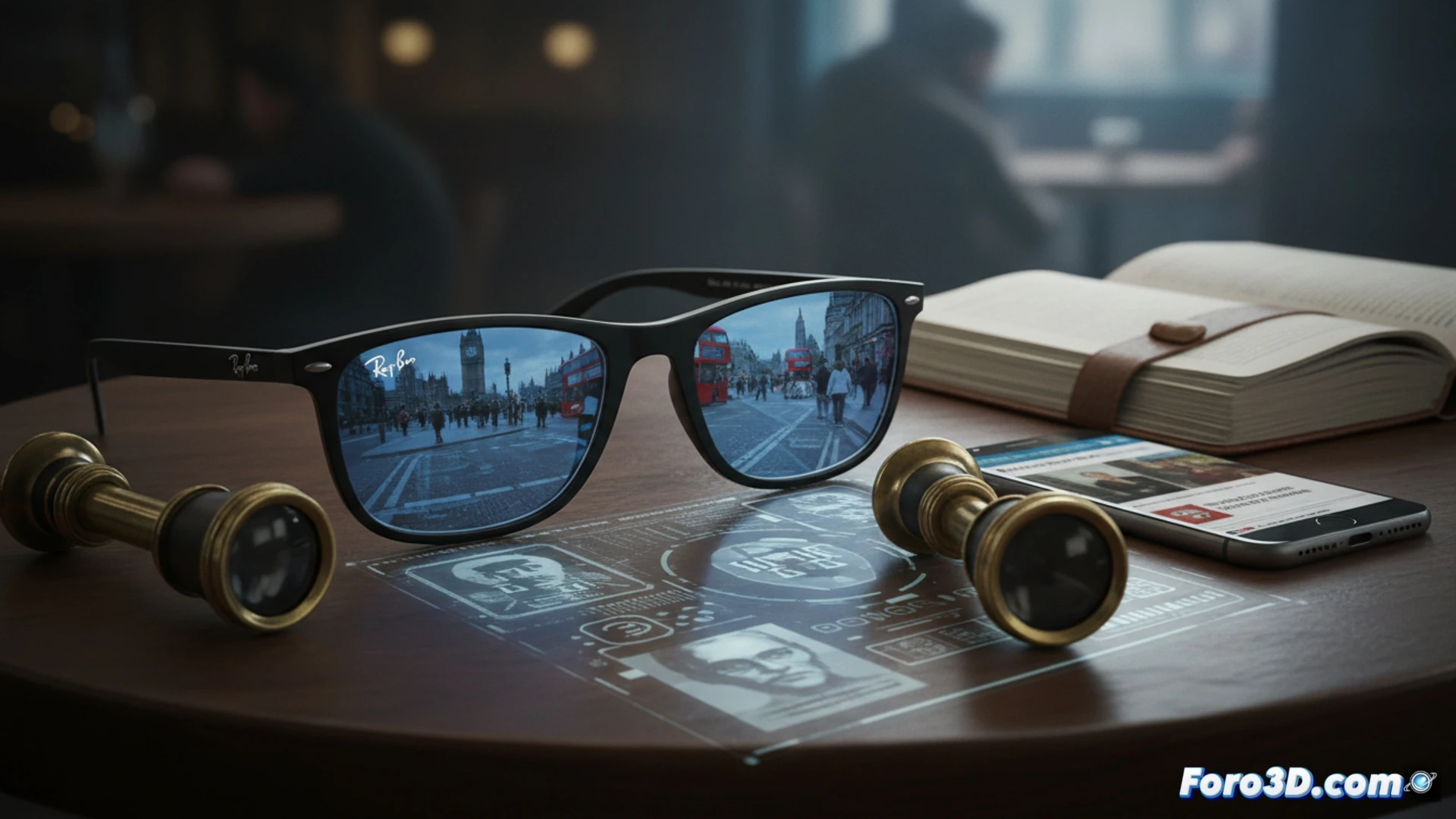
The technical dilemma of the LED indicator and hardware modification 🕵️
The main security issue with these devices lies in the tiny LED that, according to the manufacturer, must light up to indicate the camera is active. However, the hacker community has already documented methods to disable or cover this indicator, nullifying the only visual warning for the person being recorded. In Barcelona, a man was arrested after recording hundreds of women with similar glasses, without any of them detecting the LED. This design flaw, combined with the glasses' ability to stream live without a visible phone, turns any passerby into a potential target for non-consensual recording. TikTok's response, which removed the viral video only after a report for explicit harassment, highlights the slowness of platforms in addressing this new form of digital aggression.
Ban or shared responsibility? ⚖️
Technology advances faster than laws. While some countries debate banning the use of these glasses in certain spaces, responsibility falls on manufacturers and social networks. Meta must tighten hardware security measures, making the LED impossible to bypass. Platforms, for their part, need algorithms capable of automatically detecting and removing content recorded without permission. For the user, the golden rule remains the same: if the device is not visible, trust is broken. In the era of wearable AI, privacy is no longer just a right, but a technological battlefield we must regulate before it's too late.
How can lawmakers and tech companies balance innovation in AI glasses with the fundamental right to privacy in public spaces without falling into inadvertent mass surveillance?
(PS: the Streisand effect in action: the more you ban it, the more they use it, like microslop)