Muammar Gaddafi transitioned from being an energy partner for Europe to becoming a NATO military target. His relations with the United States went from direct confrontation in the 1980s to disarmament agreements in the 2000s. This diplomatic back-and-forth demonstrates that international alliances are volatile and respond to changing interests, not fixed principles.
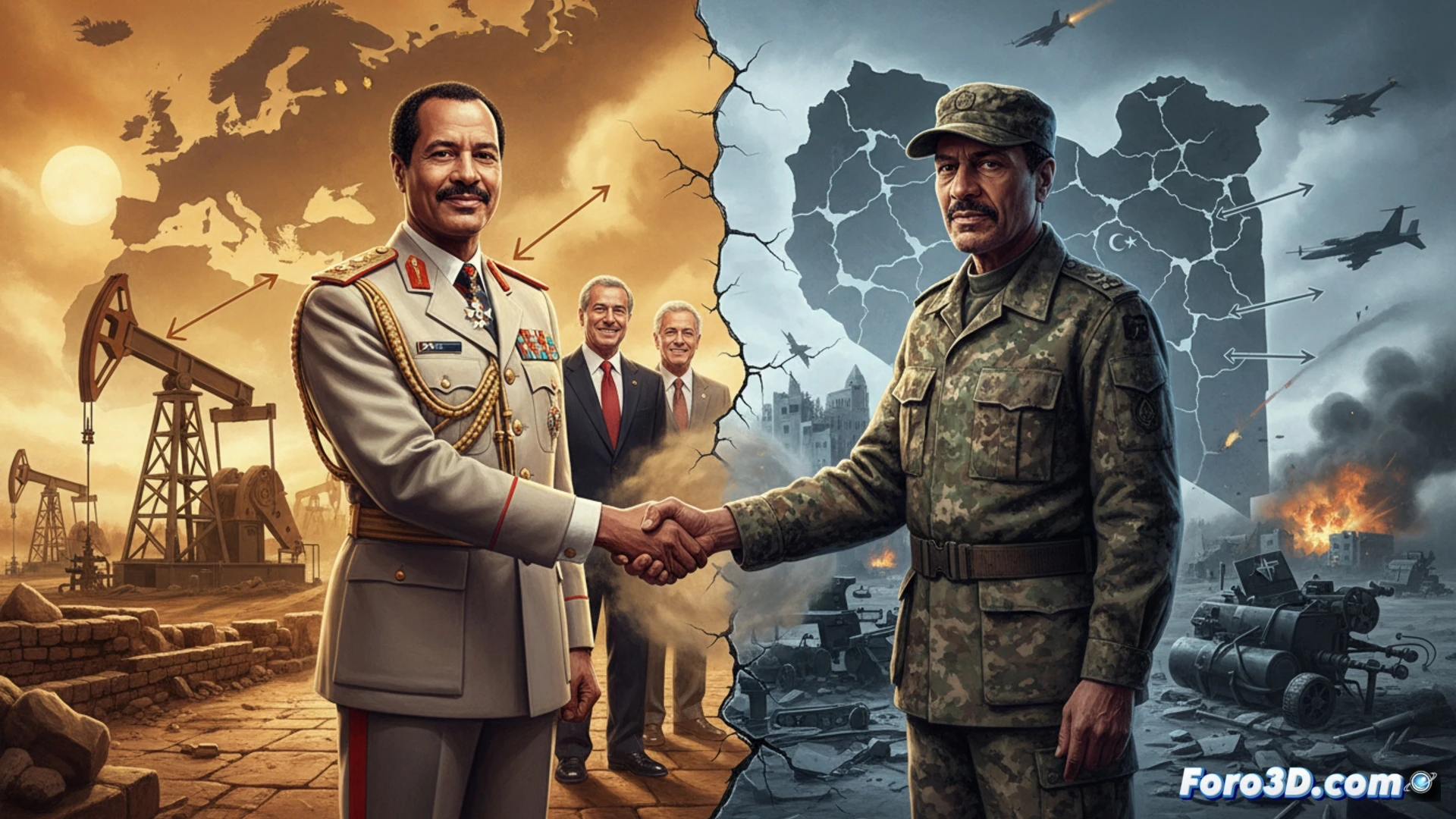
Oil, weapons, and surveillance technology 🛢️
During his period of openness, Gaddafi acquired European communication systems and security equipment to modernize his regime. Western companies sold telephone interception technology and border control software. However, after the 2011 revolution, NATO used drones and surveillance satellites to locate his convoys. The same technical infrastructure that protected the Libyan leader was used to overthrow him.
The friend who sells you the drone that bombs you 🚁
Gaddafi believed that buying European military technology guaranteed loyalty. A miscalculation. When the civil war broke out, missile and drone manufacturers already had new clients: the rebels. If the colonel had asked before signing the check, he might have demanded a no-use against the buyer clause. But in arms sales, the after-sales warranty does not include the customer's survival.