The veneration that a political party professes for its founding fathers bears a remarkable resemblance to the cult of sacred origins in a sect. Dogmas are repeated, texts are canonized, and unwavering loyalty is demanded to figures who, like mythological deities, are rarely subjected to critical scrutiny. This phenomenon transcends ideologies and reveals a human need to anchor political faith in an untouchable past.
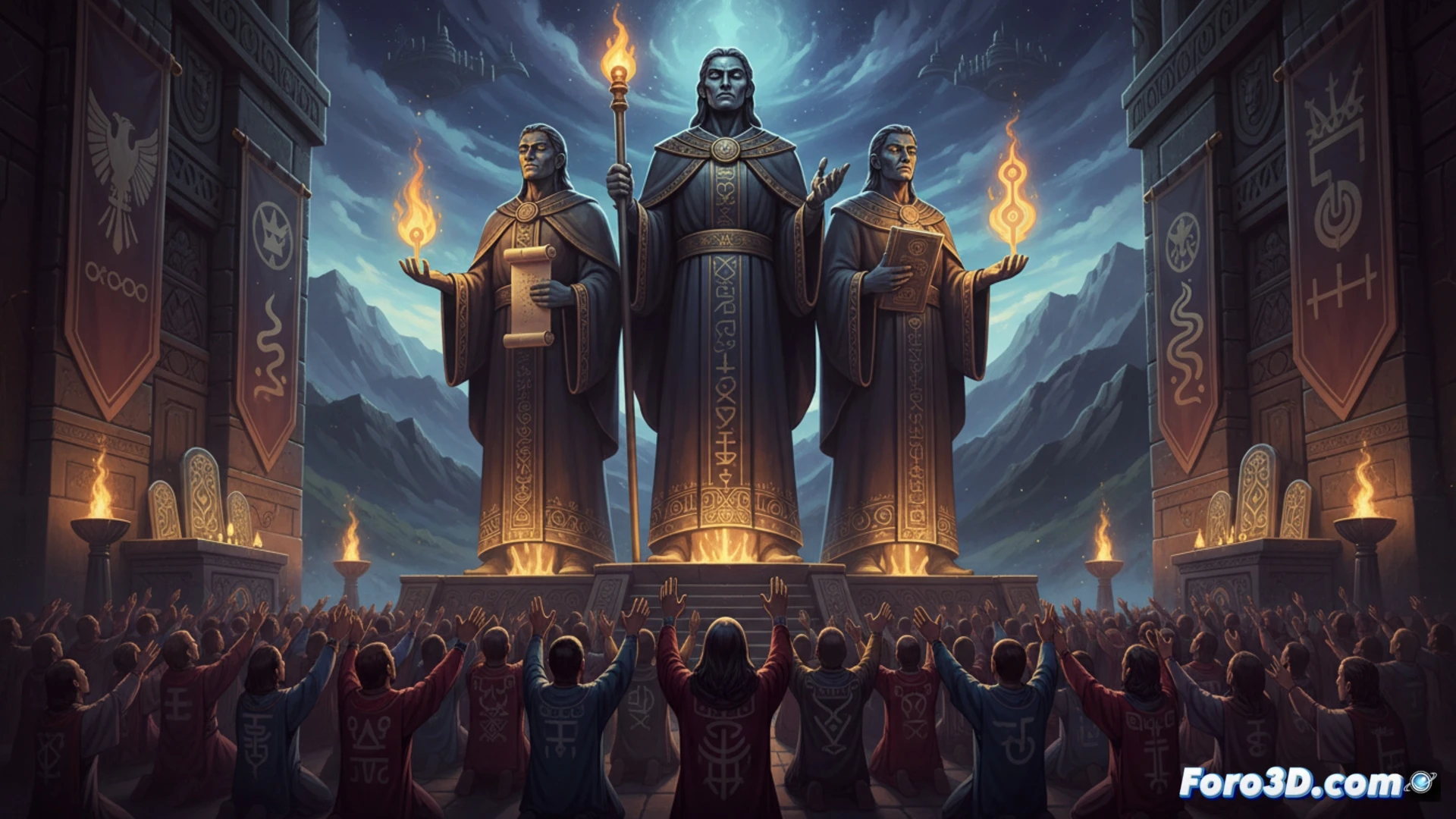
The Algorithm of Faith: How Technology Replicates Partisan Dogma 🤖
Digital platforms have perfected this mechanism of veneration. Recommendation algorithms create echo chambers where any criticism of the party's founding figures is filtered out or silenced. A poorly configured moderation system can act as a digital inquisitor, eliminating dissenting opinions with the same efficiency as a sect leader excommunicating a heretic. The result is a feedback loop that reinforces the official narrative and turns doubt into a system error.
The Pixelated Portrait: When the Founder Needs a Security Patch 🛠️
The funny thing about it is that these founding fathers, if they were alive today, would probably need constant firmware updates to avoid contradicting themselves. Imagine a 19th-century founding father trying to understand a meme or a viral tweet. He would surely ask for a rollback to version 1.0 of the party manual. In the end, their sanctity depends more on a good team of community managers than on their actual achievements.