Fukuoka has implemented a pioneering system that allows minors who cannot live with their biological parents to temporarily reside with trained families. Initial results indicate an improvement in child welfare and smoother social integration, offering a stable environment during critical stages of development.
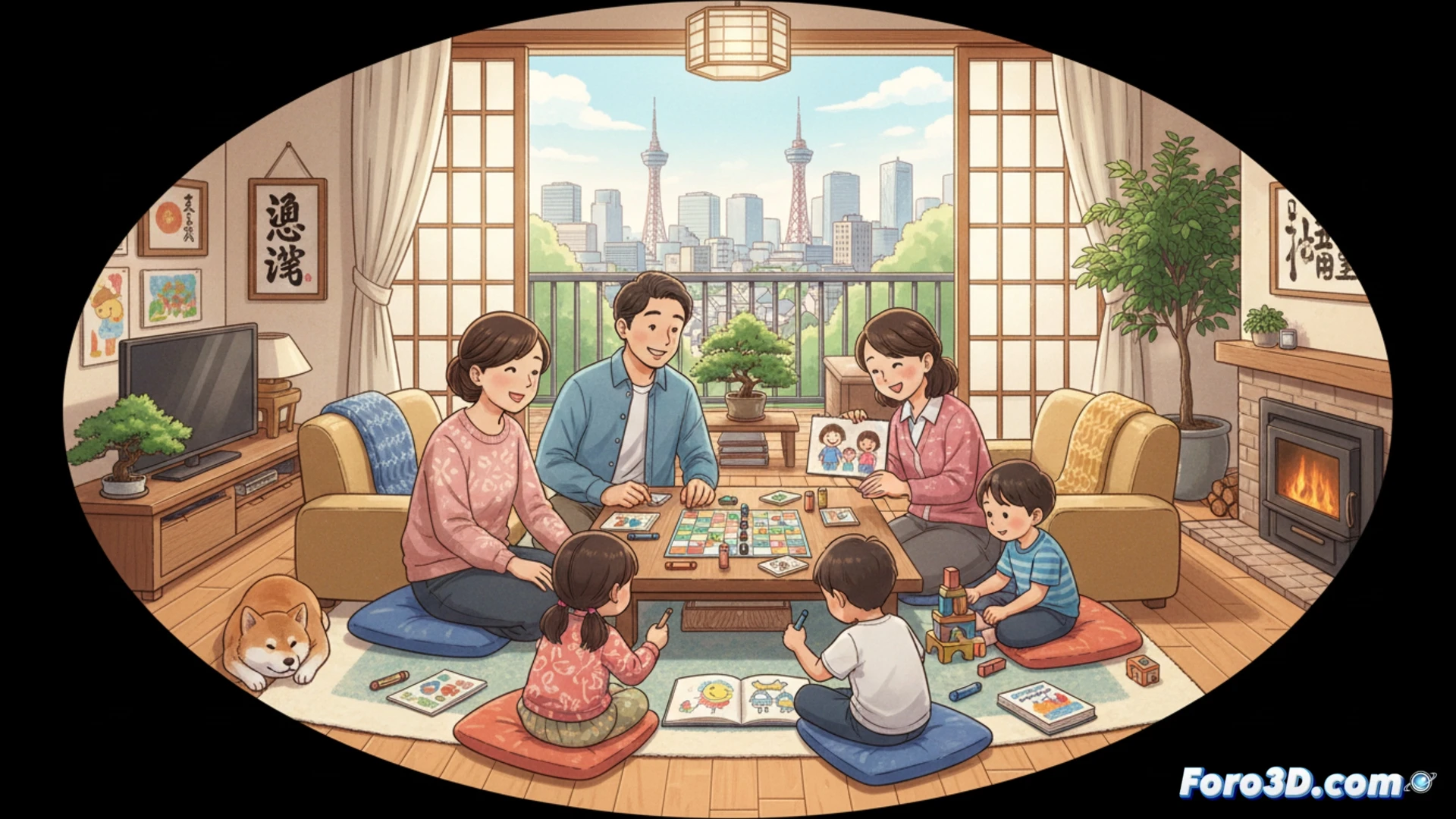
Family selection and monitoring technology 🛠️
The program uses a matching system based on algorithms that cross-references psychological profiles, time availability, and household resources with the specific needs of each minor. Participating families undergo periodic evaluations through digital monitoring tools. Additionally, a centralized platform records every interaction and the child's development, allowing real-time adjustments and ensuring the environment meets the safety and emotional support standards established by local authorities.
The Airbnb for children: short stays with family reviews 🏡
The system resembles a vacation rental platform, but with children instead of suitcases. Host families receive a profile of the minor, and the children arrive with their basic emotional survival kit. The curious thing is that, unlike a hotel, there is no room service here, but there are family dinners and homework. However, the stay rating is not decided by an algorithm, but by the child's smile when saying goodbye.