The U.S. Second Armored Cavalry Regiment has concluded the multinational exercise FlyTrap 5.0 in Lithuania, bringing together approximately 1,000 soldiers from the United States, the United Kingdom, and allied nations. The training focused on evaluating anti-drone systems, electronic warfare, and unmanned ground vehicles in realistic combat scenarios.
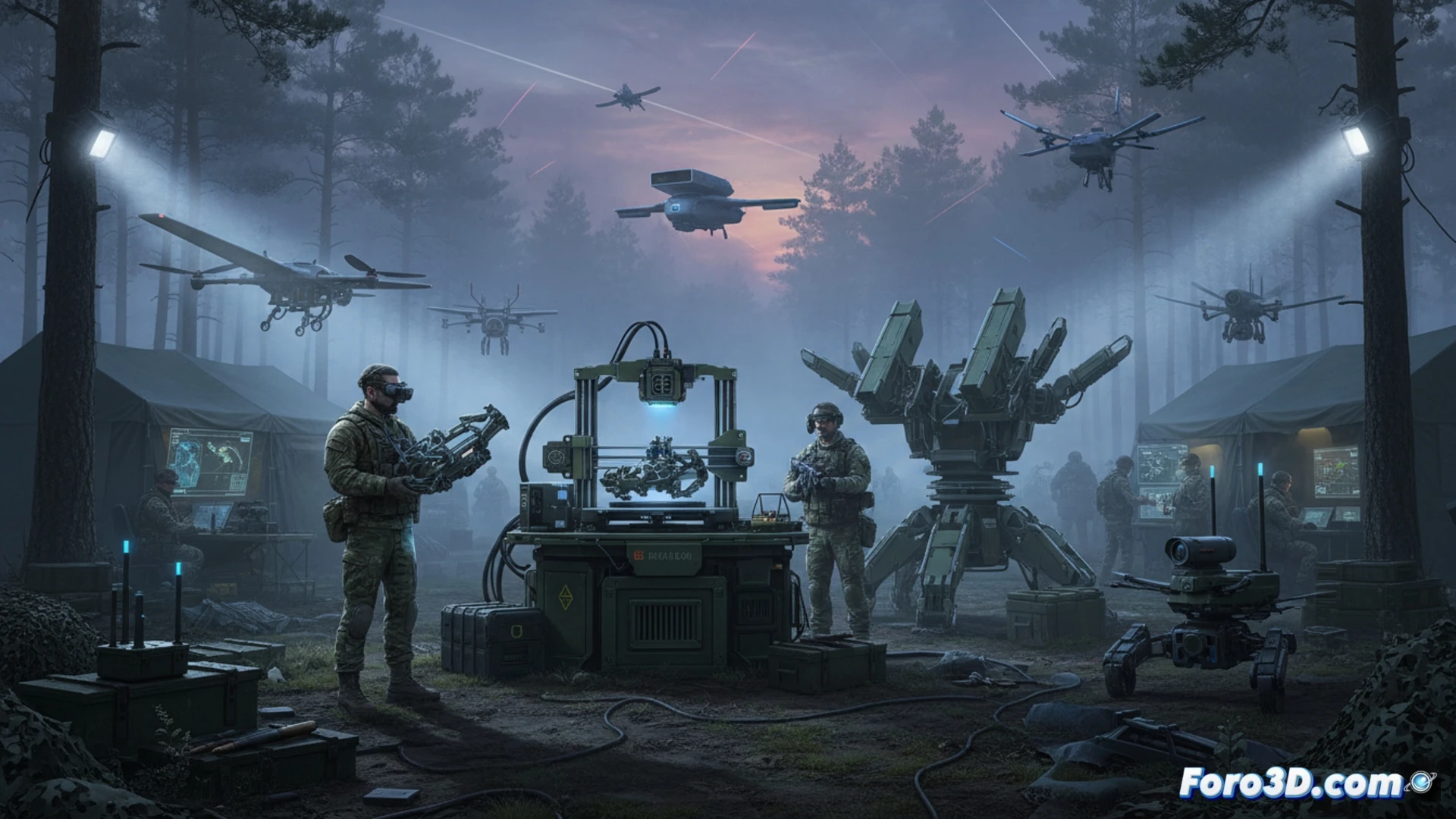
Improvised logistics with 3D printing in the field 🛠️
During the exercise, conventional logistics showed its limits. Critical parts such as brackets and adapters for integrating anti-drone systems onto Stryker vehicles were not listed in any standard catalog. The solution was on-site 3D printing, manufacturing these components urgently. This method allowed equipment to be adapted to immediate operational needs, reducing wait times and demonstrating a flexibility that traditional supply systems do not offer.
When the catalog says no, the 3D printer says yes 🖨️
While military bureaucrats are still debating suppliers and delivery deadlines, soldiers in Lithuania were already printing their own brackets as if they were tactical Lego pieces. Next time a Stryker needs an adapter, perhaps the logistics manual will suggest bringing a plastic filament instead of filling out forms. Modern warfare: where the biggest bottleneck is not the enemy, but the procurement department.