The Cucharas lagoon, in Ciudad Real, has been the scene of an ecological tragedy. Several flamingos have died after colliding with a perimeter fence. Environmental organizations denounce that the wetland, a key habitat for these birds, lacks signage or modifications to the structure to prevent collisions. Authorities must investigate and apply urgent corrective measures.
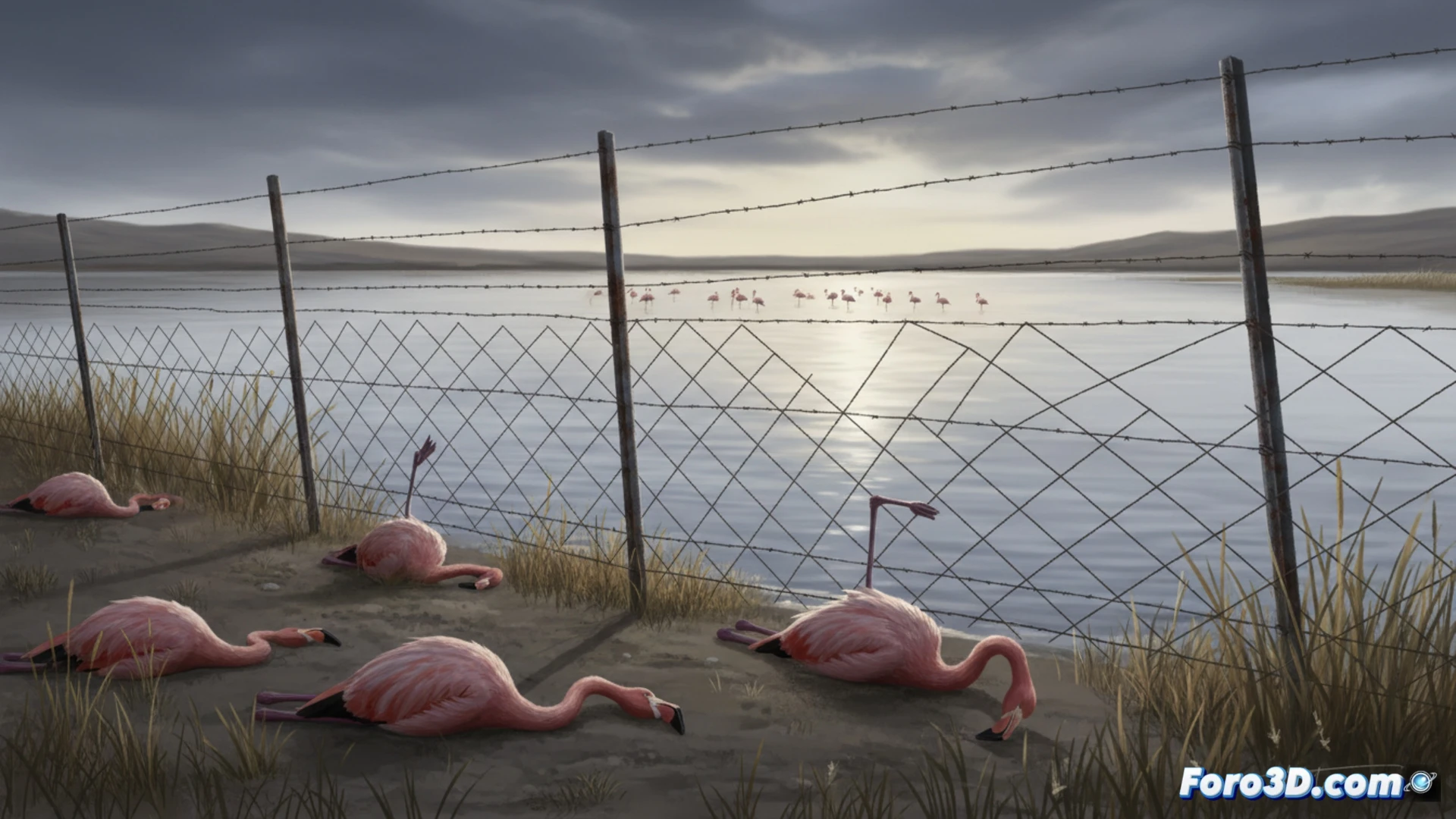
How to avoid these collisions with simple technology? 🛠️
Technical solutions such as brightly colored meshes, nets with increased visibility, or UV reflector systems can reduce bird collisions with fences. In wetlands, it is recommended to install vertical signage with high-contrast patterns or replace sections with flight-permeable fences. These adaptations have low cost and high effectiveness, according to conservation studies. The key is to integrate functional design with respect for the ecosystem.
The fence: an obstacle that even the flamingos didn't see coming 🦩
It seems that the Cucharas fence not only protects the perimeter but also works as an efficient flight cutter. Flamingos, experts at dodging predators, did not count on a fence designed by humans who cannot fly. Perhaps the next step is to install air traffic signs for birds or a GPS with obstacle alerts. Meanwhile, authorities continue to study the problem... from solid ground.