The Pulse 9 High-Fidelity Filters have burst into the music production market with a clear promise: to reduce ambient noise in a flat manner without sacrificing musical frequencies. For 3D stage designers, this is not just an accessory for musicians, but a technical variable that redefines how we simulate acoustics in virtual environments. By eliminating distortion, these filters allow sound propagation models in visualization software to be more accurate, replicating the real listener experience without digital artifacts.
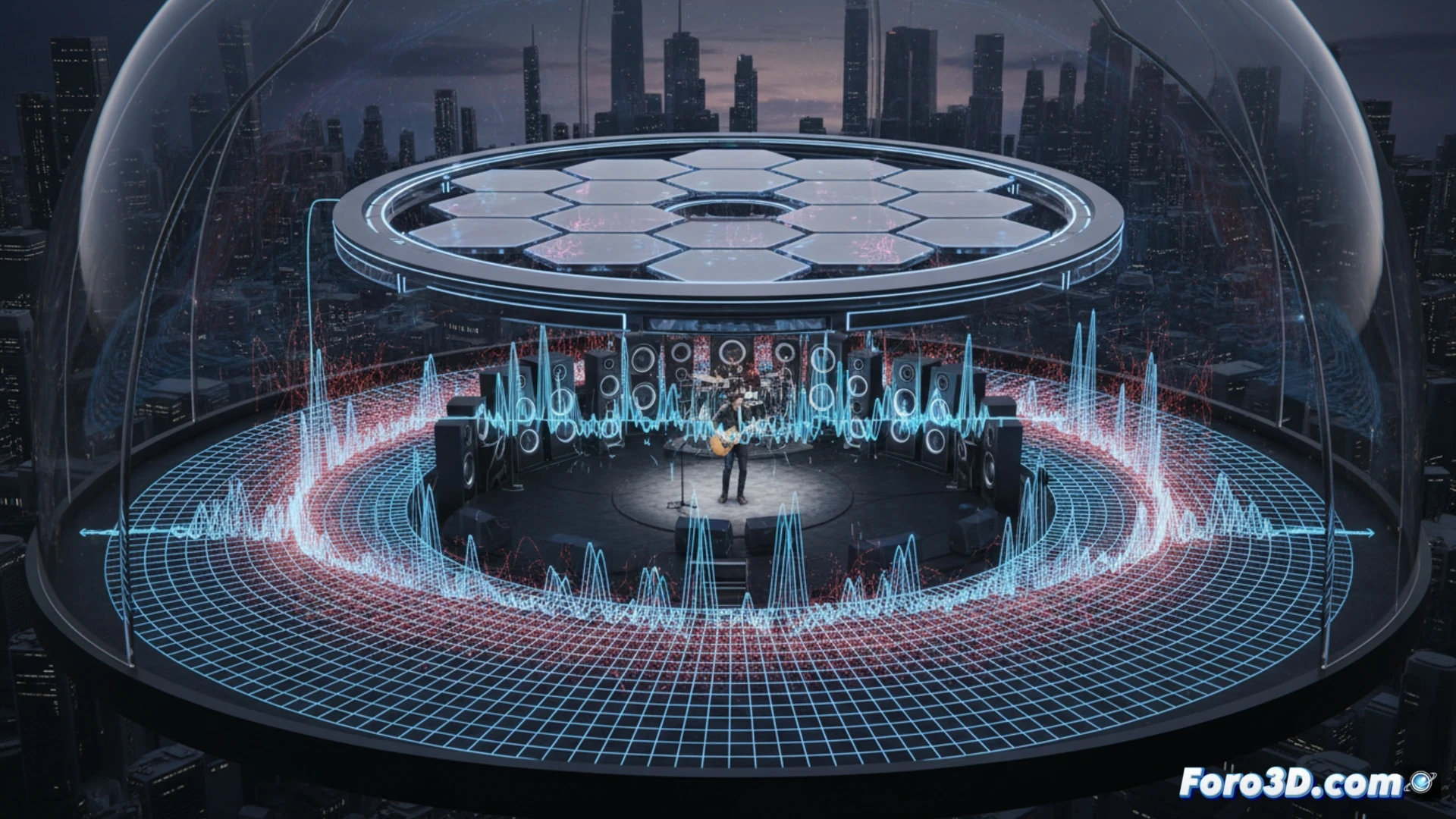
Integration of flat filters in virtual acoustic simulation 🎧
In show design, the arrangement of speakers and the geometry of the venue are crucial. With tools like Wwise or Audiokinetic integrated into 3D engines (Unreal Engine or Unity), we can model the behavior of the Pulse 9 as a noise reduction node. By assigning flat absorption properties to virtual zones near the stage, we prevent the software from simulating false equalization peaks. This is vital for outdoor events where wind or traffic generate unwanted frequencies; the filter acts as a clean acoustic canvas, allowing the virtual mix to focus only on the music and show effects.
Towards a standard of fidelity in staging 🎚️
The adoption of these filters in 3D planning is not a luxury, but a necessity to avoid audience listening fatigue. By simulating a stage with Pulse 9, technicians can predict how flat noise reduction affects speech intelligibility and bass clarity. This closes the loop between visual design and sound engineering, demonstrating that a good show is not only seen in 3D, but heard with absolute transparency.
How does the integration of flat acoustic filters like Pulse 9 affect the design of virtual stage sets for 3D shows, where clean sound simulation is as critical as visual precision?
(PS: lighting simulation always looks better than reality... like Tinder photos)