The profession of proofreader, essential in the publishing chain, involves specific occupational risks that often go unnoticed. Prolonged exposure to screens and paper causes intense visual fatigue, while a sedentary lifestyle and forced postures lead to musculoskeletal disorders of the neck and back. Added to this is the stress from precision and tight deadlines, creating a multifactorial risk profile that deserves a detailed epidemiological analysis.
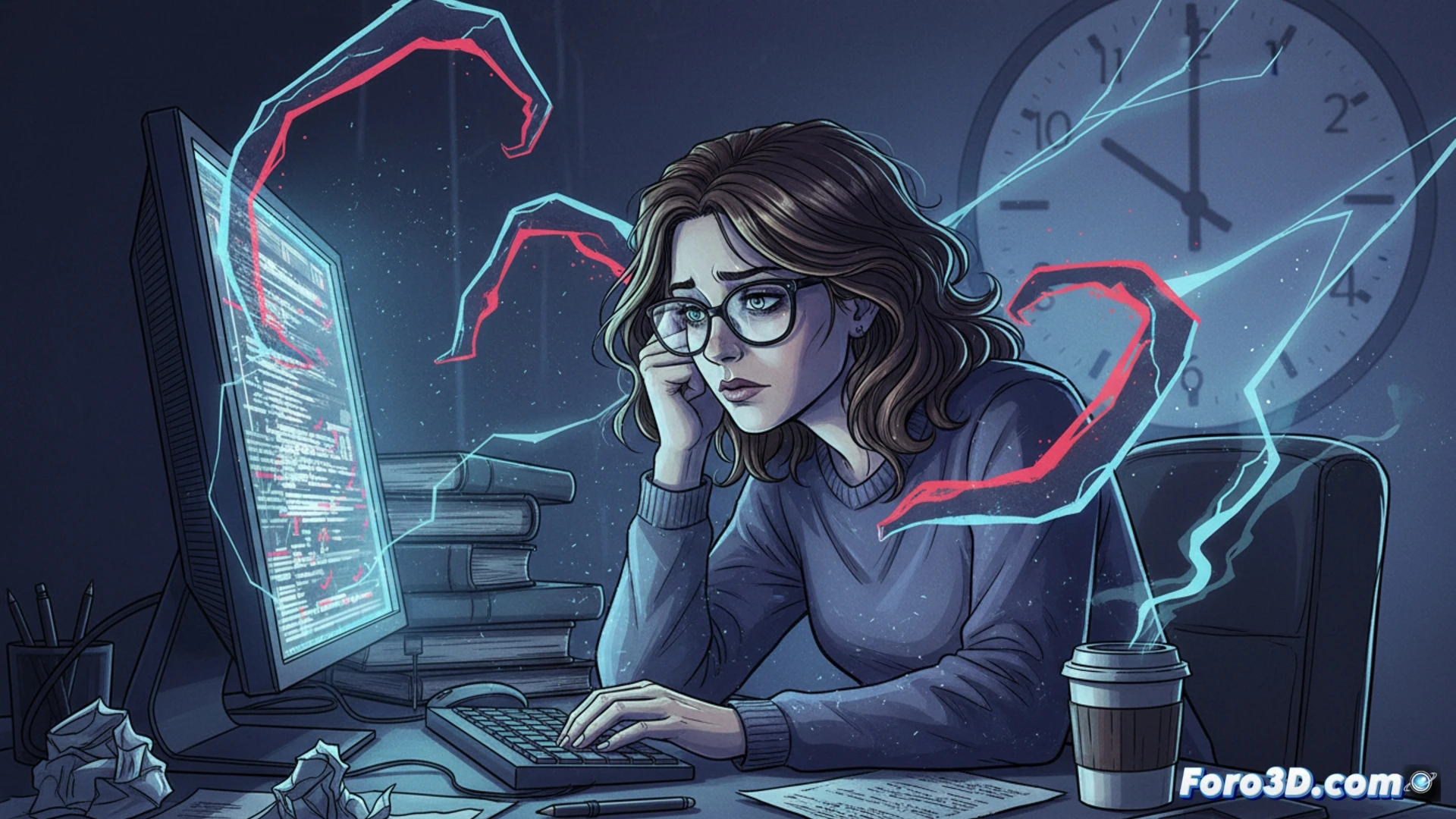
Visual epidemiology: heat maps and 3D simulations 🔍
An interactive 3D visualization would allow showing the incidence of these disorders in proofreaders, comparing it with other sedentary professions such as programmers or graphic designers. Body heat maps would highlight the most affected areas: neck (cervical tension), shoulders, and lower back. Dynamic deadline stress graphs would reveal anxiety peaks during editorial closing periods. Additionally, simulations of forced postures (head tilted, shoulders raised) would help identify biomechanical risk factors. The data, extracted from occupational surveys and occupational health records, would allow generating annual incidence curves and preventive projections.
Prevention through visual and postural awareness 🪑
The creation of this visual tool seeks not only to document but to raise awareness. By exposing the reality of proofreaders through graphs and animations, it encourages the adoption of active breaks, periodic ophthalmological check-ups, and redesign of workstations. Preventive ergonomics and deadline stress management must be integrated into work culture. This approach, based on epidemiological data, offers a clear guide to reduce visual fatigue and musculoskeletal disorders in a key group for text quality.
As a proofreader, how can I measure the physiological impact of accumulated visual fatigue during long workdays and differentiate it from the stress inherent to the precision required by the profession, in order to implement truly effective breaks?
(PS: modeling health data is like going on a diet: you start with energy and end up giving up)