The Eurovision Song Contest compresses in two weeks what destination marketing achieves in years. With audiences exceeding 160 million, the event acts as a stress test for a city's narrative. Liverpool, United Kingdom, is a clear case: it generated over 280,000 pieces of global media coverage from its appointment as host in October 2022 until the final in May 2023. The direct economic impact was £54.8 million, with an additional £11.1 million from repeat visitors, and the total visitor economy reached £6.25 billion.
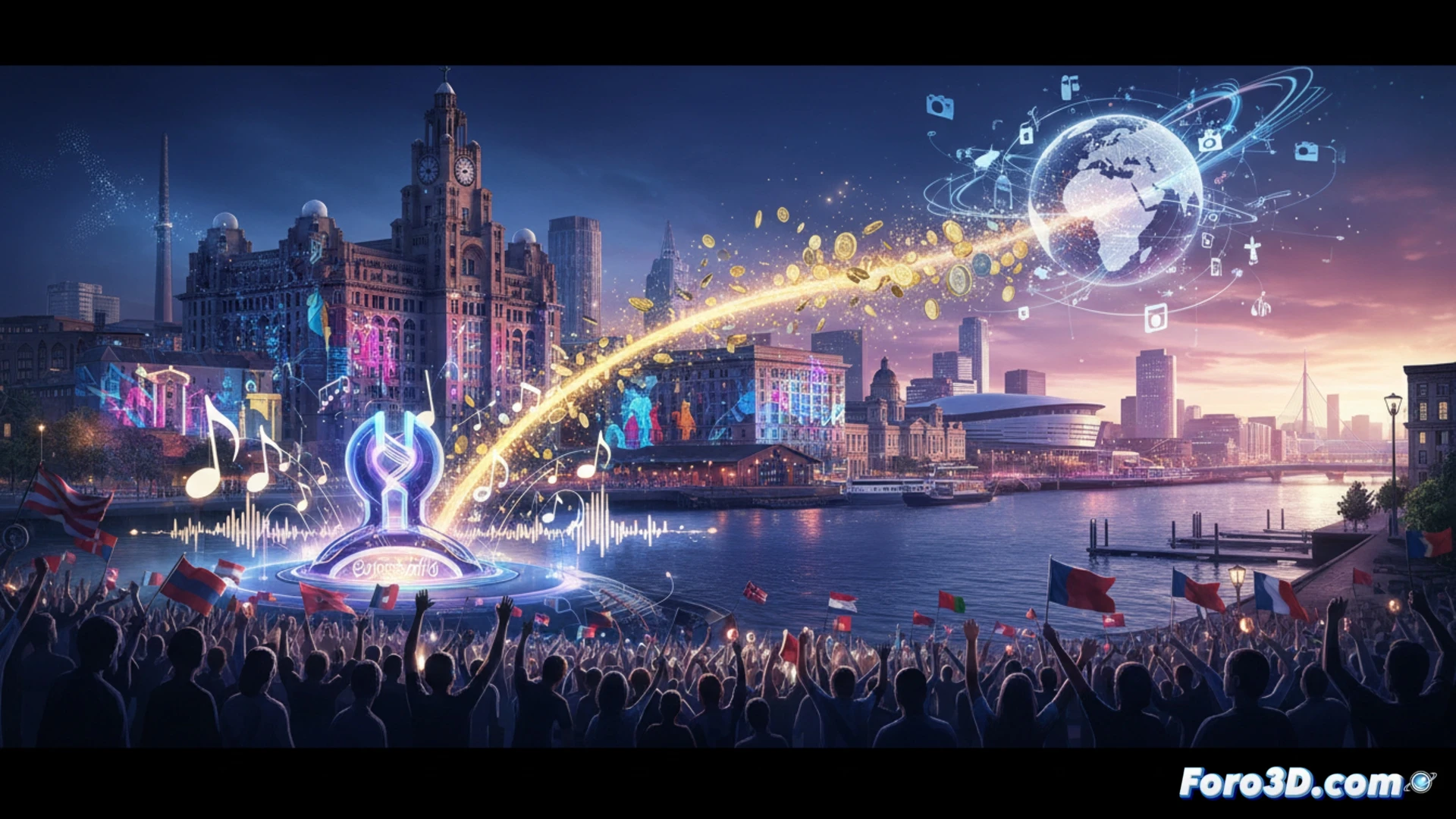
The technological infrastructure behind the show 🎛️
Behind the stage brilliance, the city deployed a dedicated fiber optic network and real-time transmission systems to support the demand of 160 million global viewers. Liverpool integrated data analytics platforms to measure visitor flow and adjust public services, from transportation to security. The synchronization between the LED lighting systems at the M&S Bank Arena and the EBU servers enabled latency of less than 200 milliseconds in international signals. This infrastructure, designed for a massive event, remained as a legacy for future events such as EURO 2028.
When your neighbor asks you to hold their microwave 🎤
Liverpool hosted Eurovision on behalf of Ukraine, a gesture that could be compared to lending your house to a friend for a party and ending up being the life of the evening. 95% of residents felt proud, probably because no one had to clean up after the event. Now the city ranks among the top 10 most recognized non-capital cities in the world, surpassing sites that have been paying for advertising campaigns for decades. So, if you want your city to be famous, you just need a war, a festival, and neighbors who don't complain about the noise.