France and Sweden are leading a diplomatic offensive to restrict trade with Israeli settlements in occupied Palestinian territories, deemed illegal by the UN. The proposal, based on a 2024 International Court of Justice opinion, seeks to raise tariffs and controls on these products. Nine countries, including the United Kingdom and Germany, demand a halt to settlement expansion, while Ireland and the Netherlands prepare laws to limit commercial exchange.
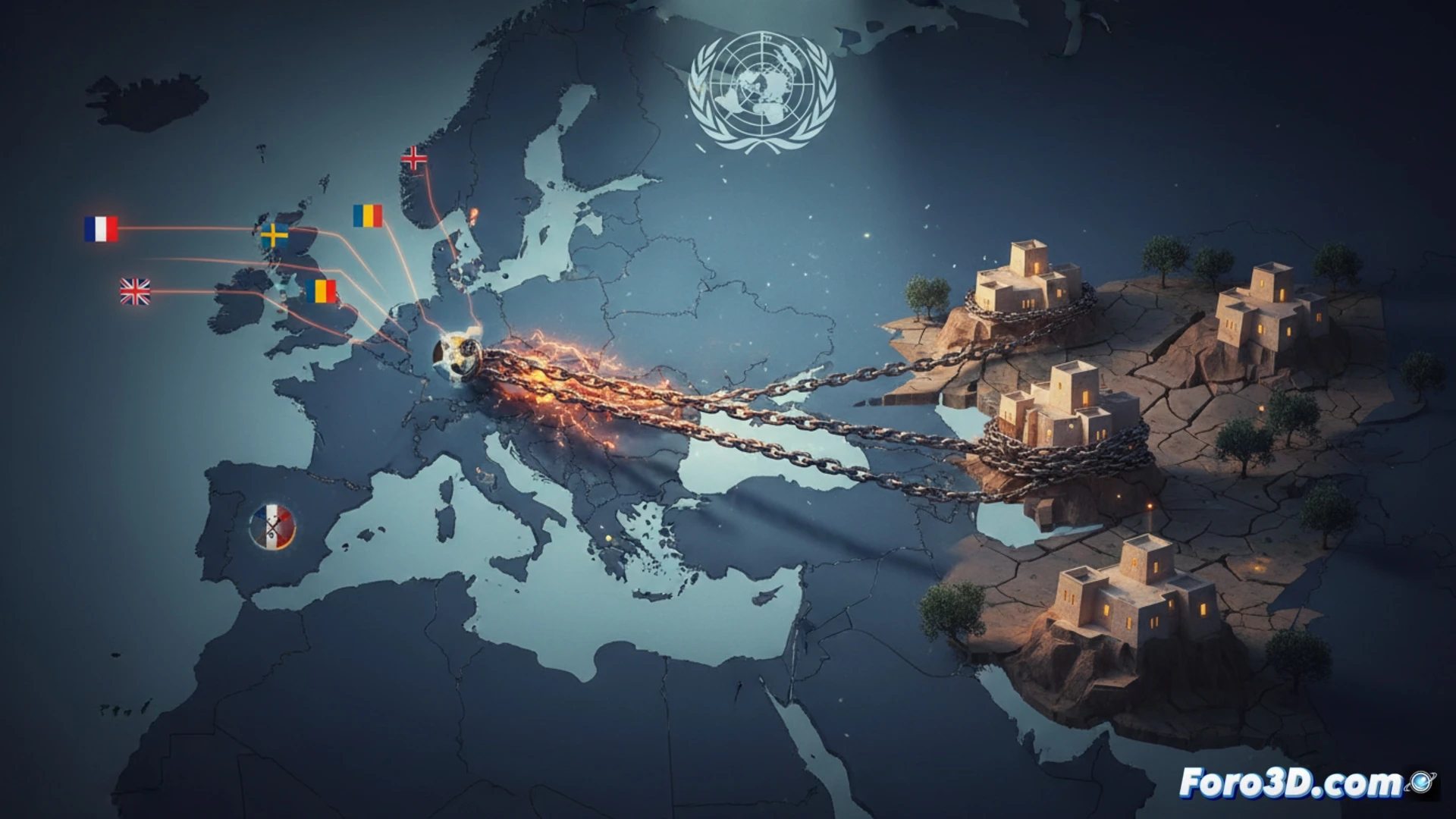
How legal pressure and tariffs affect export logistics 📦
The implementation of these trade restrictions introduces technical variables into the supply chain. Origin verification systems will need to discriminate products from the West Bank and the Golan Heights, applying specific tariff codes. This entails more rigorous customs audits and traceability certifications, raising logistics costs. European companies will have to update their inventory management platforms to avoid sanctions, a process requiring integration with EU and WTO databases.
The UN and the dilemma of the settlement's kosher kiwi 🥝
While the ICJ rules and foreign ministers get serious, European supermarkets face an existential drama: distinguishing between an avocado from Tel Aviv and one from a settlement. Customs inspectors, armed with magnifying glasses and GPS coordinate lists, will have to ask the greengrocer: Is this lemon from a colony or the green zone?. And to think it all started with a Product of Israel label that now seems as precise as a treasure map.