3D technology is transforming the plasterer's trade. Forget homemade silicone molds and mixtures that expire. With a 3D scanner, you capture the exact geometry of a cornice or column. Then, modeling software allows you to repair or replicate the piece in hours, not days. A clear example: restoring a damaged rosette by scanning the original and printing a precise mold to cast the plaster.
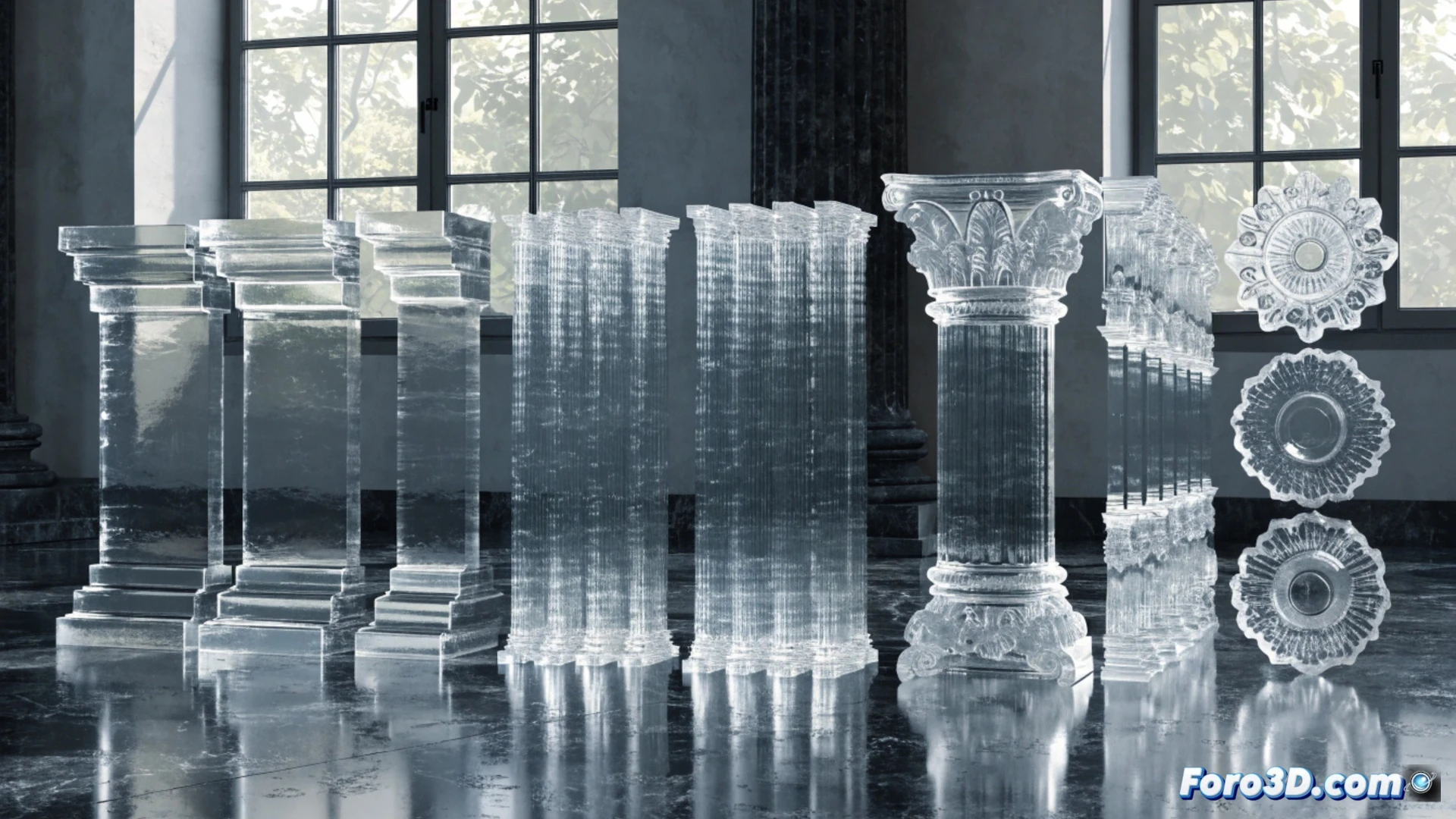
Key programs for digitizing and replicating parts 🛠️
You need two types of software. First, a scanning program like RealityCapture or Meshroom to process the photos and obtain a 3D mesh. Second, a modeler like Blender or Fusion 360 to clean the mesh, fill holes, and design the mold. If you're looking for something more direct, ZBrush allows you to sculpt fine details. For printing, Cura or PrusaSlicer prepare the file. All of this runs on a PC with 16 GB of RAM and a decent graphics card; nothing out of this world.
Goodbye to plaster milk on your sneakers 👟
The best part is that you'll no longer have to explain why your hands are white all day. Nor balance to keep water from spilling into your bucket. Now the biggest risk is forgetting to put the SD card in the scanner and having to redo the capture. Of course, the client will still ask if you can have the piece ready by yesterday. Technology advances, but delivery deadlines remain the same as always.