Installing solar panels requires millimeter precision on complex roofs. 3D technology allows you to scan the real space, detect shadows from chimneys or antennas, and simulate energy production before drilling a single nail. Forget tape measures and rough calculations: the digital model avoids surprises and extra visits.
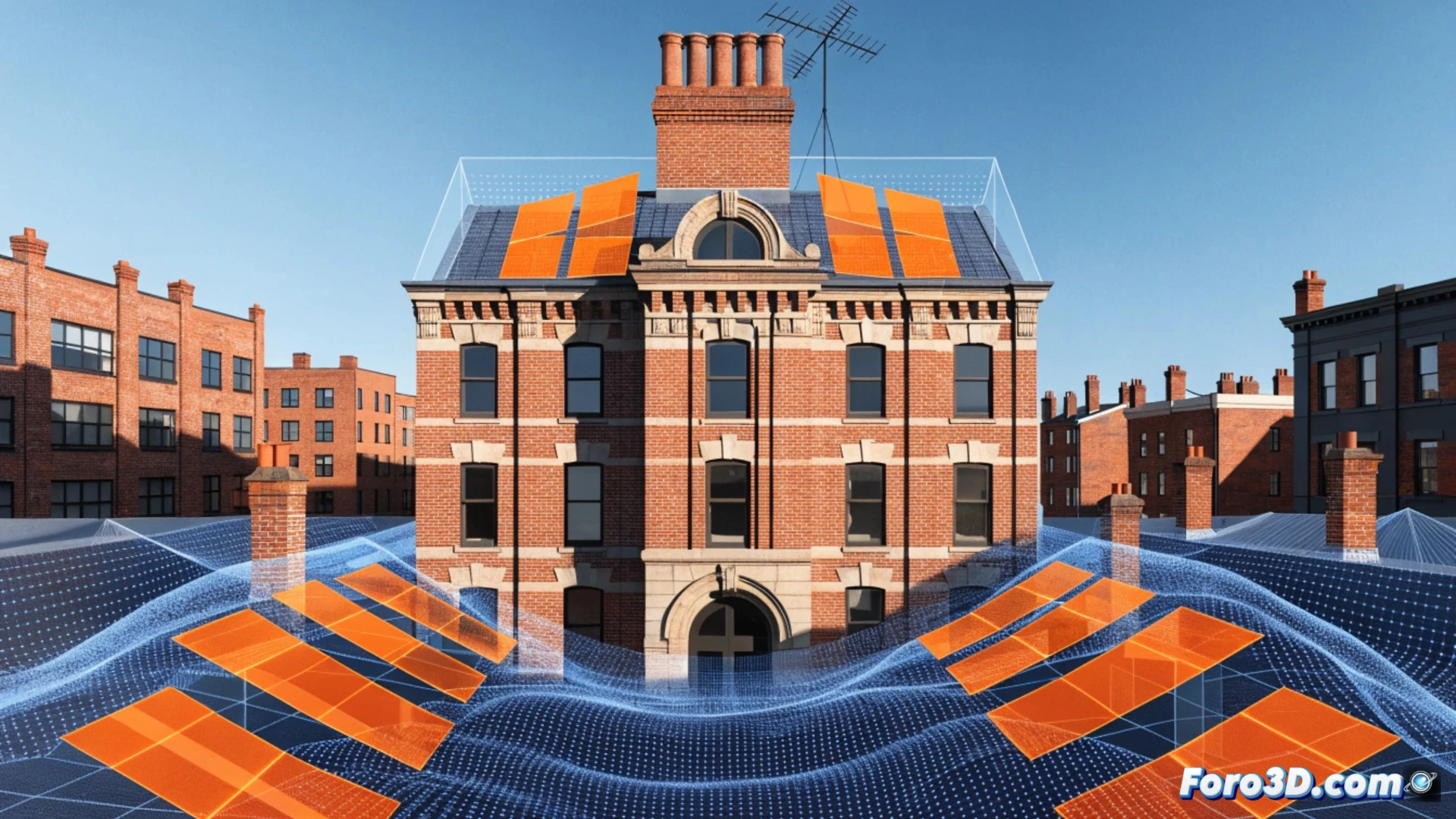
From the real roof to the digital twin with three key programs 🛠️
The workflow starts with a LiDAR scanner like the one on an iPhone Pro or a DJI drone to capture the roof's geometry. This data is processed in modeling software such as SketchUp or Blender to clean up the point cloud. Then, specialized programs like Helioscope or PVsyst import the 3D model and calculate the optimal tilt, hourly shading, and wiring. The result: an installation that fits like a glove.
The day the flat roof gave me back the scanner 📏
A colleague insisted on manually measuring a flat asbestos cement roof. After two trips to reposition supports, he discovered that his phone's 3D scanner had already calculated a two-degree slope that he had overlooked. Since then, he says his tape measure is only good for measuring the distance to the fridge. Technology doesn't fail; the human eye sometimes does.