The trade of a gas fitter demands millimeter precision to prevent leaks and comply with regulations. 3D technology allows scanning existing spaces and designing custom pipe routes, reducing errors and site visits. A clear example is scanning a kitchen to manufacture pre-assembled copper pipes in the workshop, ready to install in minutes.
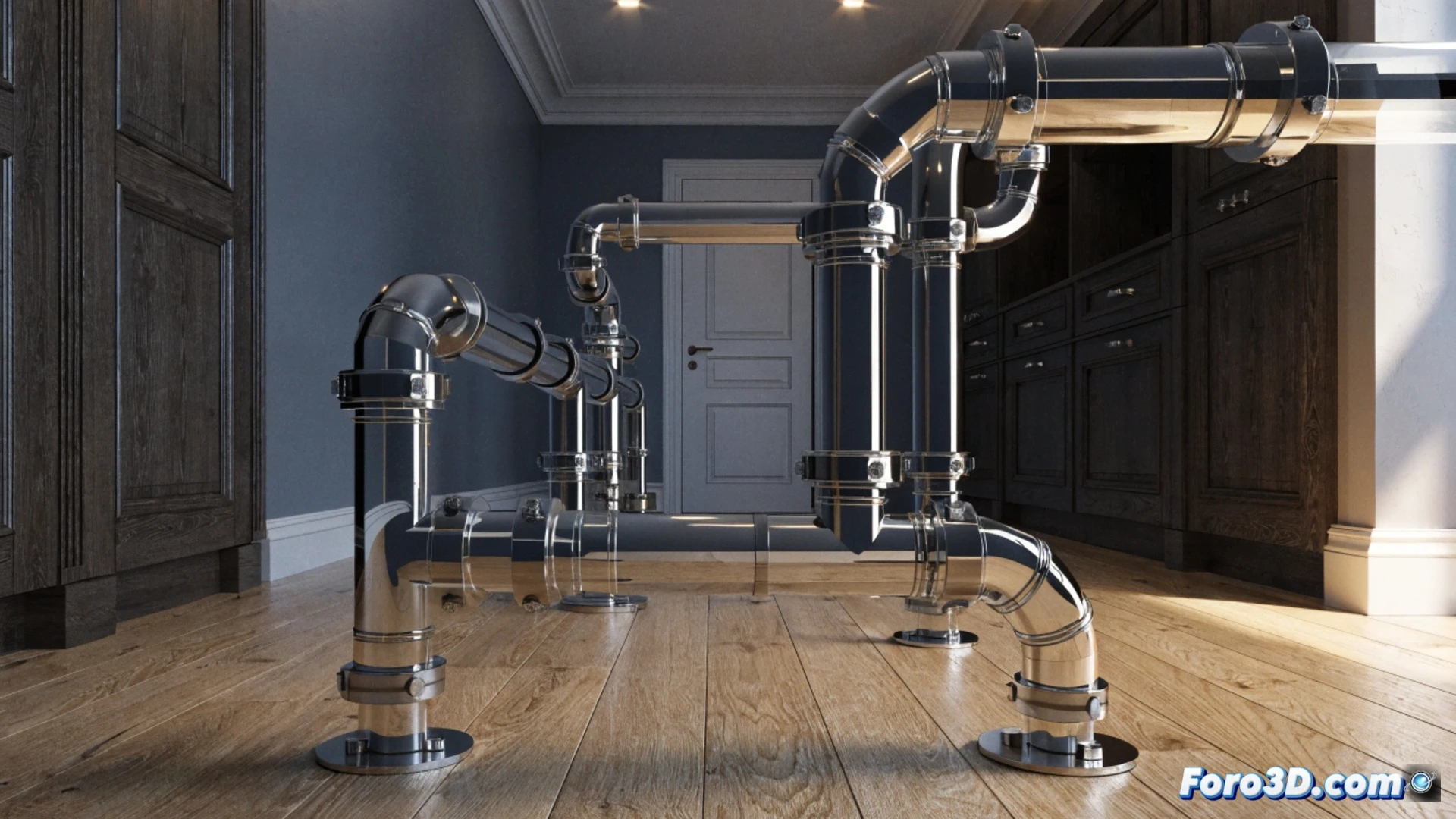
Programs and workflow for 3D piping 🔧
For this process, a 3D scanner like the Revopoint POP 3 or the Einscan SE is used to capture the geometry. Then, software such as Autodesk Revit or SolidWorks allows modeling the pipe route and generating workshop plans. For precise cuts, nesting programs like NestFab optimize the offcuts. Finally, the files are exported to CNC bending machines or 3D printed supports are made with PETG filament, which is heat resistant.
When the construction thief goes digital 🧱
But don't get too excited. If you think scanning an old 1950s wall will give you a perfect piece, get ready to discover that reality always has its own agenda. The plaster falls off, the crooked beams don't warn you, and the client will tell you that corner was straight when it clearly isn't. Technology helps, but patience and a spirit level are not replaced by even the best scanner.