Stowage of goods in ports requires millimeter precision to avoid damage and optimize space. 3D technology allows stevedores to plan the placement of containers and packages using virtual models of the ship and cargo. A clear example is the use of 3D laser scanners that capture the real geometry of the hold, avoiding manual adjustments and reducing downtime.
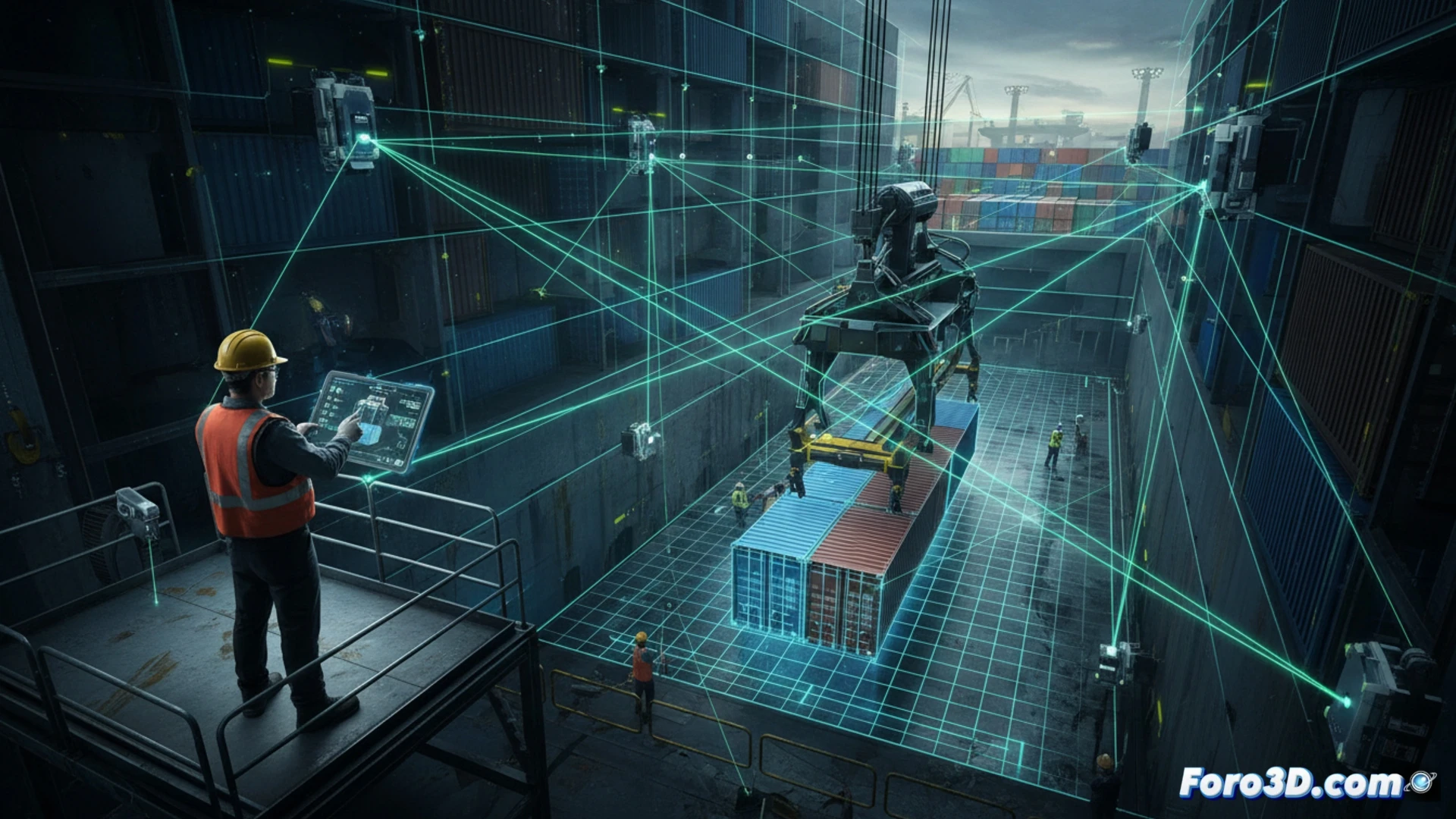
Software and hardware for 3D stowage control 🚢
To apply this technology, a 3D scanner like the FARO Focus or Leica RTC360 is needed, which generates point clouds of the hold. Software such as Autodesk Revit or Trimble RealWorks processes this data and creates a digital twin. Then, programs like StowMan or Navisworks allow simulating container placement and calculating weights. Everything runs on a ruggedized laptop like the Panasonic Toughbook, resistant to dust and impacts at the port.
The 3D stevedore who doesn't need a steel back ☕
Now the stevedore can move virtual containers from a tablet while sipping coffee, instead of sweating buckets climbing through the holds. The 3D scanner doesn't complain about the cold or ask for overtime, and the software calculates the perfect stowage without arguing with the foreman. Sure, someone will have to clean the dust off the scanner, but at least it won't be the crew's lower backs.