3D technology provides customs agents with tools to verify goods without opening containers. Through volumetric scanners and analysis software, discrepancies between declared cargo and actual content are detected. This reduces physical inspections and speeds up border processes, improving security and logistical efficiency.
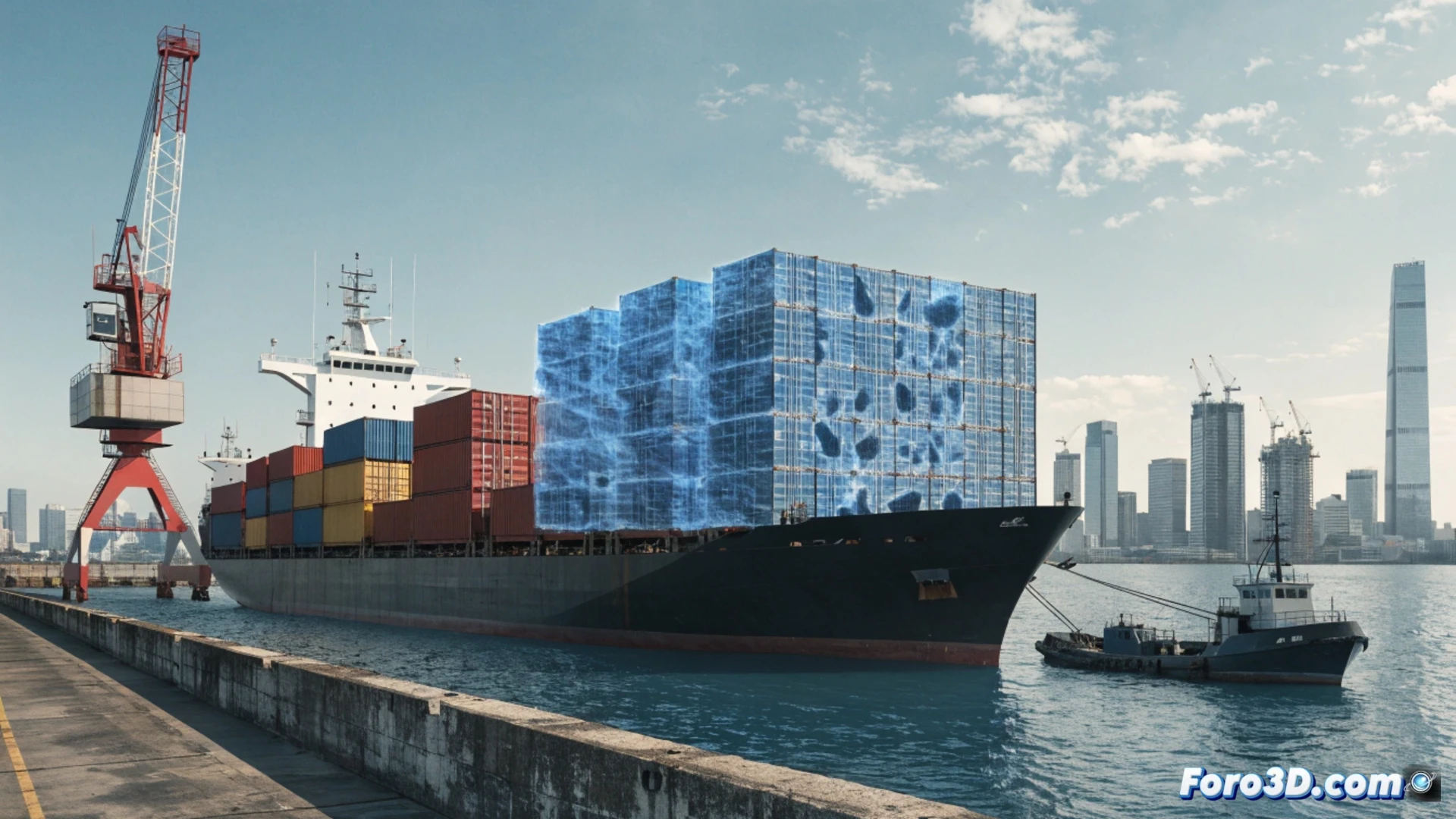
How 3D scanning works in customs verification 🚀
A 3D X-ray or computed tomography scanner generates a three-dimensional model of the container. Programs like VGStudio MAX or Volume Graphics analyze densities and shapes to identify hidden objects, such as weapons or undeclared goods. For example, when scanning a batch of toys, the software detects if a piece has an internal cavity containing illicit substances. This is cross-referenced with declaration data, alerting the agent without opening the cargo.
Goodbye to the Swiss army knife and back pain 😅
Before, a customs agent spent the day opening boxes with a cutter and smelling of wet cardboard. Now, with 3D scanning, they just look at a screen while drinking coffee. The problem is that if the software fails, the agent goes back to the Stone Age: crowbar, flashlight, and a prayer that the container doesn't have a smuggled car crushing their foot.