Vehicle cloning, known as the twin car scam, represents a growing forensic challenge. Criminals copy the VIN of a legal car to sell a stolen one, leaving the buyer with an illegal asset and potential criminal charges. Given the sophistication of these networks, traditional visual inspection techniques often fail. This is where three-dimensional scanning and photogrammetry offer a decisive advantage for documenting and exposing these manipulations.
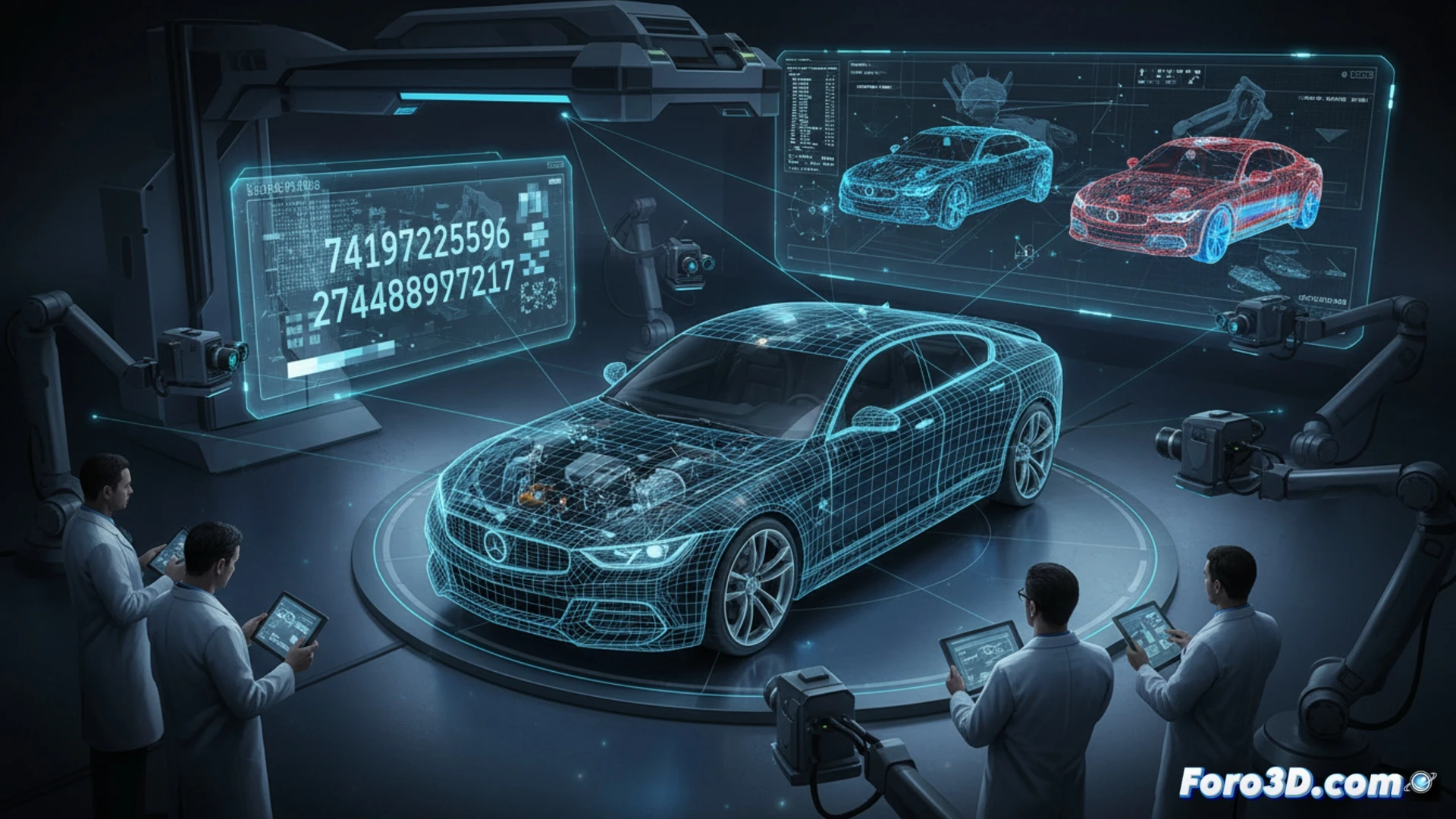
Forensic photogrammetry for detecting cloned VINs 🔍
The technical process begins with high-resolution capture of the suspect vehicle. Using photogrammetry, a precise 3D model is generated that allows digitally isolating the VIN area. Comparative analysis of this model with a database of original VINs reveals anomalies: differences in character spacing, alterations in the metal relief, or the presence of hidden welds under paint layers. In a simulated practical case, the scan identified a fake VIN plate adhered over the original chassis, detecting a 0.3-millimeter difference in material thickness, invisible to the naked eye. This digital documentation, with chain of custody certification, becomes irrefutable evidence in court.
The value of the forensic pipeline in buyer protection 🛡️
Implementing a forensic workflow with 3D scanning not only exposes fraud but also protects the good-faith buyer. By integrating this technology into pre-purchase inspections, the structural integrity of the vehicle and the authenticity of its identity can be verified. For the investigator, each cloned vehicle is a crime scene; the 3D model enables remote, collaborative, and repeatable analysis, raising the standard of technical expertise against increasingly complex frauds.
How can 3D scanning detect micro-imperfections in the sheet metal that differentiate the cloned vehicle from the original when the VIN has been copied down to the millimeter?
(PS: In the forensic pipeline, the most important thing is not to mix the evidence with the reference models... or you'll end up with a ghost at the scene.)