In 2022, a submarine volcano erupted and, unintentionally, eliminated part of the atmospheric methane. This finding has given scientists a natural clue to combat global warming. Although the studies are preliminary, the possibility of replicating this process opens a window of hope for citizens concerned about climate change.
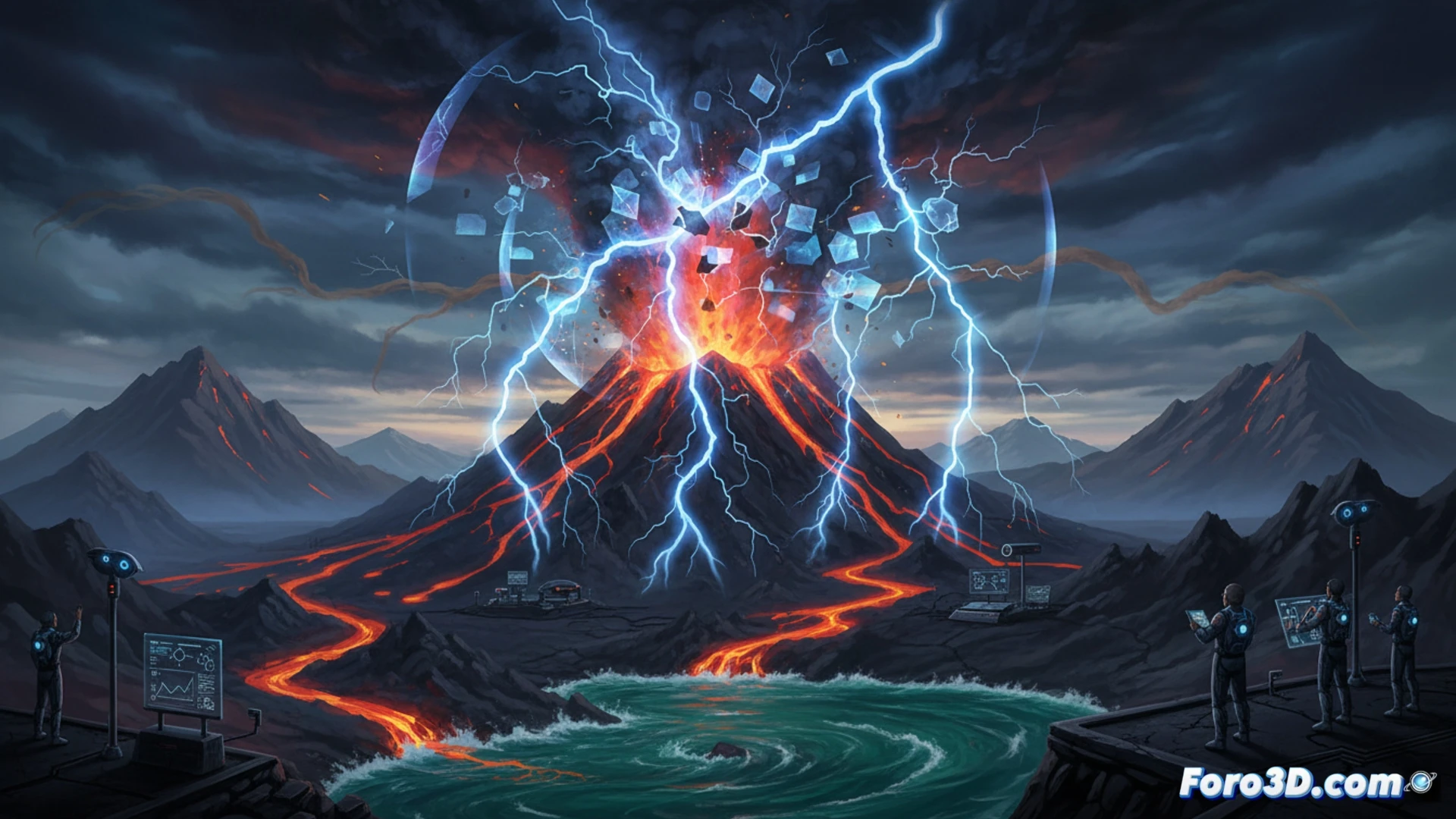
Scientists analyze the chemical process to replicate it 🔬
The eruption released iron and other minerals that reacted with methane, accelerating its decomposition. Researchers are now studying how to inject these compounds into the atmosphere in a controlled manner. The goal is to reduce the concentration of this gas, whose greenhouse effect is 80 times more potent than CO2. Years of testing and modeling are still needed to ensure it is safe and effective on a large scale.
Nature does its job, but we watch 🌍
While submarine volcanoes work for free, humans gather at climate summits to debate what to do. Now it turns out the solution might be to imitate a volcano, but without the destructive lava. Of course, if something goes wrong, at least we'll have a volcanic excuse to explain the disaster. Meanwhile, we keep waiting for Earth to give us another lesson in cheap chemistry.