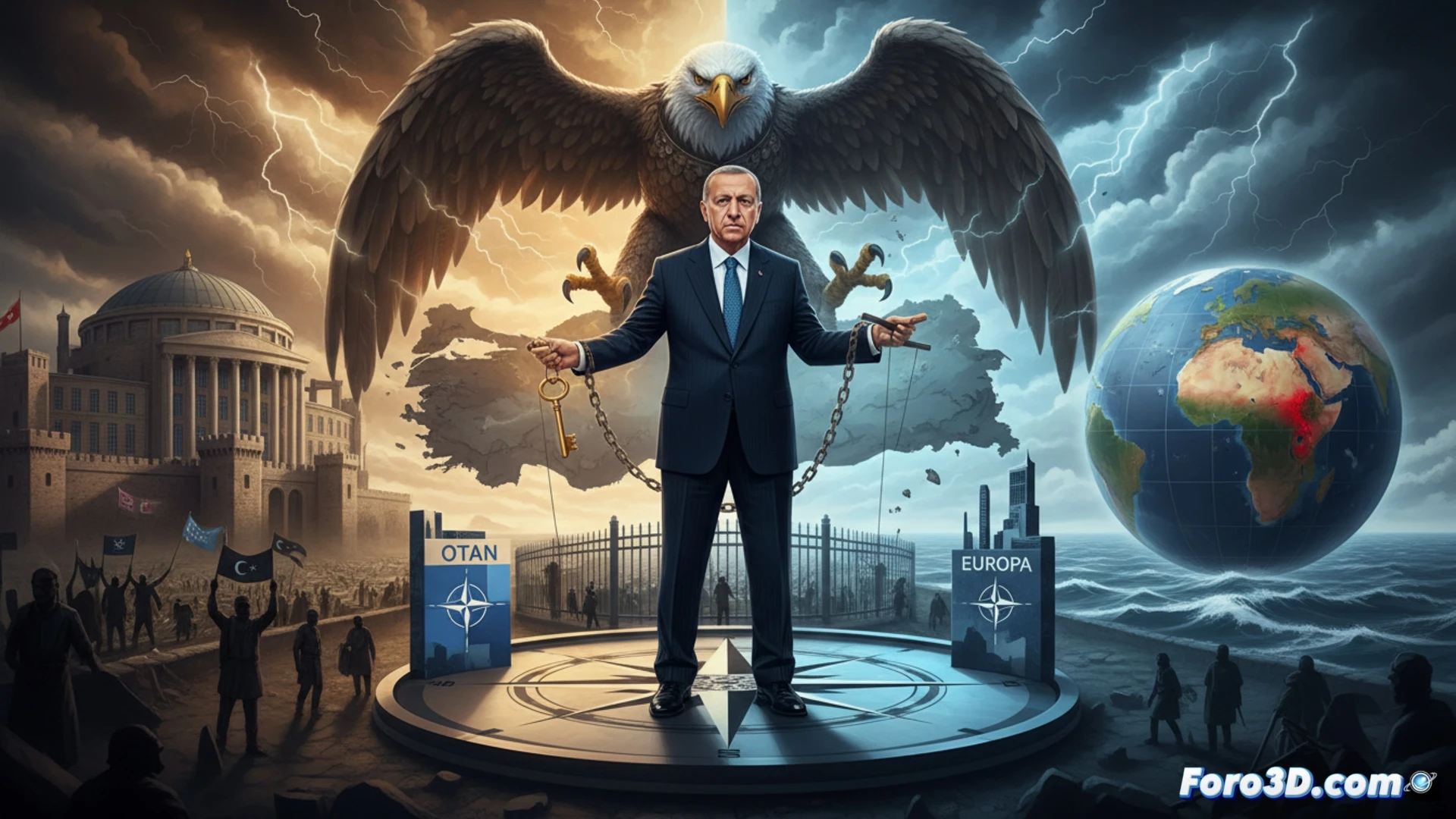
Turkey maintains its position in NATO, but relations with Europe are a constant tug-of-war. Erdogan uses his strategic position as a bargaining chip, alternating gestures of cooperation with threats of blockage. The decades-old alliance does not hide the deep differences in human rights, foreign policy, and border control, where Ankara plays its own game.
The paradox of Turkish drones in the NATO ecosystem 🛸
The Bayraktar TB2 drones, developed by the company of Selçuk Bayraktar, Erdogan's son-in-law, have become a standard weapon for several NATO members. Their success in Ukraine and Libya contrasts with diplomatic tensions. Turkey not only produces them but controls their software and updates, creating a technological dependency that Europe cannot easily ignore. The encryption system and spare parts are supplied directly from Istanbul, giving Ankara an unconventional bargaining chip within the Atlantic Alliance.
When your ally blocks your entry and sells you the lawnmower 🧐
It's like having a neighbor who prevents you from parking on your own street but offers you a discount on their latest-generation lawnmower. Turkey blocks Sweden's entry into NATO while its drones fly over allied territory. Erdogan demands political concessions while selling military technology to whoever pays. The paradox is so fine that even an Alliance GPS would get lost trying to plot a logical route in this relationship. In the end, everyone knows the lawnmower works, even if the neighbor is unbearable.