The independent study behind Bye Sweet Carole has achieved one of the greatest technical challenges in 2D development: replicating the fluidity of mid-20th century traditional Disney animation within a modern game engine. The key lies in a hybrid workflow that combines the power of Toon Boom Harmony for frame-by-frame animation with the flexibility of Unity for real-time interactivity, demonstrating that classic art and current technology can coexist without sacrificing visual quality.
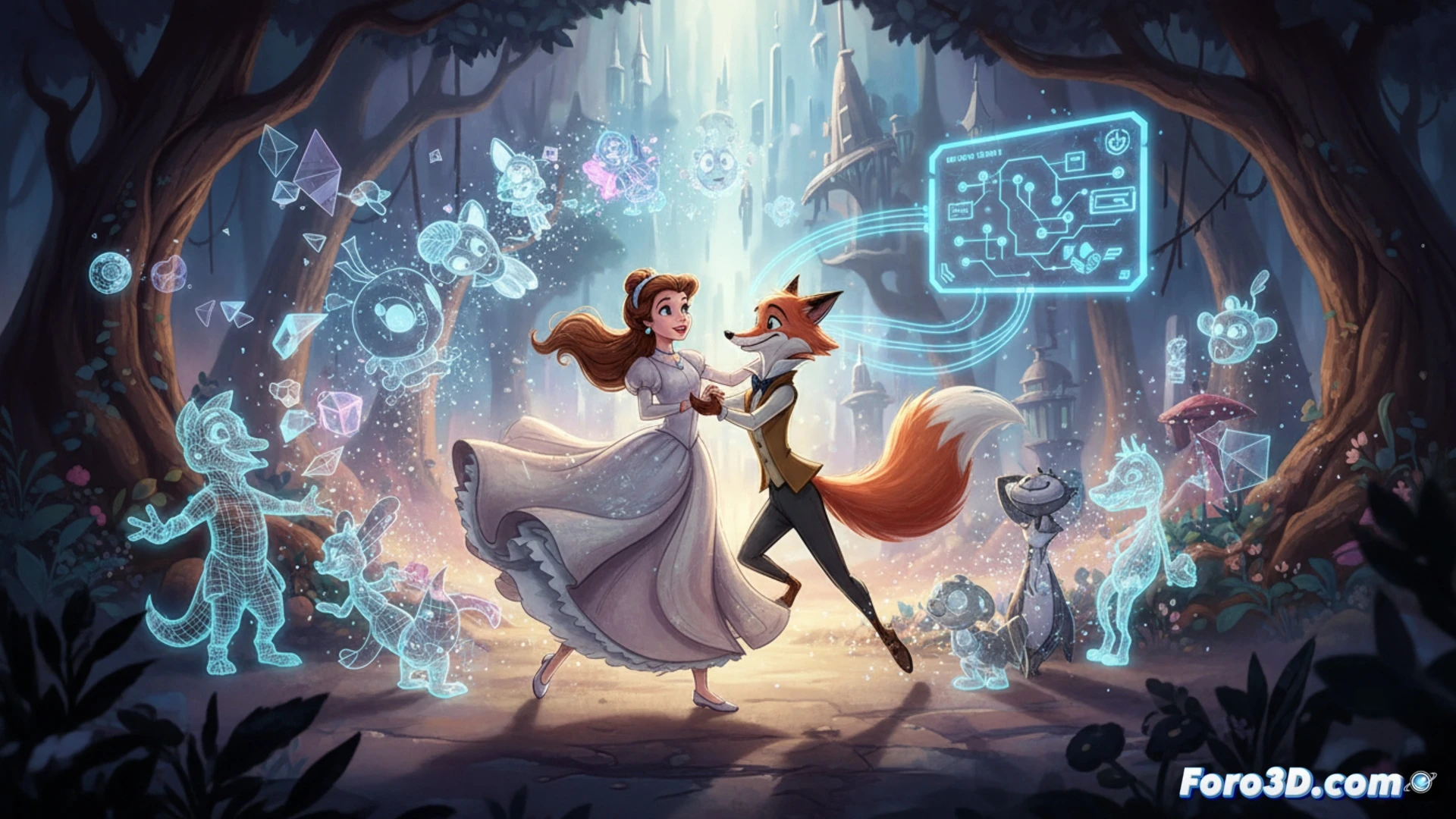
Technical Workflow: From Keyframe to GPU 🎬
The technical process begins in Toon Boom Harmony, where each animation cycle is drawn at 24 frames per second, respecting the animation principles of Disney's golden age, such as squash and stretch and exaggerated timing. Once exported as sprite sequences with transparency, these animations are imported into Unity. The biggest technical challenge is memory management: a 2-second animation at 24fps can generate up to 48 unique textures. To maintain real-time fluidity without overloading VRAM, the team implements a dynamic texture atlas system and a preload queue that anticipates the player's animations, avoiding pauses due to asset loading. Additionally, Unity's Animation Clip system is used to synchronize frame playback with game logic, allowing the character to react instantly to user inputs without breaking the illusion of organic movement.
Lessons for Independent Developers 🎨
Bye Sweet Carole demonstrates that an AAA studio budget is not needed to achieve a high artistic level, but rigorous technical planning is. For any indie developer looking to emulate this style, the main lesson is that frame-by-frame animation in an engine like Unity requires an optimized export pipeline and strict performance control. Using Photoshop for background creation and Toon Boom for characters allows total artistic control but forces sacrificing the automatic interpolation offered by other engines. The result, however, justifies the effort: a visual experience that feels alive and pays homage to classic techniques without betraying the medium's interactivity.
How did they manage to synchronize Toon Boom Harmony's 2D rigs with Unity's real-time physics engine to maintain the characteristic fluidity of traditional animation without sacrificing performance?
(PS: game jams are like weddings: everyone is happy, no one sleeps, and you end up crying)