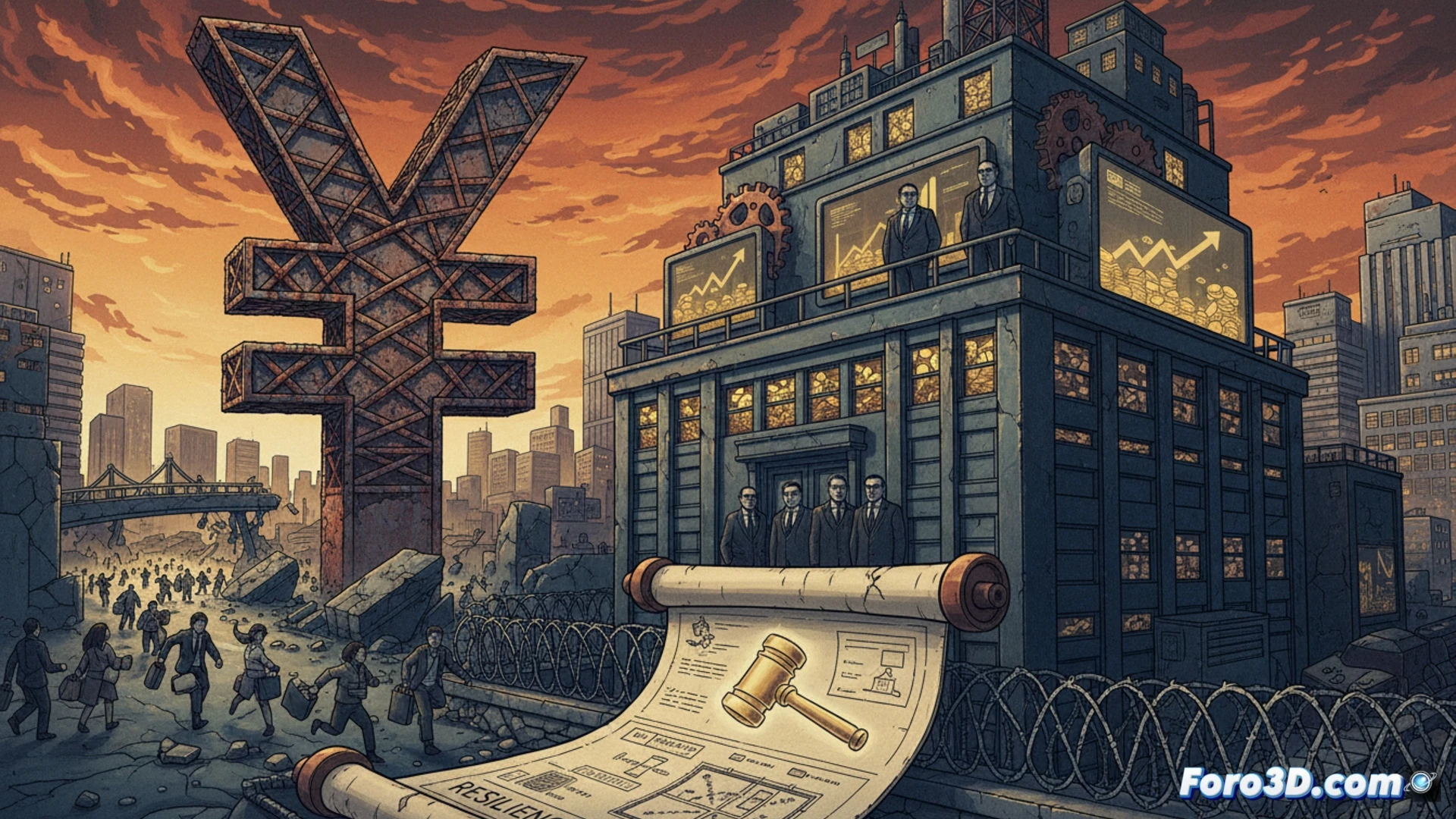
Recent research reveals that Japanese corporations prioritize immediate profit over collective safety, exposing the population to price hikes and shortages. While demanding stability from the state, these businesses avoid investing in crisis prevention. The solution lies in a law requiring all companies to submit a resilience plan, with clear penalties for non-compliance, so that economic protection does not fall solely on consumers.
Prevention technology: alert systems and smart storage 🤖
Viable technical tools exist to mitigate these risks. AI-based early warning systems can predict demand spikes and logistical bottlenecks. Blockchain inventory management platforms enable real-time traceability and prevent shortages. Additionally, automated storage infrastructure with IoT sensors optimizes strategic reserves. Implementing these solutions is neither complex nor costly; it requires corporate will and a regulatory framework that mandates their use to protect citizens.
The ostrich strategy: burying your head and raising prices 🦆
The move is classic: instead of investing in systems that prevent chaos, companies prefer to wait for the storm to arrive and then raise prices citing scarcity. It's like a plumber who, instead of fixing a leaking pipe, waits for the house to flood to charge double for the unclogging. Meanwhile, the government looks the other way, leaving the citizen with a bucket and an empty wallet. A sweet deal.