The mutant character Elixir (Josh Foley), created by Nunzio DeFilippis and Christina Weir, possesses an Omega-level power: manipulating biological structure at the molecular level. In the niche of Digital Art and Activism, its three-dimensional representation opens a pathway to visually explore complex concepts such as bioethics, healing, and bodily control. Far from being a mere collectible figure, a 3D model of Elixir can become a tool for social discussion.
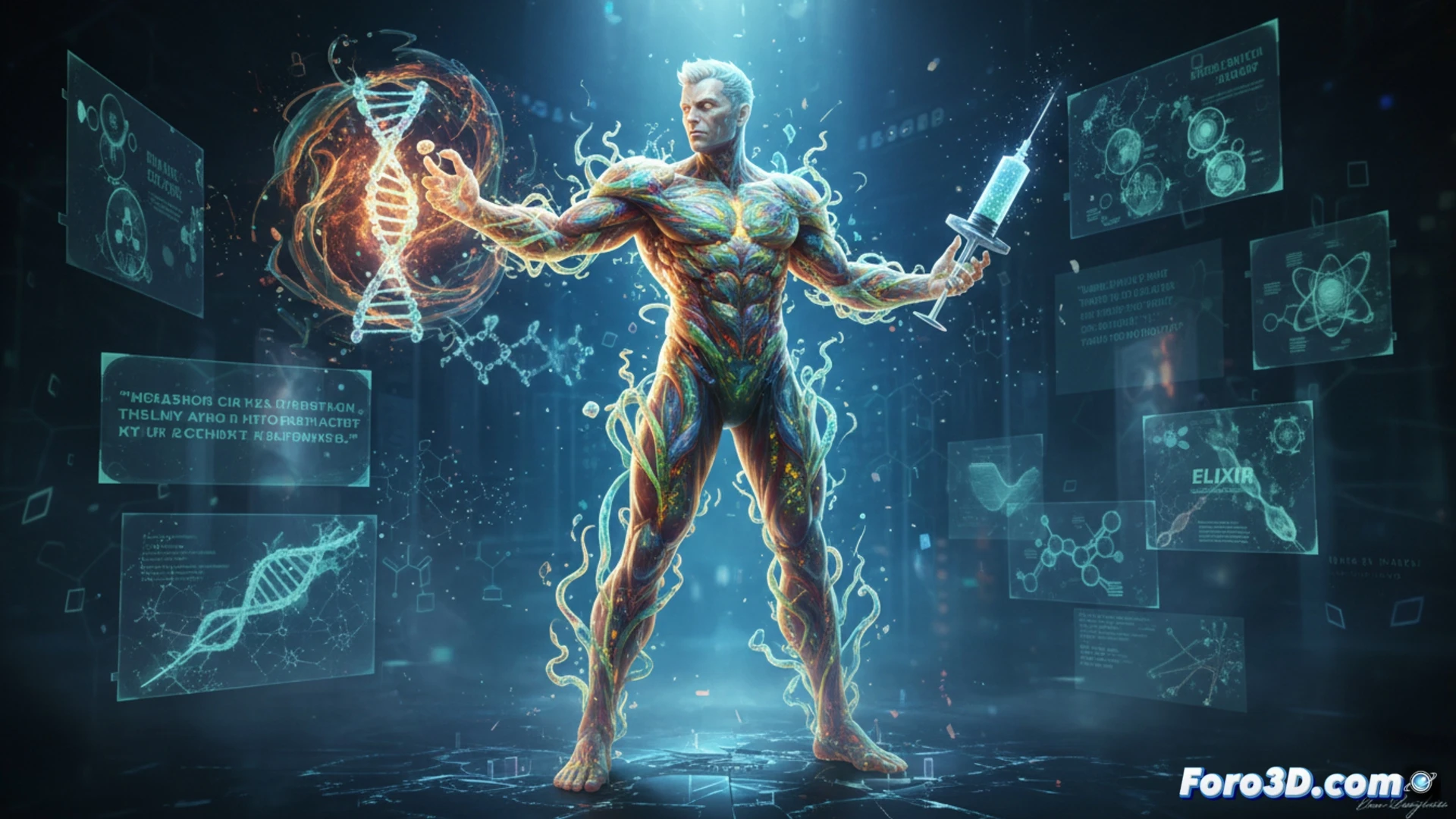
Technical modeling of the Omega power in 3D environments 🧬
To faithfully represent Elixir, digital artists face the challenge of visualizing molecular manipulation. In programs like Blender or ZBrush, they often opt for particle systems and translucent shaders that simulate cellular regeneration or lethal decomposition. A technical example is the displacement maps applied to the model's skin, which allow wounds to be shown closing in real-time. Compared to other mutants like Cyclops or Storm, Elixir demands a more organic and fluid animation, where the texture of the flesh constantly changes. This representation is not only an artistic exercise but also raises questions about how we visualize intervention in human DNA.
VR/AR experiences for bioethical reflection 🥽
Imagine an augmented reality installation where the user, through a viewer, can activate Elixir's power on a plant or an anatomical model. By touching a virtual cell, it regenerates or disintegrates. This interactive experience forces the viewer to confront the dilemma of biological control: how far is it ethical to modify life? In digital activism, these tools make it possible to bring debates on genetic therapies and human rights to light, using fiction as a bridge to reality. The 3D modeling of Elixir ceases to be a mere tribute to the comic and becomes a visual manifesto.
How can the representation of Elixir as an Omega mutant in digital art drive an ethical debate on the limits of genetic modification and human identity in contemporary activism
(PS: at Foro3D we believe all art is political, especially when the computer freezes)