A team of researchers has developed a technique that allows the fabrication of personalized electrodes for each patient using 3D printing. Using magnetic resonance imaging, the unique anatomy of the skull and brain tissue is mapped, creating flexible and biocompatible devices. Unlike standard electrodes, these adapt precisely, improving signal quality and reducing the risk of brain damage.
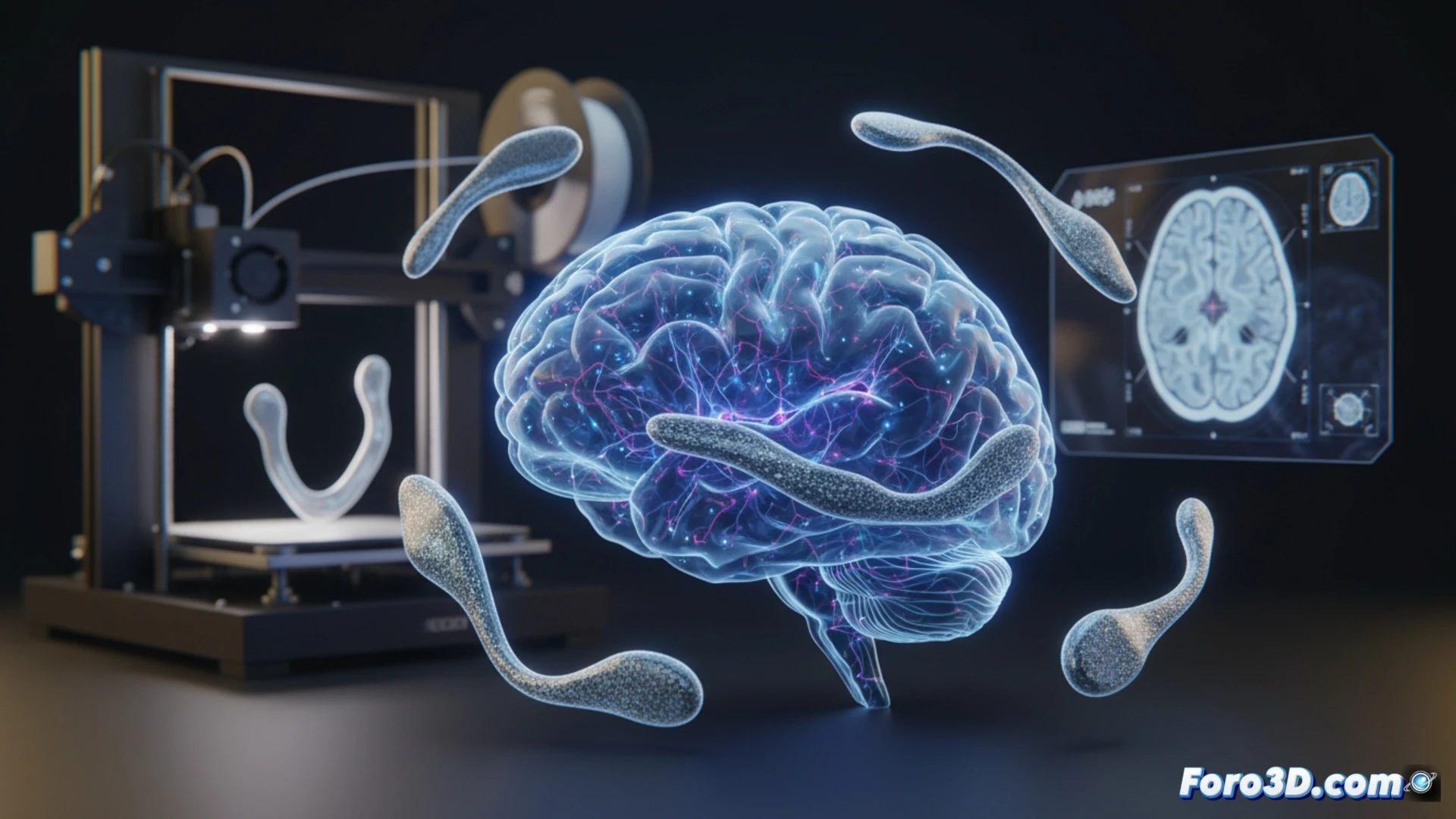
How Custom Electrodes Are Made Step by Step 🧠
The process begins with an MRI that generates a three-dimensional model of the patient's brain and skull. With that data, a 3D printer produces electrodes from flexible and biocompatible materials, designed to fit the specific curves and grooves of each individual. This customization avoids the empty spaces or excessive pressure caused by generic electrodes, resulting in cleaner signals and a less invasive placement during surgery.
Goodbye to the One-Size-Fits-All Electrode That Left You Looking Like a Hedgehog 😅
Finally, technology has heard our pleas: no, not all skulls are the same. Meanwhile, generic electrodes will still be used, of course, so patients can know what it's like to have a device that doesn't fit properly, like a size 42 shoe on a size 38 foot. Now, at least, surgeons can stop juggling with adhesive tape to secure the electrodes. Of course, if you have a square head, you might have to wait for the next update.