3D technology is transforming the glassmaker's craft by enabling the creation of molds and templates with millimeter precision. A clear example: replacing cardboard patterns that warp with PLA-printed pieces that withstand the heat of molten glass. This reduces errors and saves time with every cut.
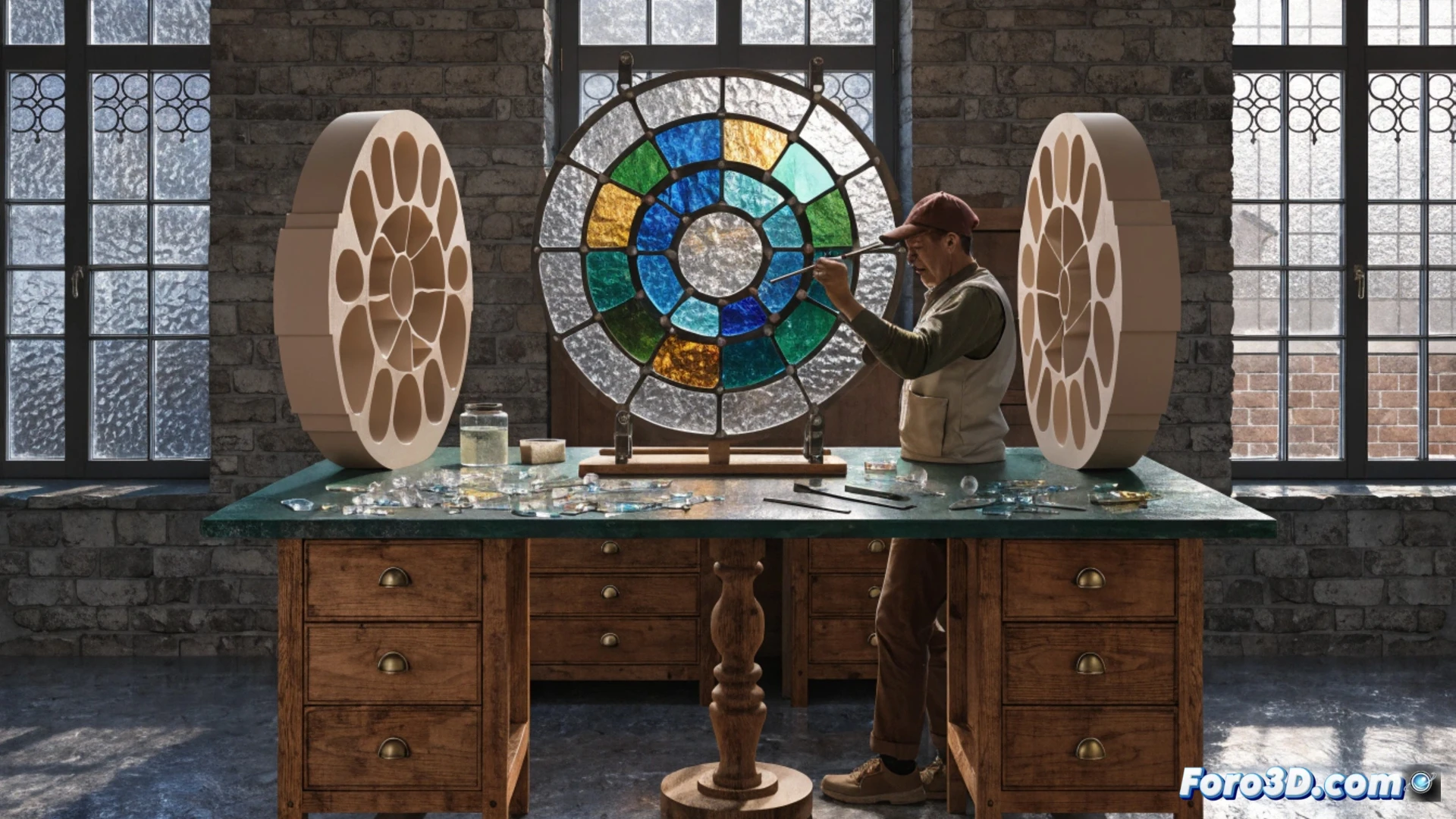
Software and workflow for the workshop 🛠️
To get started, you need 3D modeling software like Fusion 360 or Blender, both with free versions. You design the outline of the piece and export the STL file. Then, you use a slicer like Cura or PrusaSlicer to prepare the print. An FDM printer with PLA or PETG filament is sufficient. The process is straightforward: measure, model, print, and use the template as a guide for the glass cutter.
When glass gets more stubborn than the software 😅
Of course, it's not all sunshine and roses. You spend two hours modeling a perfect template, print it, and on the first try, the glass breaks right along the line it shouldn't have. The computer isn't to blame, but you glare at it with hatred. That said, at least you won't have to blame a bent piece of cardboard. Technology doesn't prevent cuts, but it gives you more modern excuses for your failures.