The new film by Takahisa Zeze, based on the novel by Kanae Minato, delves into a mother's pain after her daughter's death. The film explores revenge and loss, but does so with an enthusiasm that borders on gratuitous. The narrative focuses on human misery without offering a reflection that transcends the mere exhibition of suffering, leaving the viewer with a sense of emptiness.
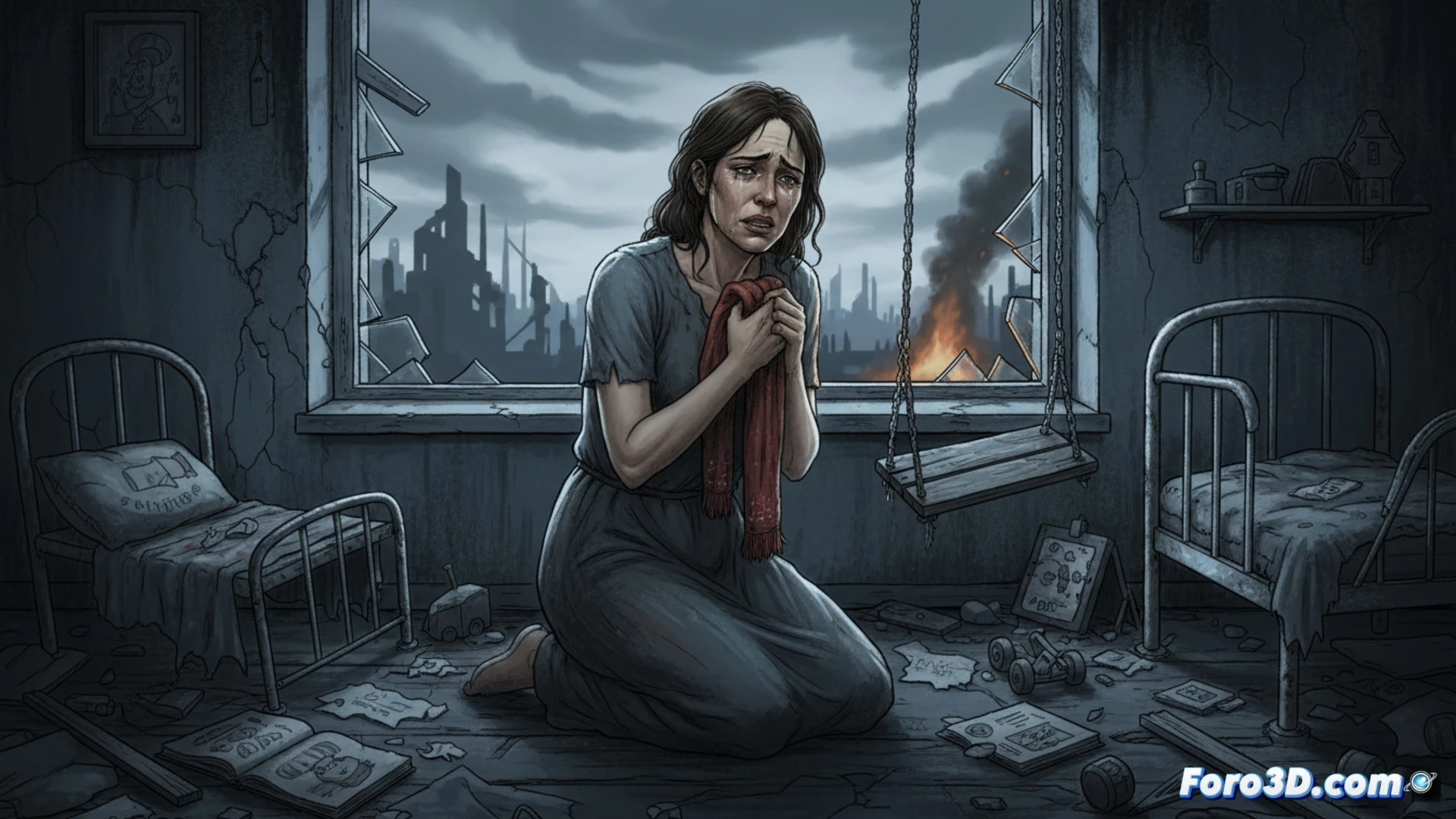
A staging that reinforces the narrative void 🎬
Zeze uses sober cinematography and close-ups to isolate the characters in their pain. The soundtrack, with minimalist chords, accentuates the tension without adding nuance. However, the editing overuses silences and pauses, seeking a catharsis that never arrives. The direction seems more interested in immediate emotional impact than in building a structure that allows the audience to process the trauma. The result is technically competent but lacks the subtlety needed to prevent the viewer from feeling trapped in a loop of anguish.
Revenge, but on a small budget for reflection 🔨
Watching the mother seek revenge is like watching someone try to fix a dripping faucet with a sledgehammer: flashy, but disproportionate. The film makes you want to cry as much as it makes you wonder if the director lost a bet and had to include a rain scene every fifteen minutes. In the end, you leave the cinema with the certainty that, if pain were a dish, here it is served raw and unsalted.