3D technology is transforming the traditional auction. It is no longer enough to describe an object; now it can be scanned in 3D so remote buyers can examine it as if they were holding it in their hands. A clear example: an ancient vase is digitized, uploaded to the platform, and bidders rotate, zoom in, and analyze every imperfection before bidding. This reduces returns and increases trust in blind purchases.
Key tools for digitizing and selling 🛠️
To start, a 3D scanner like the Einscan Pro HD or the Revopoint POP 3 captures geometries with millimeter precision. Then, programs like Blender or MeshLab clean the mesh and correct errors. For real-time visualization on the web, Unity or Sketchfab allow embedding interactive models. Finally, platforms like LiveAuctioneers or Invaluable integrate these files so the bidder can view the lot from any angle without being present.
When the star lot is a digital still life 🖼️
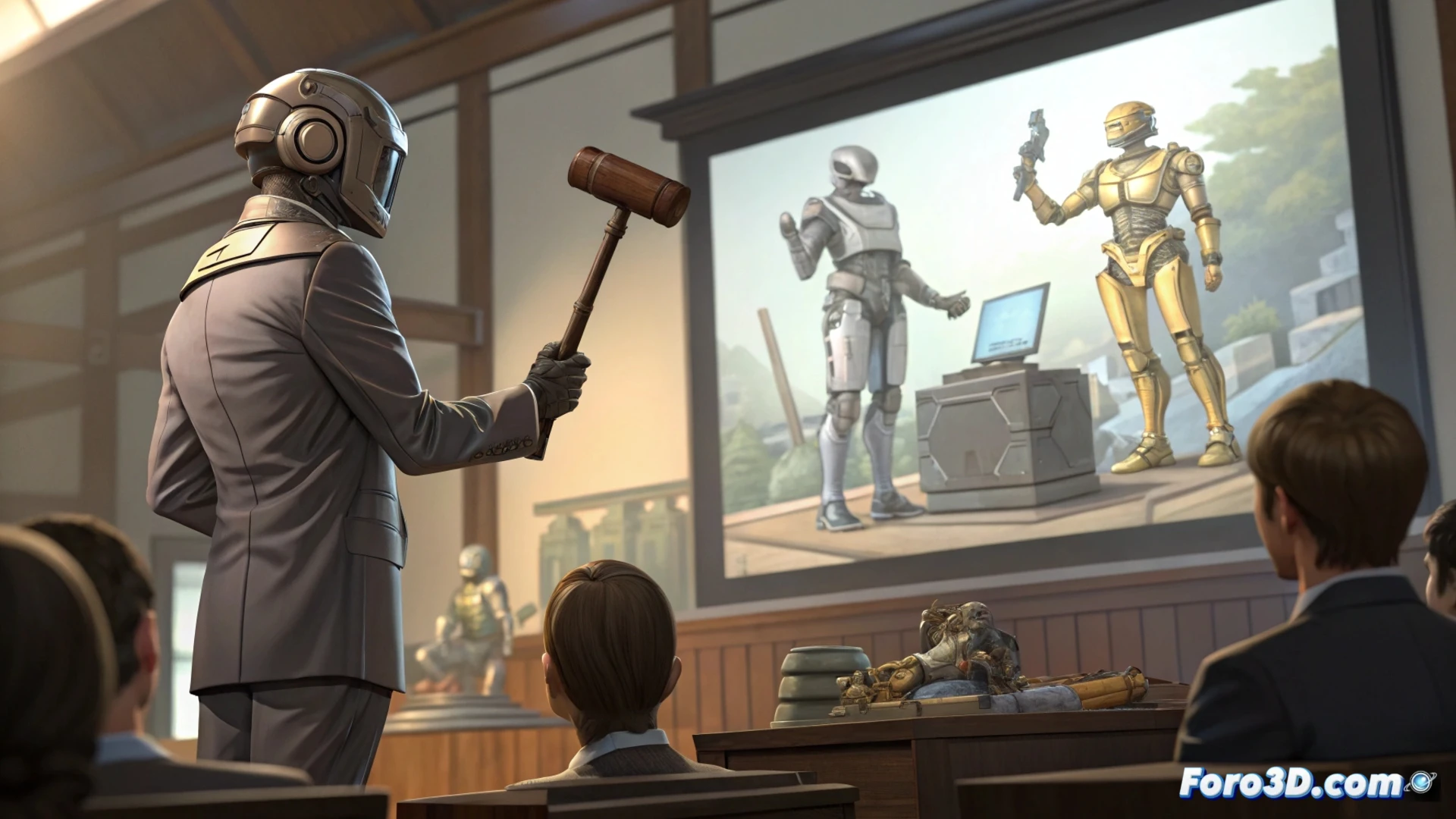
Imagine the auctioneer with his usual gavel, but the giant screen shows a 3D model of a painting. One bidder shouts: I'll give it a right-click and another responds: Well, I'll add an X-ray filter to it In the end, the winner takes home the .obj file and an NFT certificate. The best part: if the painting falls off the wall, no problem. You just have to reprint it in resin. Of course, the bid for the original frame is still in cash.