Quantum computing promises profound changes, but its mass adoption will not come with more noisy qubits. As happened with PCs, mobile phones, and artificial intelligence, the decisive factor will be software. The abstraction layer that hides hardware complexity and offers useful applications will mark the true turning point.
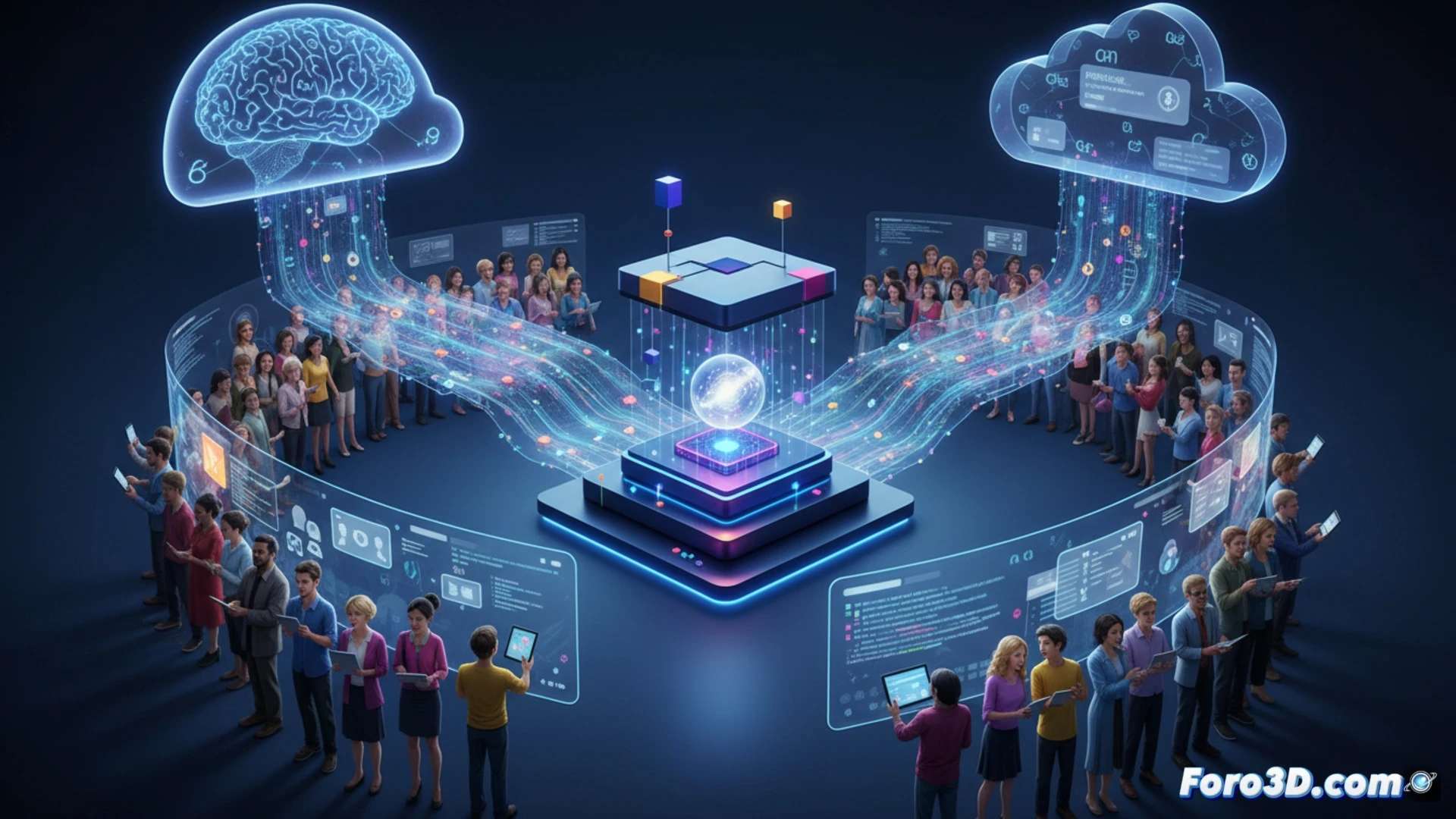
From noisy hardware to functional applications 🚀
Advances in error correction, quantum compilation, and new programming languages are paving the way. Companies like IBM, Google, and specialized startups are working on frameworks that allow ordinary developers to write quantum code without understanding the underlying physics. The goal is to create an ecosystem where quantum computing solves real problems in logistics, chemistry, or finance without requiring a PhD in quantum mechanics.
Quantum for dummies, version 1.0 🤖
Soon we will see an assistant that tells you: I have optimized your delivery route using quantum superposition. You will nod, even though the algorithm actually just decided that turning left was better than turning right. But hey, it sounds more impressive and justifies the SaaS bill. Just like with ChatGPT, what matters is not how it works, but that the user doesn't have to know.