The 1980s transformed shonen manga definitively. We moved from linear adventures to stories that explored the psychology of their characters, sports drama, and violent dystopias. Works like Hokuto no Ken, Dragon Ball, and Fist of the North Star laid the narrative foundations that modern manga still uses. It's not nostalgia: those comics had a very solid narrative identity.
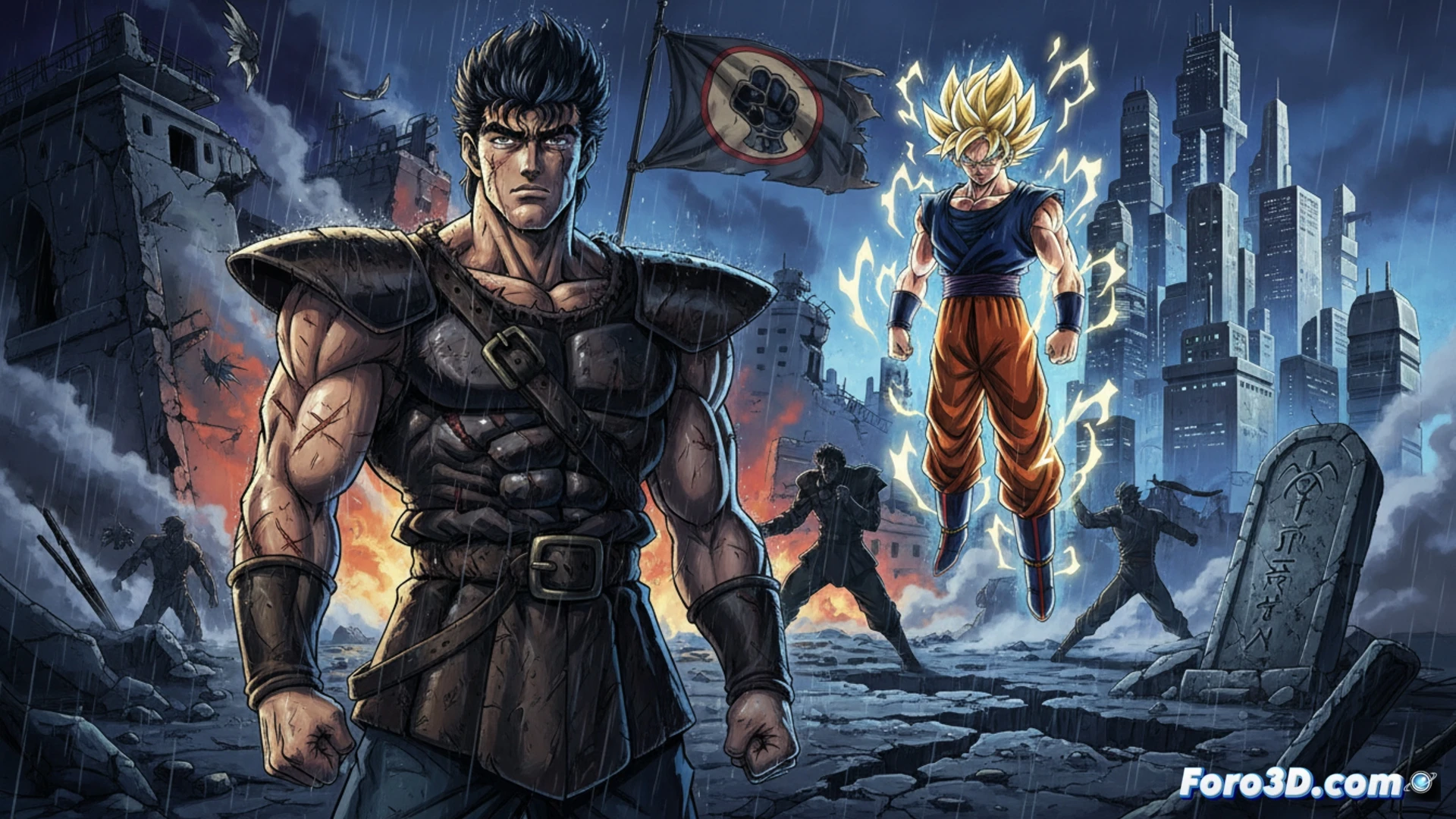
From manual drawing to author-driven narrative: the technology that drove the change 🚀
The Japanese publishing industry experienced a technical revolution in the 80s. Improvements in rotary presses allowed for massive weekly print runs, and the popularization of photocomposers streamlined inking processes. This freed up time for mangakas to focus on more complex scripts and the development of long story arcs. Magazines like Weekly Shonen Jump optimized their publishing systems, allowing series with serialized structures and cliffhangers to achieve unprecedented distribution. Technology didn't create talent, but it did give it room to grow.
How to survive a shonen fight without paying the mortgage 💥
If you try to read an 80s manga today without context, you'll encounter characters who take entire chapters to transform, villains who explain their plan for three pages, and protagonists who sweat more than an office worker in August without air conditioning. But that's where its charm lies: they were in no hurry. The fights lasted as long as they needed to, the dialogues were theatrical, and the punches were accompanied by crushing one-liners. All of this without needing a paid DLC.