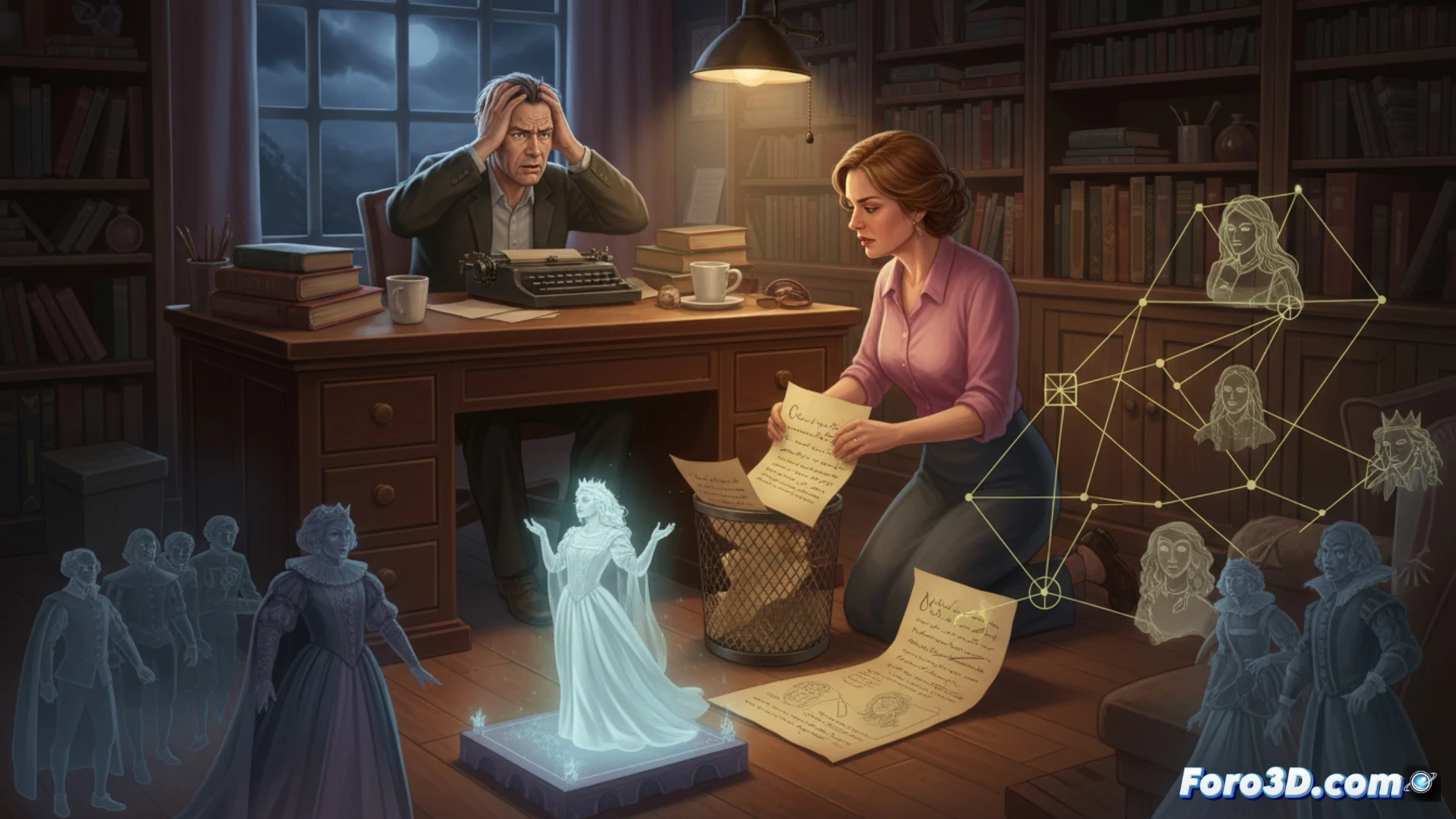
Stephen King almost abandoned his career when he threw the first pages of Carrie in the trash. His wife Tabitha rescued them and convinced him to continue. What we didn't know is that, according to professor Caroline Bicks, King's works hide hidden patterns of narrative structure that connect with Elizabethan theater and character development techniques that any screenwriter should study.
Narrative patterns: the engine of tension in software development 📘
Bicks analyzes how King builds layers of information that the reader discovers gradually, similar to logging systems in complex applications. Each clue is an event that triggers a chain reaction, like a poorly debugged callback. If we apply this to development, the source code of a King novel works like a well-versioned repository: each commit contributes a detail that modifies the global state of the plot. Ignoring these patterns is like deploying without tests: the result is chaotic.
The moral: don't throw the code in the trash (even if it stinks) 💡
The lesson is clear: if King had followed his instinct to delete the first draft, today he would be the king of hamburgers on a highway in Maine. His wife, with the eye of a product owner, knew how to see value where there was only trash. So now you know: before doing a git reset --hard on your project, hand the keyboard to someone you trust. Sometimes what looks like a bug is the feature that will make you a millionaire.