In 2026, the wearable market exceeds $81 billion annually. Smart rings, augmented reality glasses, glucose patches, and sensor-laden clothing are proliferating. However, after testing more than 20 devices over four years, the smartwatch remains the most practical device for the average user, integrating health, notifications, and contactless payments.
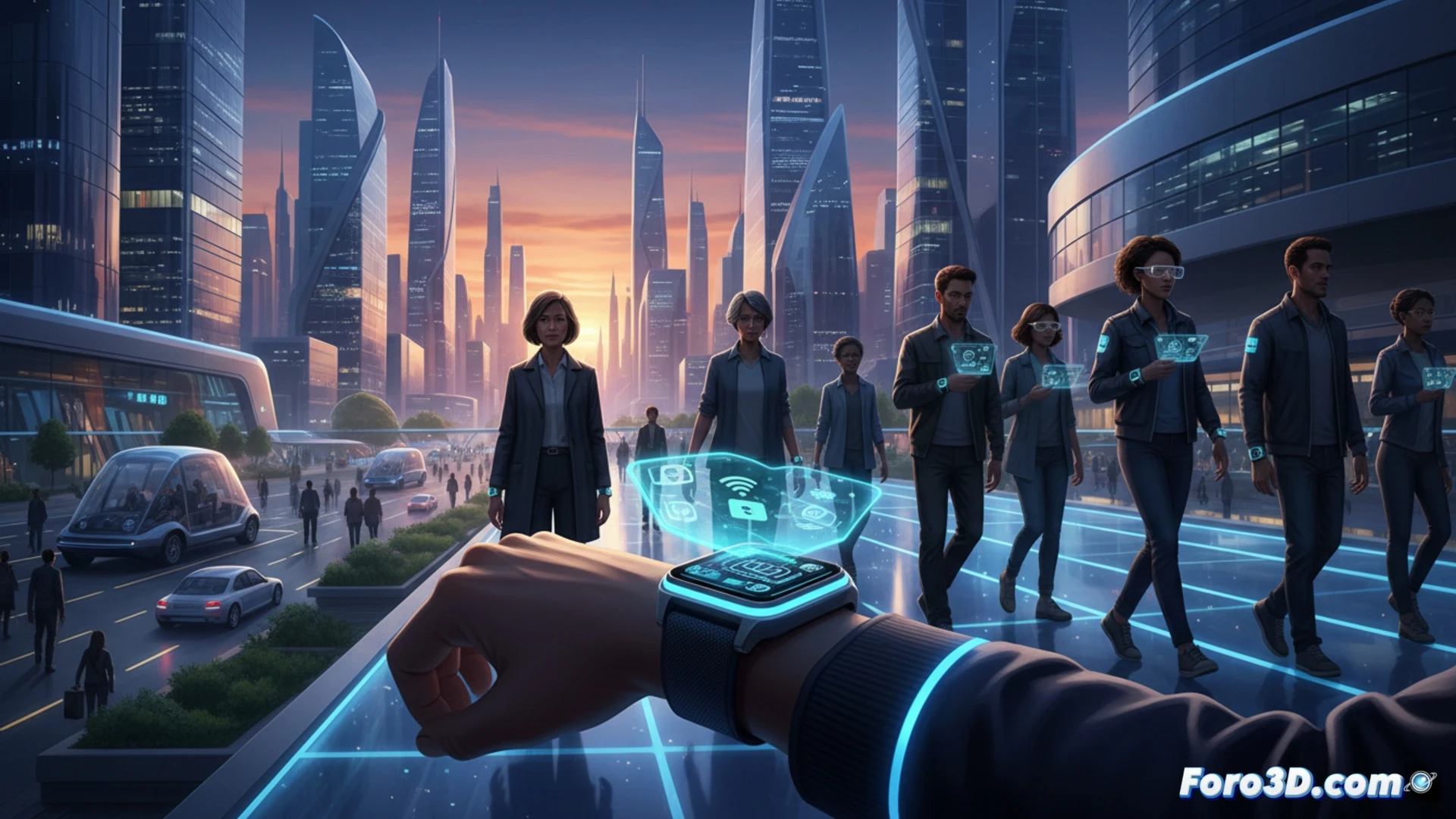
Sensors and battery life: the quiet evolution of hardware ⌚
Current smartwatches integrate next-generation optical sensors for ECG, SpO2, and skin temperature, with accuracy comparable to basic medical devices. Battery life has improved to two weeks thanks to low-power processors and solid-state batteries. Additionally, UWB connectivity enables faster and more precise contactless payments. Smart rings, while discreet, lack a screen for complex notifications.
I bought a smart ring and only found out I sleep poorly 💤
Smart rings promise to be the discreet revolution, but after a week of use, the only thing I learned is that I sleep terribly and my heart rate spikes when I see an email from the boss. Augmented reality glasses, on the other hand, made me crash into a trash can. In the end, the smartwatch remains that nagging friend who reminds you that you've been sitting for eight hours, but at least it doesn't force you to look at your phone.