Artificial intelligence promises to free us from the tedious: writing emails, organizing schedules, or choosing a partner. But by delegating our judgment to an algorithm, we stop thinking for ourselves. We discover too late that we traded our soul for a tool that does not feel, does not doubt, and never makes mistakes. Yet, it also fails to get what truly matters right.
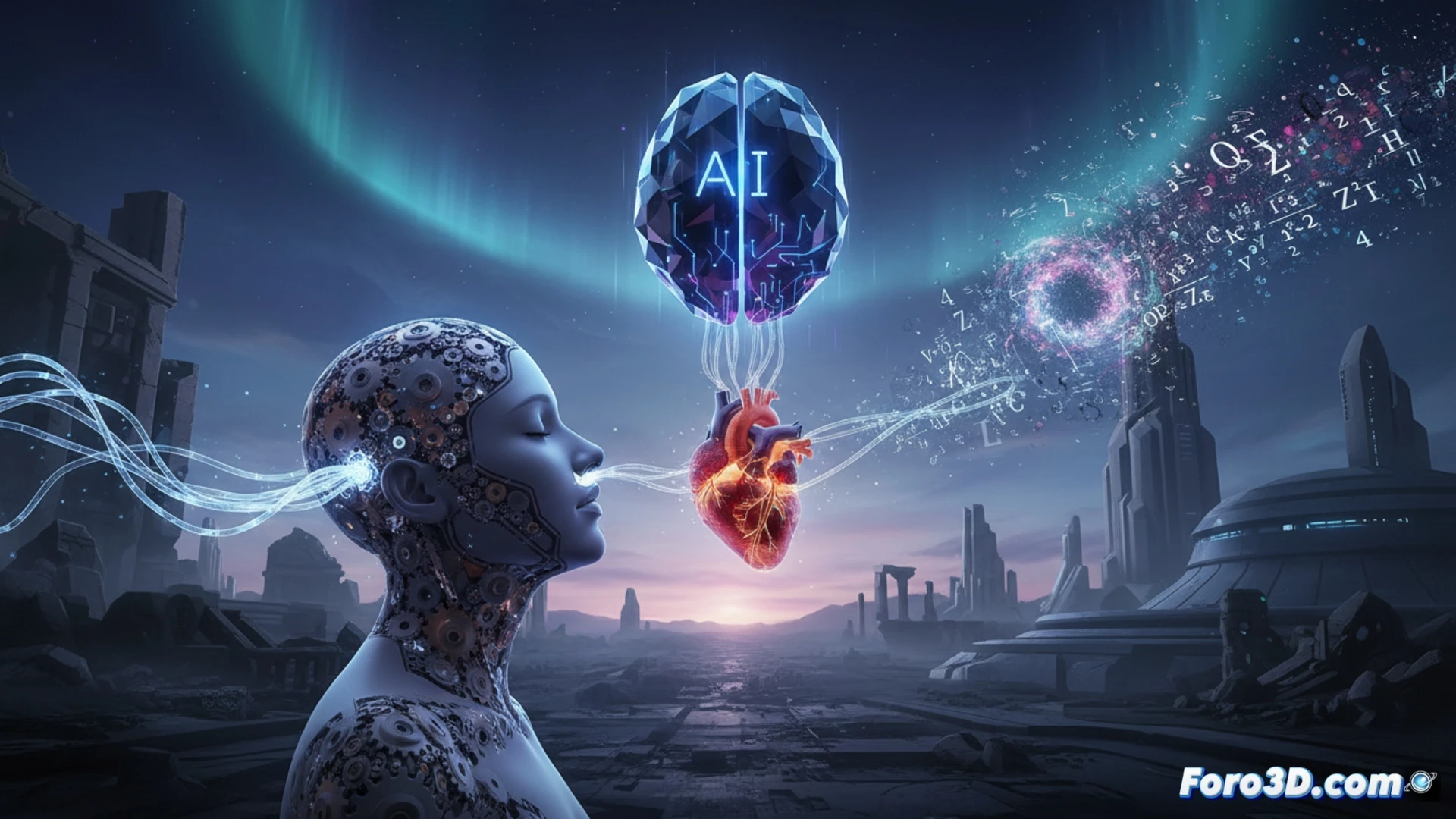
How AI Replaces Human Judgment in Code 🤖
Current machine learning models process historical data to predict outcomes, but they lack emotional or ethical context. A recommendation system does not distinguish between a healthy relationship and a toxic one; it only optimizes clicks. In development, frameworks like TensorFlow or PyTorch allow automating decisions, but the programmer cedes control to a black box. The risk is real: when the algorithm fails, there is no human judgment to correct it in time.
Siri, Should I Decide What to Eat for Breakfast or Think for Myself? 🍽️
Now it turns out I need to ask an app whether I should order a pizza or a salad. My virtual assistant suggests the pizza because I have a 73% probability of choosing it according to my data. But of course, the AI doesn't know that yesterday I had a heavy dinner and that today my stomach needs a break. In short, I eat what the algorithm says, I feel sick, and on top of that, the app congratulates me for following the trend. Ironies of digital life.