The figure of the influencer has gone from being a trend to a consolidated profession, but without a clear regulatory framework to protect their health. The occupational risk analysis of this trade reveals constant exposure to extreme psychosocial factors: algorithmic stress, mental fatigue, and digital harassment. The pressure to maintain engagement turns content creation into an endless race with no finish line.
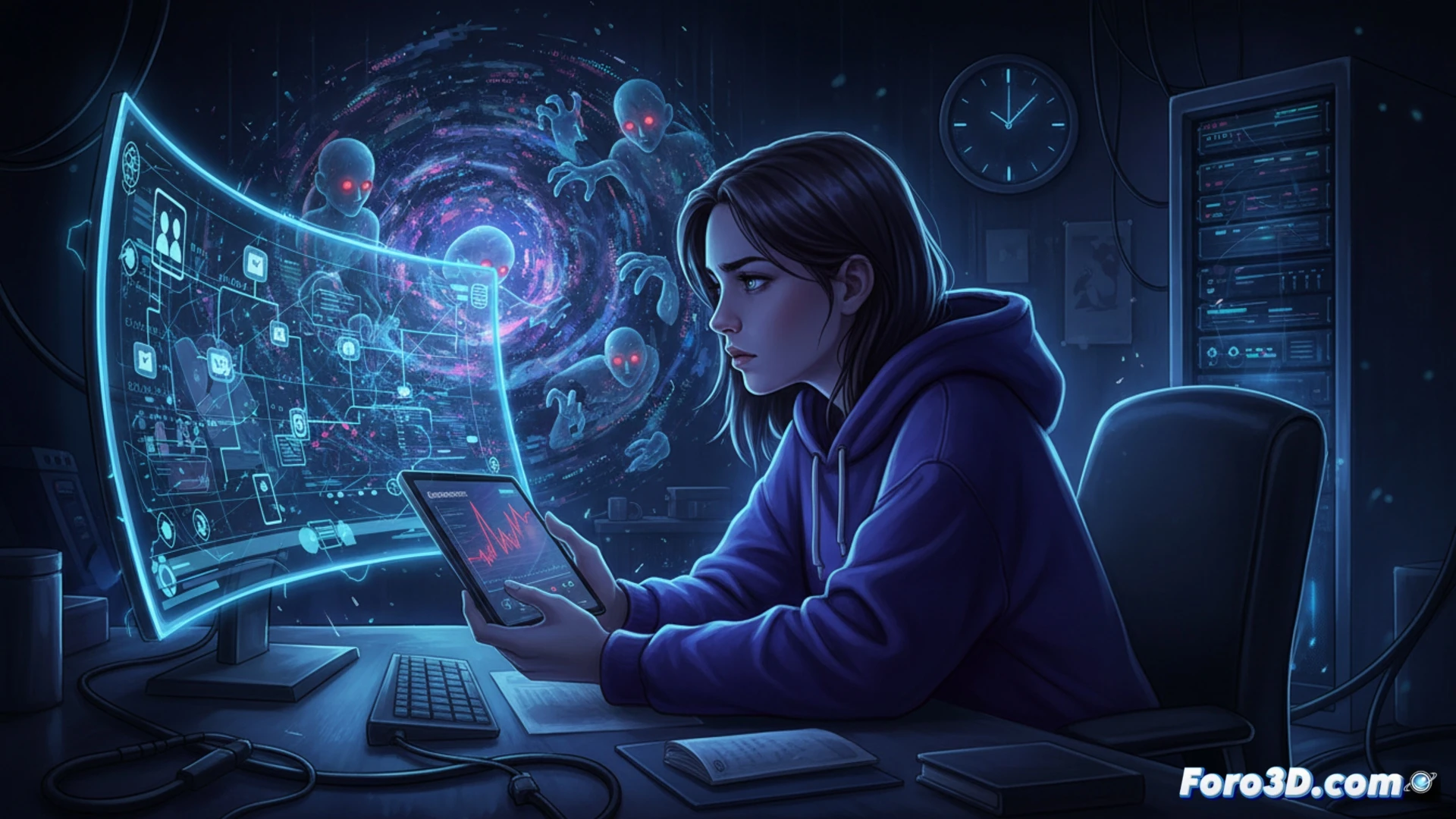
Anatomy of algorithmic stress: metrics and mental fatigue 🧠
The algorithms of platforms like Instagram and TikTok operate as an invisible and unpredictable boss. The creator lives in a cycle of digital validation where every like, comment, or share conditions their mood and income. This system generates chronic mental fatigue by demanding constant production to avoid losing visibility. Added to this is the moderation of toxic communities, where harassment and criticism become a daily risk factor. Performance anxiety and fear of cancellation are symptoms of a work environment where the engagement metric is the only yardstick.
Systemic solutions: digital compliance and occupational health ⚖️
To mitigate these risks, a hybrid approach of digital compliance and mental health is required. Platforms must implement proactive moderation tools that reduce exposure to harassment, while creators need protocols to manage irregular schedules and forced postures. The solution is not to abandon the network, but to design interaction flows that prioritize active breaks, screen time limits, and a conscious disconnection from instant validation metrics.
Is it ethical for a digital platform to determine the value of an influencer's work through opaque algorithms, without human intervention or the possibility of appeal, when there is no legal framework guaranteeing their labor rights?
(PS: the Streisand effect in action: the more you ban it, the more they use it, like 'microslop')