Drug fishing boats and drug sailboats intercepted in Canary Islands waters do not only transport drugs. Agents of the Customs Surveillance Service describe extreme unsanitary conditions: accumulated garbage, constant humidity, mold in every corner, and a plague of rodents and insects. The stench is so intense that many prefer to sleep on deck rather than go down to the hold. Once moored in Canarian ports, these boats are left without adequate sanitary control, exposing the population to public health risks.
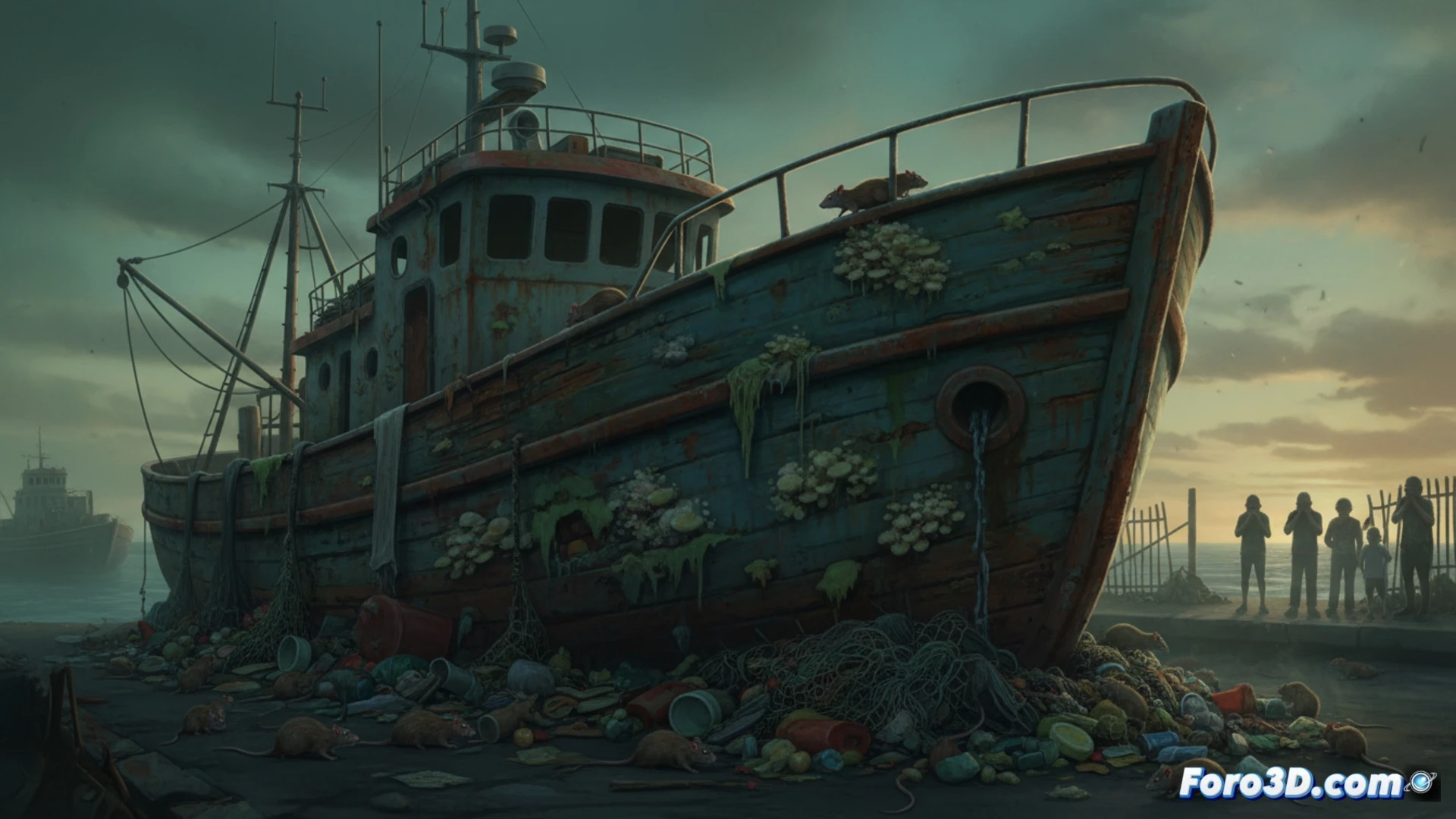
The sanitary control technology missing in Canarian ports 🚢
The arrival of these vessels at Canarian ports reveals a gap in biosecurity protocols. While the drugs are seized and destroyed, the boat's structure, soaked with humidity and decomposing organic matter, becomes a source of infection. There are no automated disinfection systems or quarantine protocols for these hulls. High-capacity nebulization equipment, humidity sensors, and forced ventilation systems are required to neutralize fungi and bacteria before they affect port workers and the environment.
The five-star resort nobody wants: cabins with rats and humidity air conditioning 🐀
If there were a travel agency specializing in drug fishing boats, the advertising campaign would be a disaster: Rooms with sea views, as long as you don't smell the cabin. Organic bedding, literally, because the fungi have already decomposed it. And a room service with rodents included, courtesy of the house. Customs agents, true critics of this resort, prefer to sleep outdoors rather than sample the first-class suites. Of course, the return trip to dry land is priceless.