Gold retains its brilliance intact for centuries without oxidizing or tarnishing, a phenomenon due not to magic but to its atomic structure. Its chemical inertness, explained by the arrangement of its outer electrons, prevents it from reacting with oxygen or sulfur in the air. This natural resistance makes it the ideal material for jewelry and electronic contacts.
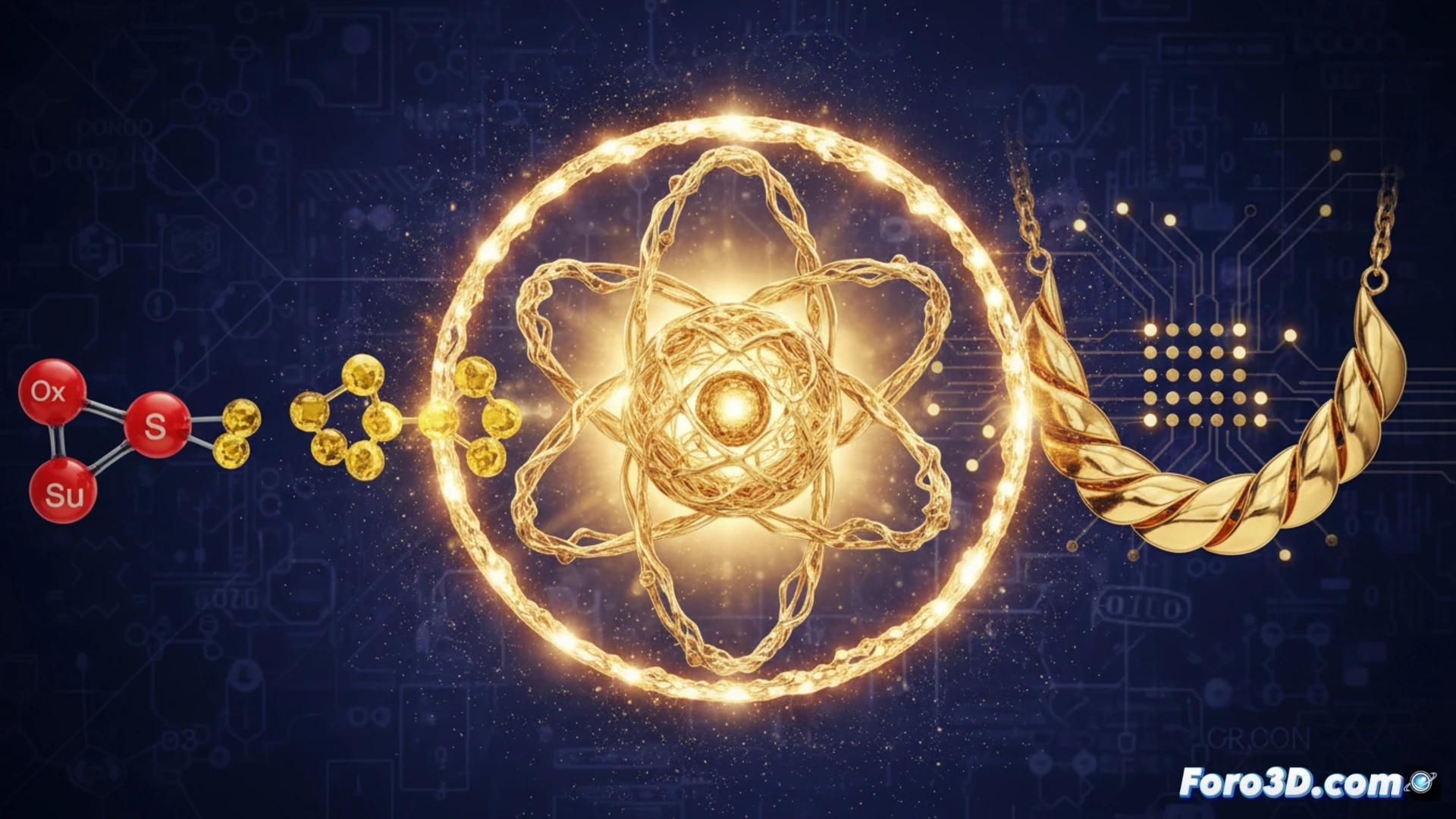
How Gold's Atomic Chemistry Inspires New Anti-Corrosion Materials 🔬
Researchers have discovered that gold's surface can rearrange its atoms to minimize surface energy, remaining stable and highly reflective. This property, which prevents the formation of oxides or sulfides, opens the door to designing more efficient catalysts and corrosion-resistant coatings. By understanding this atomic mechanism, scientists seek to replicate it in more affordable alloys, extending the lifespan of components exposed to harsh environments.
The Metal That Thinks It's Superior and Doesn't Even Get Tarnished by Envy 😏
While other metals like iron rust and copper turns green, gold remains impassive, like that friend who never sweats at the gym. Its secret is not an expensive beauty treatment, but a chemical laziness that prevents it from reacting with almost anything. If gold were a person, it would be that friend who never gets involved in others' dramas. At least it serves as inspiration for scientists to dream of creating materials that also know how to dodge problems.