The gaming community has once again pointed fingers at an actor for the decline of a video game, repeating a pattern where anger is misdirected toward people with no decision-making power. Instead of holding the studios that manage development accountable, attacks are aimed at performers who are simply doing their jobs. This dynamic reflects a contradiction: those who love a product harm someone who cannot change it.
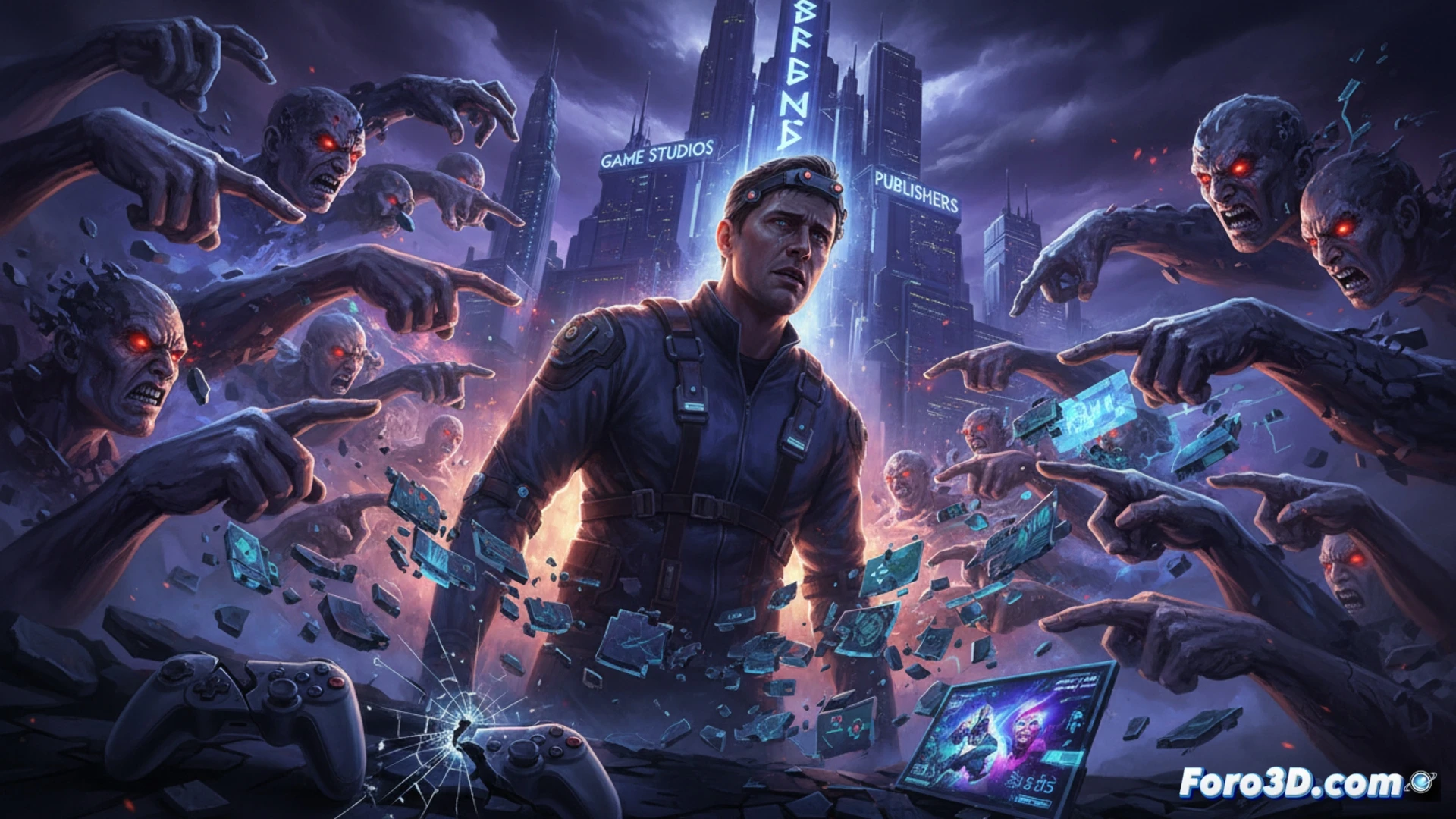
Technical development: the chain of decisions we ignore 🎮
Video games are complex products where key decisions fall on executives, producers, and design teams, not on actors or secondary workers. A studio can cut budgets, change artistic direction, or rush releases without an actor having any say. Channeling criticism toward those who manage resources and define mechanics is more effective than wearing oneself out over peripheral figures. Transparency in development processes would help separate legitimate debate from personal hatred.
The art of confusing the messenger with the message 🎯
It's curious to see how some players, experts at finding bugs and exploits, fail to pinpoint the source of the problem. Blaming the actor of the moment is like blaming the pizza delivery person because the dough is undercooked. Meanwhile, studio executives rub their hands together watching the community fight among themselves. Perhaps the real final boss is not a dragon, but the lack of judgment to distinguish who truly decides.