Modern society praises constant efficiency while ignoring that this pace leads us to mental collapse. Byung-Chul Han points out the hypocrisy of demanding uninterrupted results while promoting well-being. Reducing the workday without salary loss and integrating leisure time into schools and companies is a necessity, not a luxury.
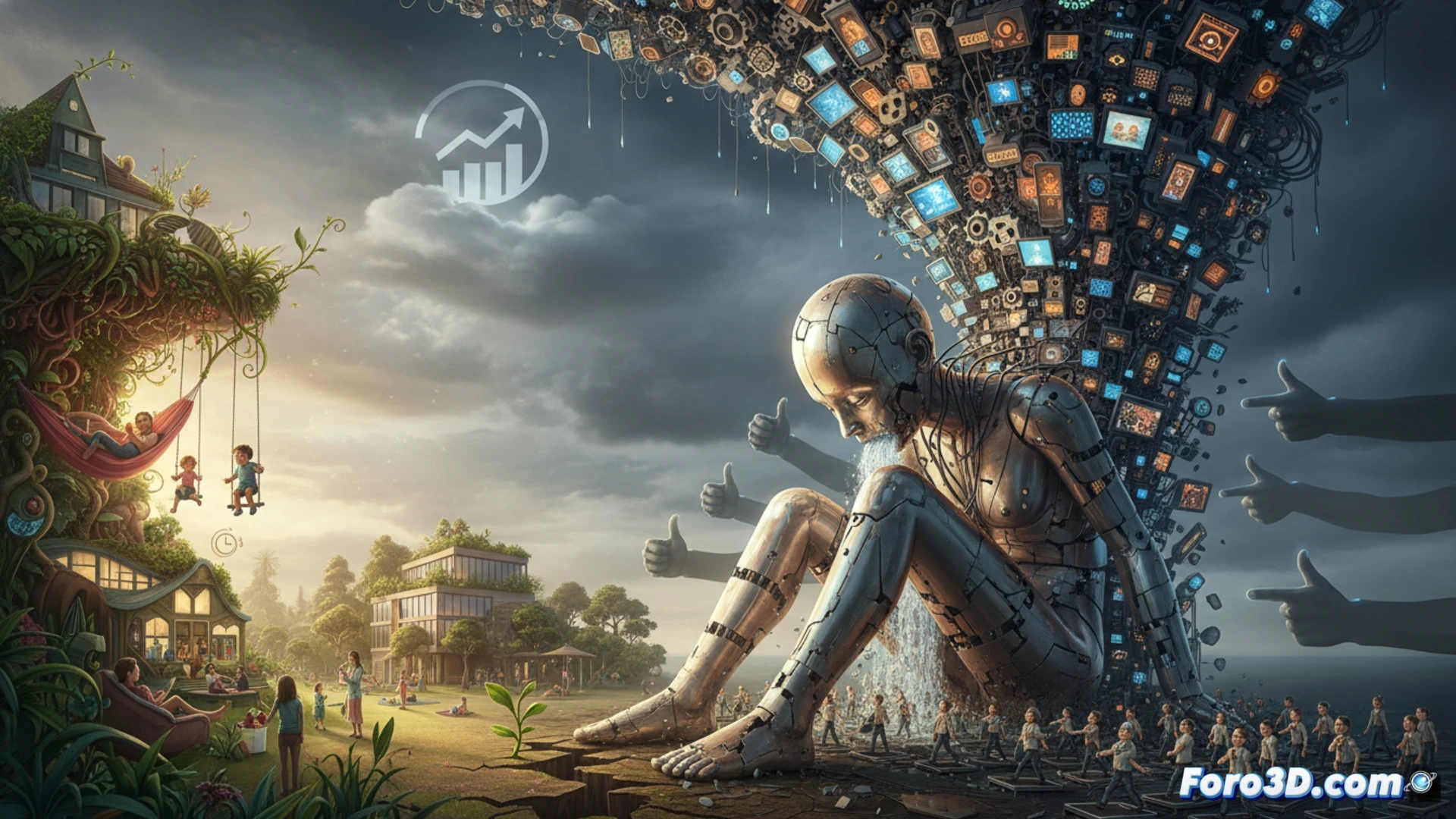
How technology accelerates collective burnout ⚙️
Digital tools and automation promised to free us from repetitive tasks, but in practice they have intensified the demand for constant availability. Messaging apps and management software turn any free moment into an opportunity to produce. The technical solution is not to create more productivity apps, but to design systems that respect mandatory disconnection times, such as blocking timers or server access limits outside of work hours.
The club of those who retire at 35 due to stress 😵
Now it turns out the recipe for success is to work as if there were no tomorrow until the body says enough. Then the wellness gurus come along to sell you mindfulness courses so you can better endure the same routine. If we value efficiency so much, perhaps we should calculate how profitable it is to collapse at 40 and spend the rest of your life in rehabilitation. But of course, that doesn't sell subscriptions.