The digital revolution promised virtual consultations, AI diagnoses, and robotic surgery as the pinnacle of progress. However, in this advancement, the doctor has stopped touching the patient. The palpating hand disappears, the patient becomes a code of symptoms, and although the body is healed, the comfort, the shared silence, and that look that said you are not alone are lost.
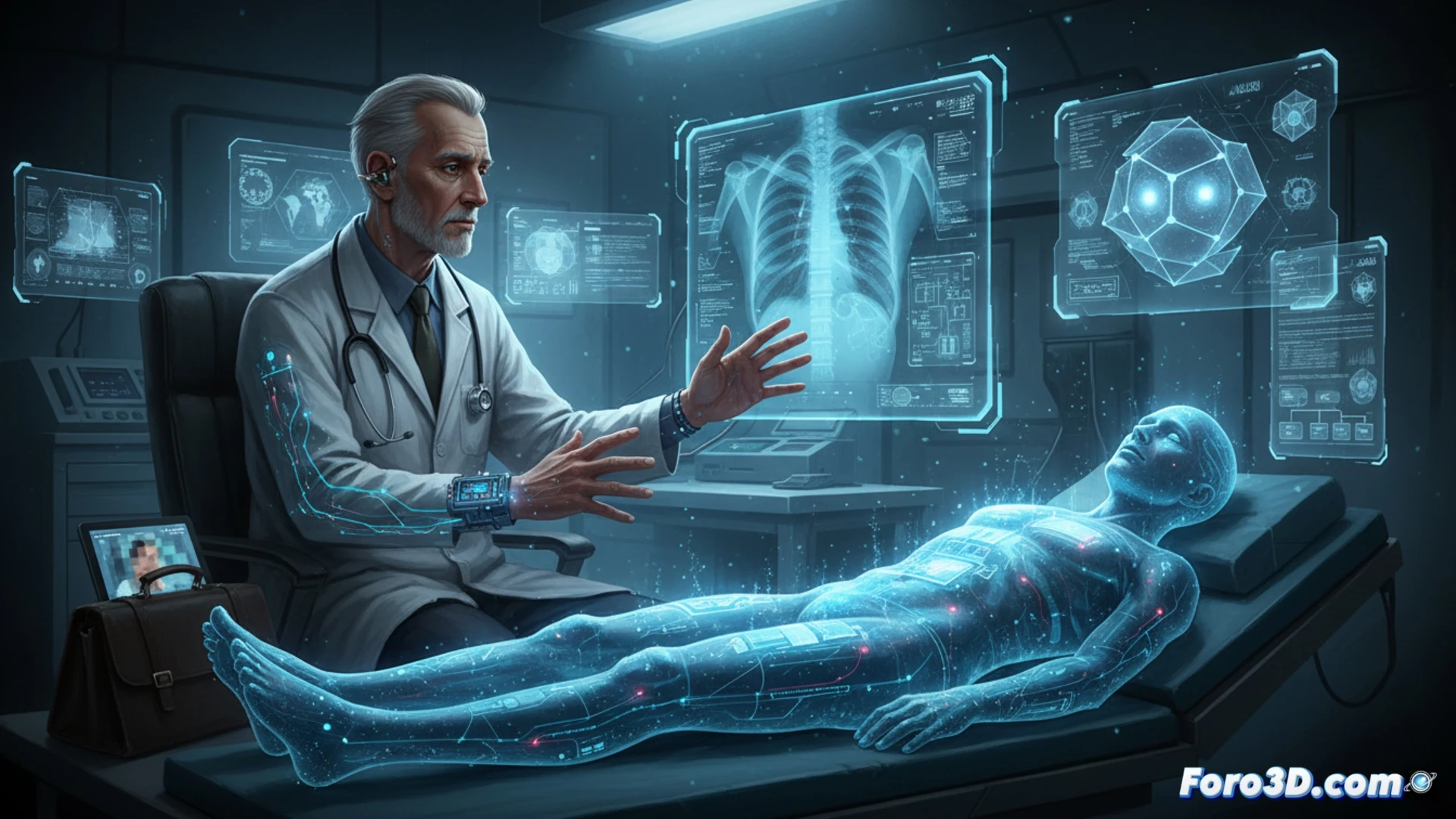
Remote diagnosis: cold algorithms and screens that don't palpate 🤖
Artificial intelligence systems process thousands of data points per second, identify patterns, and suggest treatments with statistical precision. But an algorithm does not perceive the trembling of a hand when recounting a symptom, nor the cold sweat of anxiety. Telemedicine bridges distances but eliminates direct physical examination. The patient goes from being a person to a digital file, where touch, that human gesture that conveyed security, has been replaced by an online form.
Prosthetics of empathy: when the robot doesn't pat you on the back 😅
Now the consultation is a chat and the diagnosis, an algorithm. The doctor looks at you through a webcam while you tell him your ailments from the couch. Sure, technology advances: soon a robot will tell you you have a cold with the same warmth as a voice assistant. But if your heart skips a beat, don't expect it to hold your hand; most likely, it will send you a link to a heart rate monitor. Progress, they call it.