A team of scientists has deciphered the molecular changes that occur in the brain during normal aging, without the presence of Alzheimer's. The study maps how gene expression and protein activity vary across different brain regions over time. This finding opens the door to new therapies for maintaining cognitive function in old age, focusing on specific cellular processes rather than combating already established diseases.
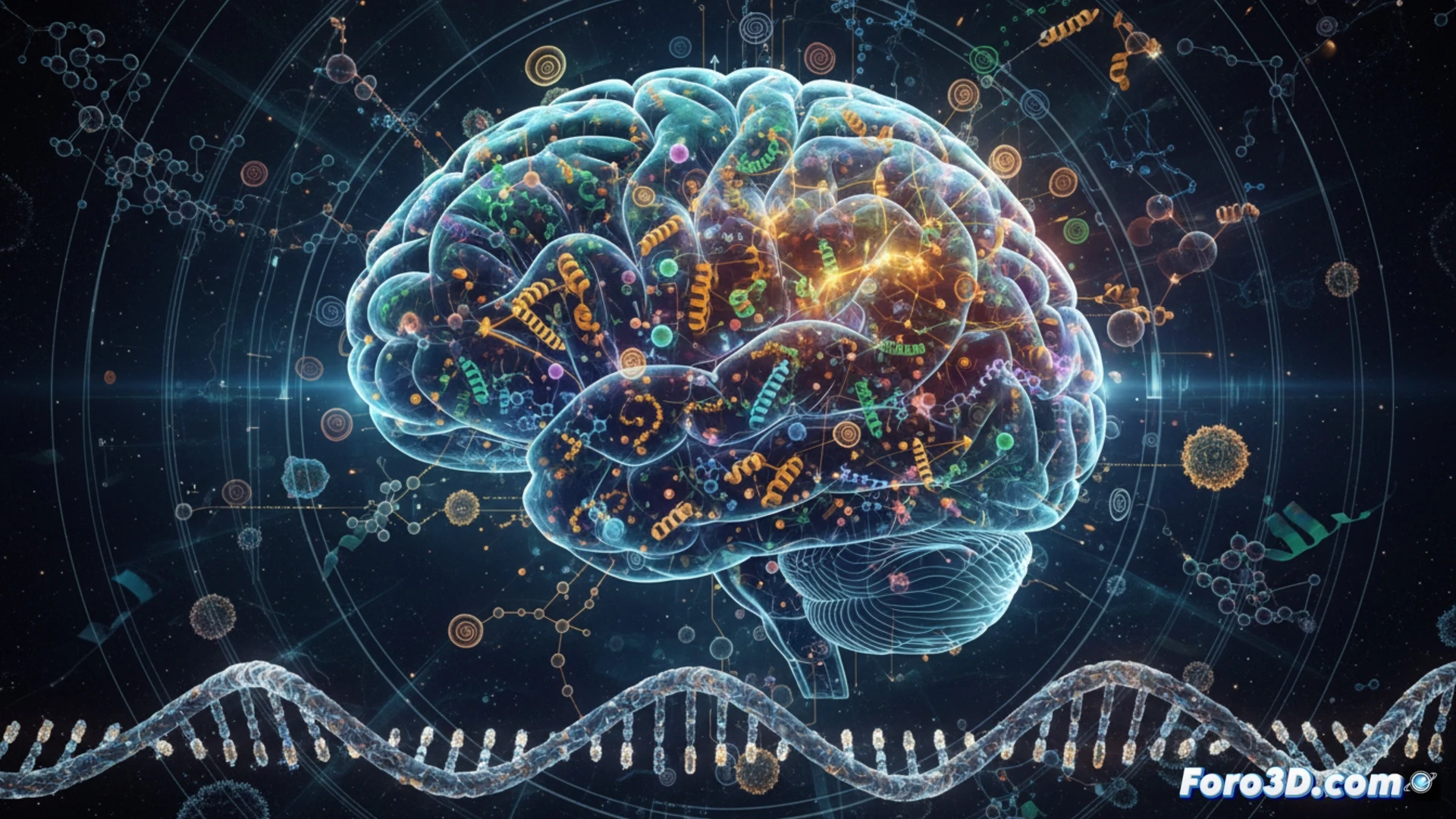
The technology behind brain mapping 🧬
To achieve this map, researchers employed single-cell RNA sequencing techniques and high-resolution mass spectrometry. They analyzed post-mortem tissue from healthy donors of different ages, comparing regions such as the hippocampus and prefrontal cortex. The data revealed gene expression patterns that become dysregulated with age, affecting DNA repair pathways and oxidative stress response. The use of machine learning algorithms allowed the identification of key proteins in this process, offering precise targets for future drugs.
The old brain is not a failure, it's an update 🧠
So it turns out that the brain, like that phone that can no longer hold a charge, slows down due to predictable molecular changes and not because it has forgotten how to function. Scientists now want to create therapies to prevent the hippocampus from going on strike. Next time you forget where you left your keys, it won't be Alzheimer's fault, but because your genes have decided to take a vacation. Good thing the map is already here, so we don't get lost.