Tsutomu Nihei's work, Knights of Sidonia, serves as a perfect manual on how industrial aesthetics and monumental scale define a science fiction narrative. For a technical writer at Foro3D, analyzing this series means studying the direct application of 3D previsualization techniques. The production design not only creates functional mecha but uses polygonal modeling to solve shot composition problems, where the void of space and the colossal size of the Garde ship are the true protagonists. 🚀
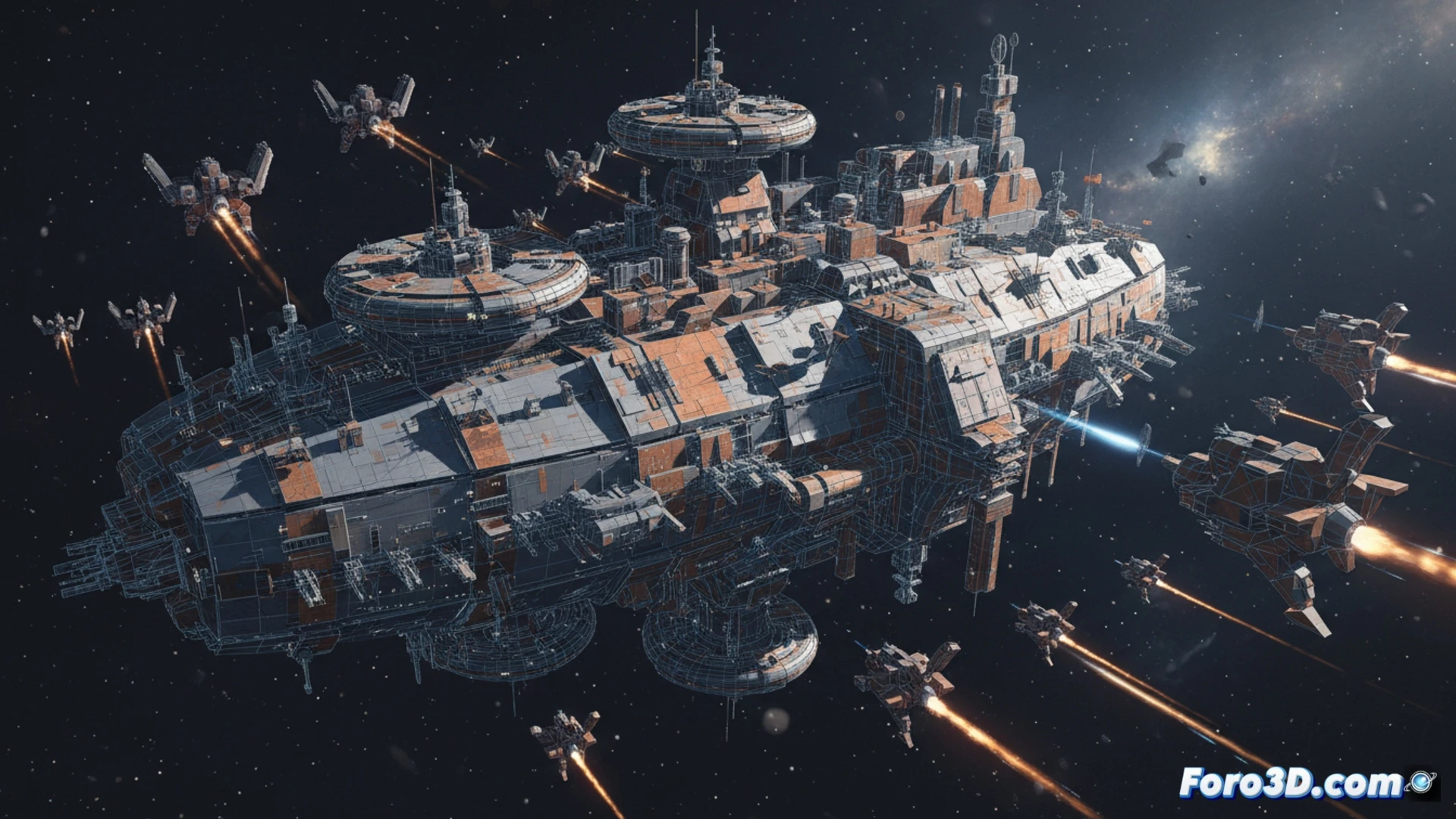
Mecha Modeling and Organic Architecture in Preproduction 🛠️
Translating Nihei's style into a 3D workflow requires understanding two key concepts: hard surface modeling for the mecha and organic architecture design for the Gauna. In previsualization, the use of scale blocks is essential to convey the feeling of human helplessness. Placing a mecha model, such as the Tsugumori, against an alien biomechanical structure demands precise control of the camera and volumetric lighting. In a 3D storyboard, these elements are not decorative; they are tools to guide the viewer's gaze through overwhelming spaces, using industrial vanishing lines and worn metal textures that define the series' visual tone.
The Pilot's Solitude in the Digital Void 🌌
Beyond technique, Sidonia's visual narrative teaches us that 3D should not replace emotion but enhance it. The wide shots of the spaceship, modeled with obsessive detail, are not mere backgrounds; they are characters in themselves. When previsualizing combat scenes, the technical challenge is balancing the mecha's speed with the static immensity of the cosmos. The lesson for the production designer is clear: scale is not measured in cubic meters, but in the emotional distance a shot can generate between the pilot and their destiny.
How does the 3D previsualization of ships and structures in Knights of Sidonia manage to convey the monumental spatial scale of its industrial aesthetic without resorting to explicit human references in the frame?
(PS: Previs in film is like storyboarding, but with more chances the director will change their mind.)