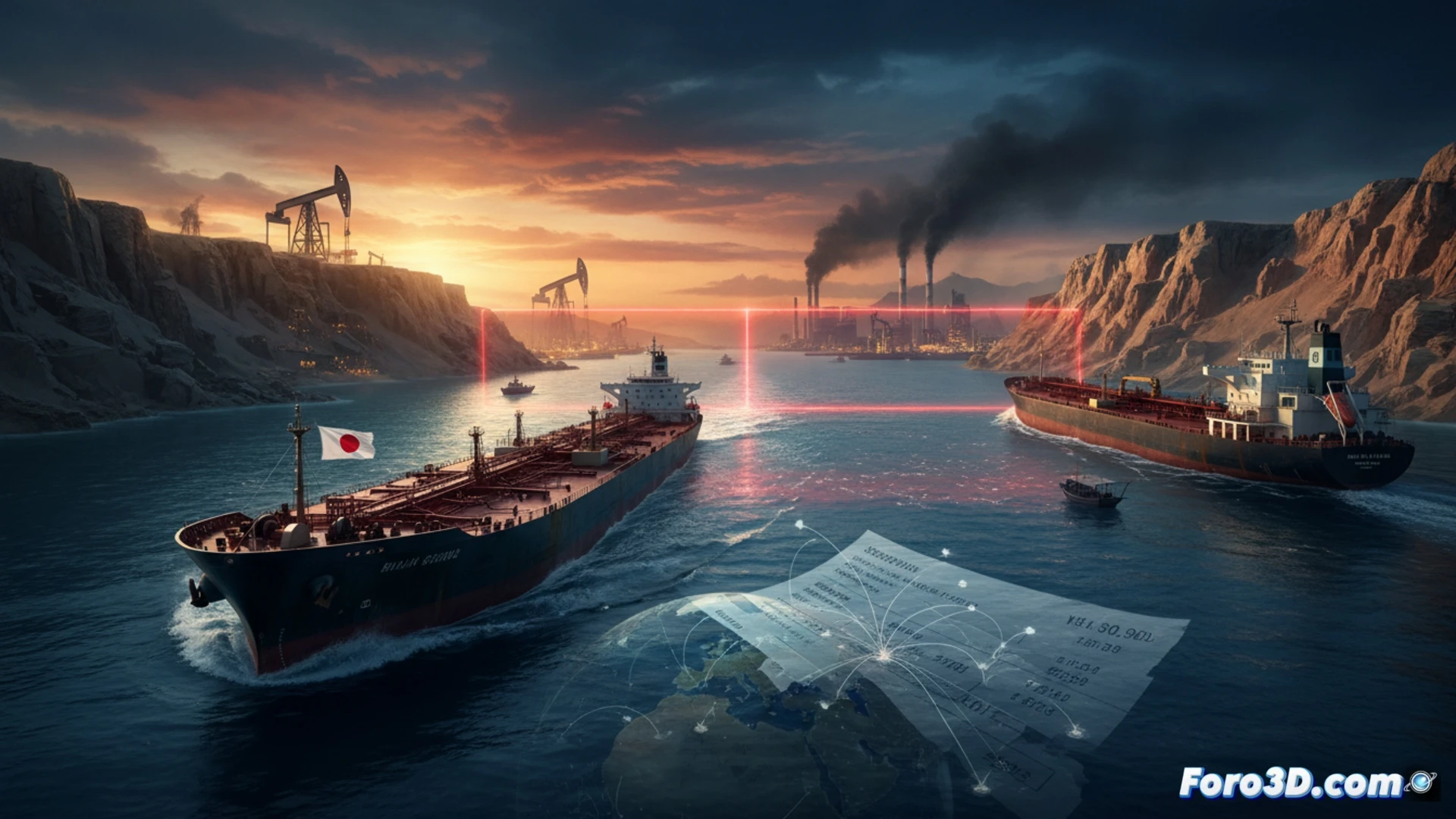
The Strait of Hormuz, a critical point for global oil transit, has become a key piece in Iran's pressure strategy. Each threat of a blockade drives up logistics costs and the price of crude oil, generating uncertainty that hits energy-dependent sectors and maritime trade hard. Japanese companies, highly exposed to these routes, are already beginning to feel the weight of a bill that promises to be historic.
Naval Technology: Navigation Systems Under Constant Threat 🛰️
The reliance on commercial GPS systems in the Persian Gulf makes them vulnerable targets for electronic warfare tactics. Meanwhile, the development of alternative routes, such as the Red Sea maritime corridor or the use of naval escorts, fails to offset the increase in insurance premiums and transit times. Shipping companies are evaluating inertial navigation systems and encrypted satellite communications, but their widespread implementation is slow and costly for commercial fleets.
Meanwhile, in the Tokyo Boardroom 💼
Japanese executives have added a new section to their quarterly reports: Hormuz Factor. It is no longer enough to calculate the price per barrel; now you have to add the cost of praying that tankers reach port. While diplomats exchange notes, accountants sharpen their pencils to calculate losses. The solution seems as clear as desert water: everyone expects the other to pay the first round of the bill.