Stoicism is experiencing its moment of glory on the internet. Books, courses, and videos promise happiness and emotional control for a modest price. But this digital version has little to do with the original philosophy. It has become a self-help product that often manipulates and simplifies complex concepts to sell. However, there are examples of its real and profound application, such as that of pilot James Stockdale in captivity.
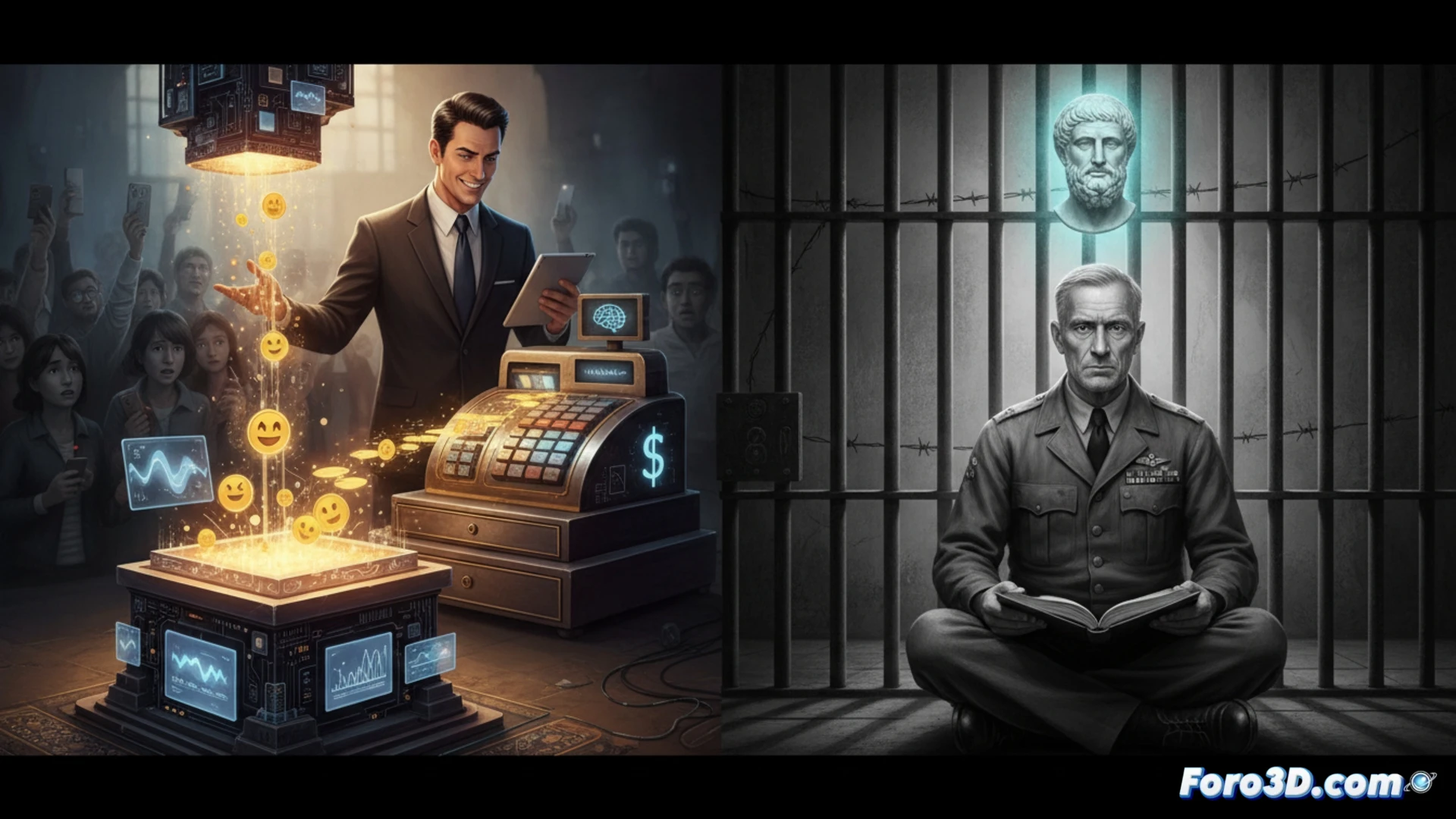
The algorithmic distortion of stoic philosophy 🧠
The problem is not just marketing, but format. The algorithms of platforms like YouTube or Instagram reward catchy headlines and quick solutions. A 60-second video cannot explain Epictetus's dichotomy of control without simplifying it beyond recognition. The result is a layer of stoic varnish over ideas of productivity and personal development. The algorithm prioritizes engagement over accuracy, transforming reflection into fast consumption.
Be an armchair stoic: pay for the course and accept your card 💳
The paradox is amusing. To be a true modern stoic, you need the premium subscription, the vegan leather planner, and the weekend retreat. Marcus Aurelius wrote his meditations in tents, without WiFi or an exclusive membership. Now, to accept what you cannot control, you must first ensure your shopping cart does not exceed the spending limit. Real stoicism was free; Instagram's has shipping costs.