The Indus Valley Civilization, flourishing between 2600 and 1900 BCE in what is now Pakistan and northwestern India, left behind planned cities like Mohenjo-Daro and Harappa. However, its most puzzling legacy is the seals with pictograms that still resist any attempt at translation. Without a local Rosetta Stone, their social and political structure remains a mystery.
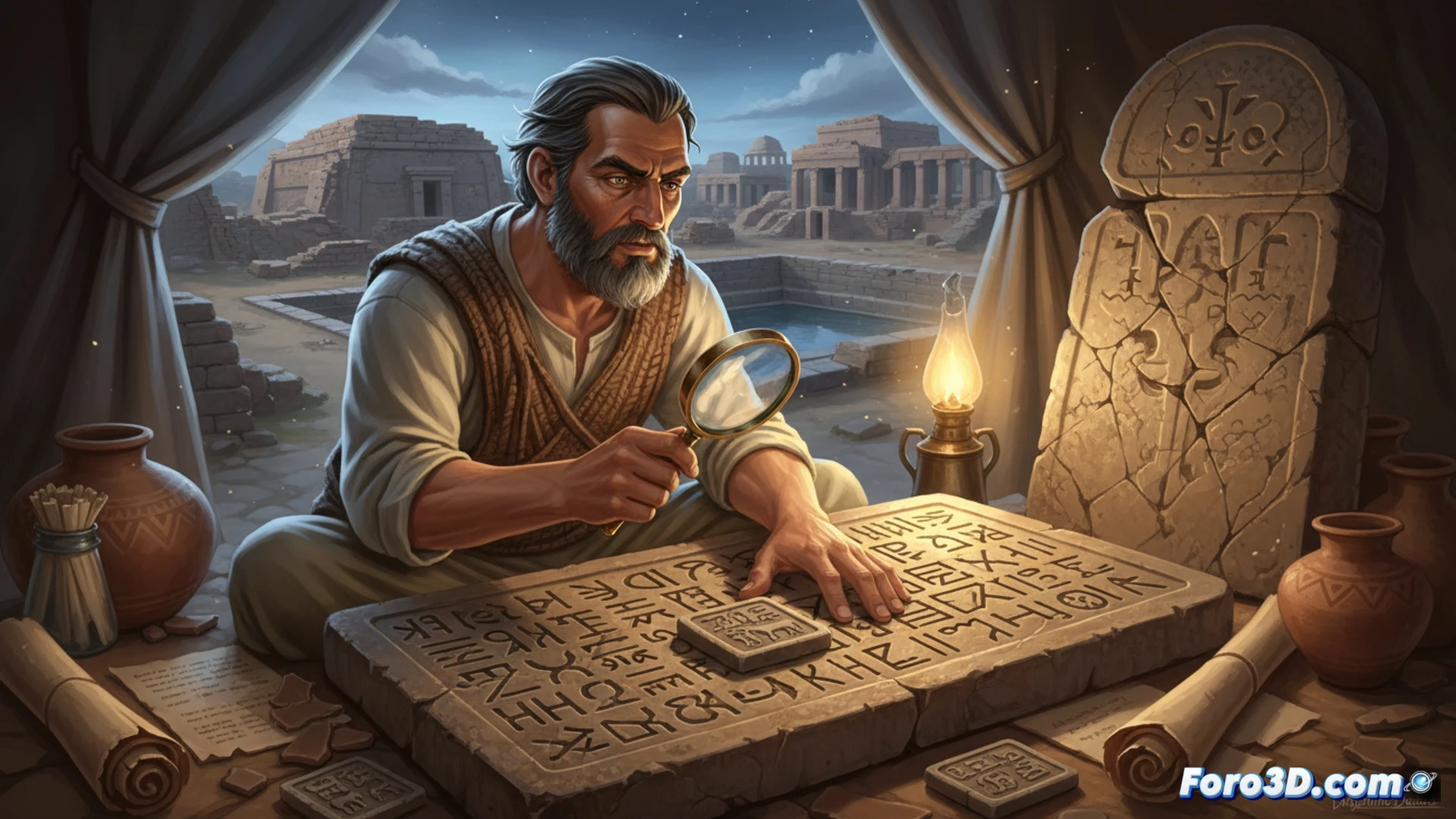
Lost technology: seals, algorithms, and big data 🧩
Archaeologists today apply digital tools to analyze the 4,000 seals discovered. Pattern recognition programs compare sequences of signs, while artificial intelligence seeks correlations with Dravidian or Sumerian languages. The main obstacle: the brevity of the inscriptions, averaging just five symbols. Without bilingual or lengthy texts, the algorithm hits a wall of silence.
The translator that never arrived (and it's been 4,000 years) 🤔
Meanwhile, on internet forums, enthusiasts propose theories as creative as they are improbable: from the pictograms being an ancient yoga manual to a 4,500-year-old shopping list. The truth is that even with all the world's computing power, we have not managed to decipher whether a fish followed by a tree means river or I have a headache.