Explaining why your client needs a next-generation firewall or an EDR is often an uphill battle. The problem isn't the technology, but the communication. MSPs clash with the perception that security is an expense, not an investment. If the client doesn't see the risk, they won't pay for protection. The key lies in translating abstract threats into concrete costs.
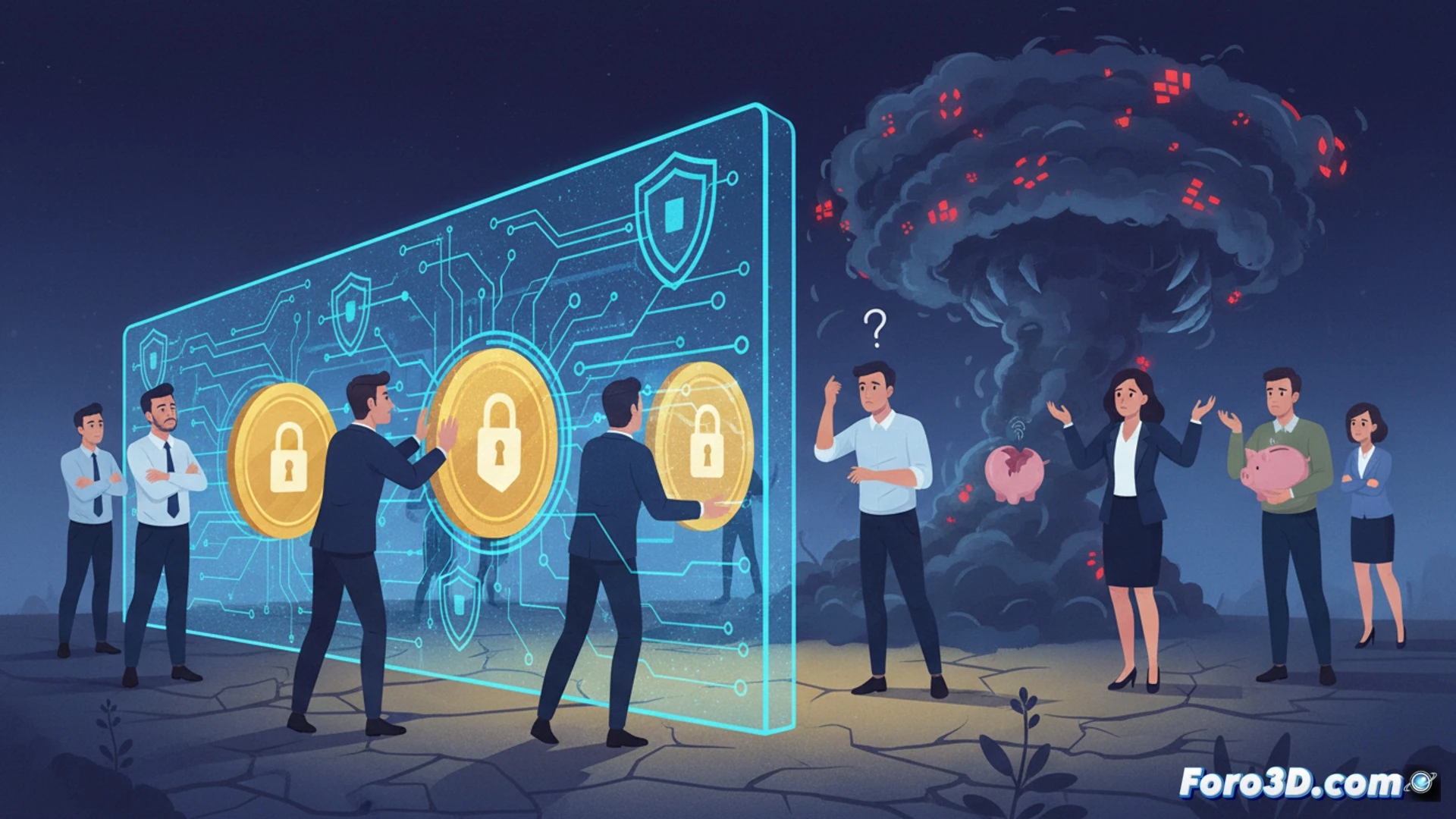
Translate vulnerabilities into euros and hours of downtime 💰
Stop talking about attack vectors and start talking about lost billing. When ransomware locks down servers, the business stops. Calculate the cost per hour of downtime and present it as hard data. Use metrics like Mean Time to Detect (MTTD) and Mean Time to Respond (MTTR) to show savings. A 24/7 SOC is not a luxury; it's an insurance policy against the financial disaster your client doesn't yet know they will have.
The client who thinks free Windows antivirus is enough 😅
We all have that client who thinks their business is too small to be hacked. Then, after a phishing attack, they wonder why no one warned them. The irony is that it's often the same one who rejects an offsite backup because it's expensive, but then pays the ransom in Bitcoin with a forced smile. In the end, the MSP doesn't sell security; they sell the peace of mind of not having to explain why they didn't hire it.