The figure of the SEM Specialist has become a pillar of digital marketing, but their daily routine hides a silent reality: the constant pressure for return on advertising investment. Managing budgets that burn through in hours, optimizing bids in real time, and justifying every click creates a cocktail of chronic stress, anxiety, and eye strain that is often neither regulated nor visible in digital work environments.
Psychosocial and technical risks in SEM operations 🧠
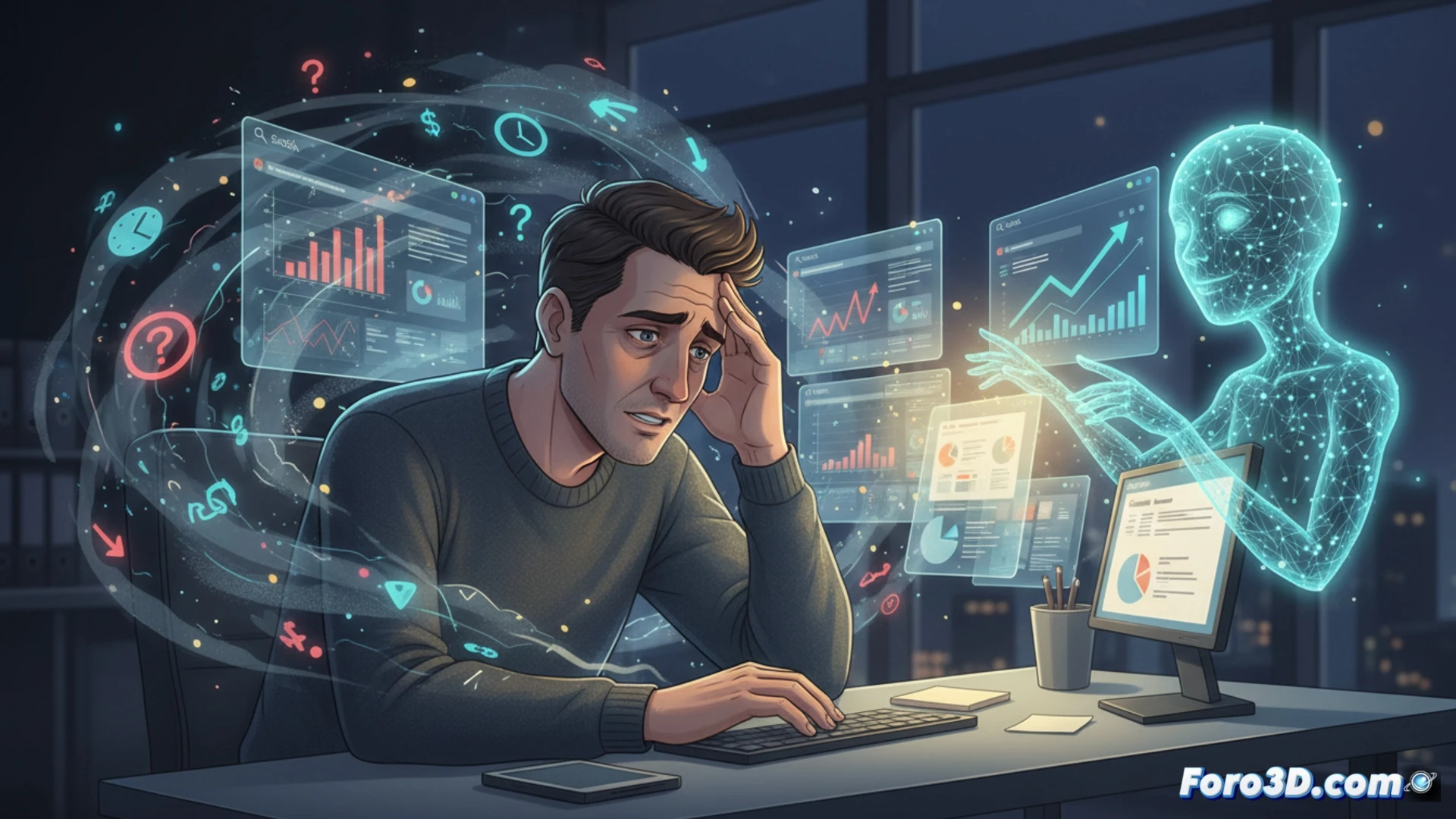
The SEM specialist profile shares risks with SEO, but with an additional layer of financial urgency. Managing paid campaigns involves mental overexertion due to the volatility of auctions and the immediacy of results. Added to this are musculoskeletal disorders from poor posture in front of multiple screens, a sedentary lifestyle, and eye strain from monitoring dashboards for hours. The lack of breaks and the pressure to meet KPIs turn the workday into a constant state of alert, where anxiety becomes normalized as part of performance.
Ethical automation: AI as a limit and ally 🤖
Artificial intelligence can be the tool that breaks this cycle. Instead of only optimizing bids, AI systems can monitor the specialist's mental load, automating repetitive tasks such as report creation or budget adjustments during low-demand hours. But the real challenge is ethical: establishing algorithmic limits that prevent working outside of business hours or that alert about stress spikes. Technology should not be another whip, but a firewall against the culture of digital burnout.
Can artificial intelligence alleviate the stress and fatigue of the SEM specialist, or, on the contrary, does it risk intensifying anxiety by demanding constant supervision and new technical skills?
(PS: trying to ban a nickname on the internet is like trying to cover the sun with a finger... but in digital)